How to Descale an Electric Kettle: Remove Limescale (2026)
Chalky white buildup on the heating element slows boiling and can leave a gritty taste in your tea or pour-over. Here’s how to clear it out safely, without ruining the kettle.

How We Researched
Steps drawn from America’s Test Kitchen and Bob Vila, cross-checked against our own electric kettle and coffee maker reviews. No manufacturer paid for placement.
* As an Amazon Associate I earn from qualifying purchases. Disclosure
What You’ll Learn
- How to spot limescale and how often to descale
- Citric acid vs. vinegar, and which one to actually use
- The correct boil-and-soak descaling cycle
- How to rinse out every trace of the descaling solution
- Cleaning the exterior, spout, and any built-in filter safely
3 water-heating appliances referenced in this guide
How do you descale an electric kettle? Five steps: confirm it actually needs descaling, pick the right acid, run a proper boil-and-soak cycle, rinse thoroughly, and clean the parts a descaling cycle never touches.
Check for Buildup and Set a Schedule
Limescale is calcium carbonate left behind as hard water evaporates during boiling — it shows up as a chalky white or gray crust on the heating element and the bottom of the kettle. It isn’t harmful to drink, but a heavy layer insulates the element, so the kettle takes longer to boil and can start tasting faintly metallic or gritty. America’s Test Kitchen recommends descaling on a fixed schedule rather than waiting for visible buildup — every one to two months for most households, sooner if you’re on hard well water.
Choose Your Descaling Solution
Citric acid is the better choice, not vinegar. Despite vinegar’s popularity online, America’s Test Kitchen’s testing found it’s corrosive to a kettle’s interior over repeated use and doesn’t fully clear limescale the way a citric-acid-based descaler does. A dedicated descaling powder (such as Dezcal) dosed at roughly 1 oz per 32 oz of kettle capacity is the tested recommendation; plain citric acid crystals work the same way at about 1–2 tablespoons per liter (4 cups) of water.
Run the Descaling Cycle
Unplug the kettle’s base and let it cool completely before you start — descaling solution should never touch the electrical base itself.
- Fill the kettle with water to the max line and boil it as normal
- Add your citric acid or descaling powder directly to the still-hot water
- Let the solution sit for 5–20 minutes (5 minutes for a concentrated descaling powder like Dezcal, up to 20 minutes for diluted citric acid crystals)
- Pour the solution out and check the element — if buildup remains, repeat once
Rinse the Kettle Thoroughly
Boil one to two full kettles of plain water and pour each one out before making anything you’ll actually drink. This clears any residual acid taste and confirms none of the descaling solution is left on the element. Skipping this step is the most common mistake — a kettle that still smells faintly of vinegar or citric acid after one rinse needs a second round, not a shrug.
Clean the Exterior, Spout, and Any Filter
Descaling only clears the interior — the base, spout, and filter need separate attention. Per Bob Vila, never immerse the kettle or its base in water. Wipe the exterior and base with a soft, damp sponge and a little dish soap; avoid wire brushes or scouring pads, which scratch stainless steel and discolor plastic finishes. Limescale often collects around the spout too, so give it the same soft-sponge treatment. If your kettle has a removable mesh filter (most gooseneck and pour-over-style kettles do), pop it out per the manufacturer’s instructions and rinse it separately under hot water — it traps scale flakes that would otherwise end up in your cup.
The Right Gear Makes It Easier
A kettle or coffee maker that fights you on descaling defeats the purpose — these make the routine simpler.
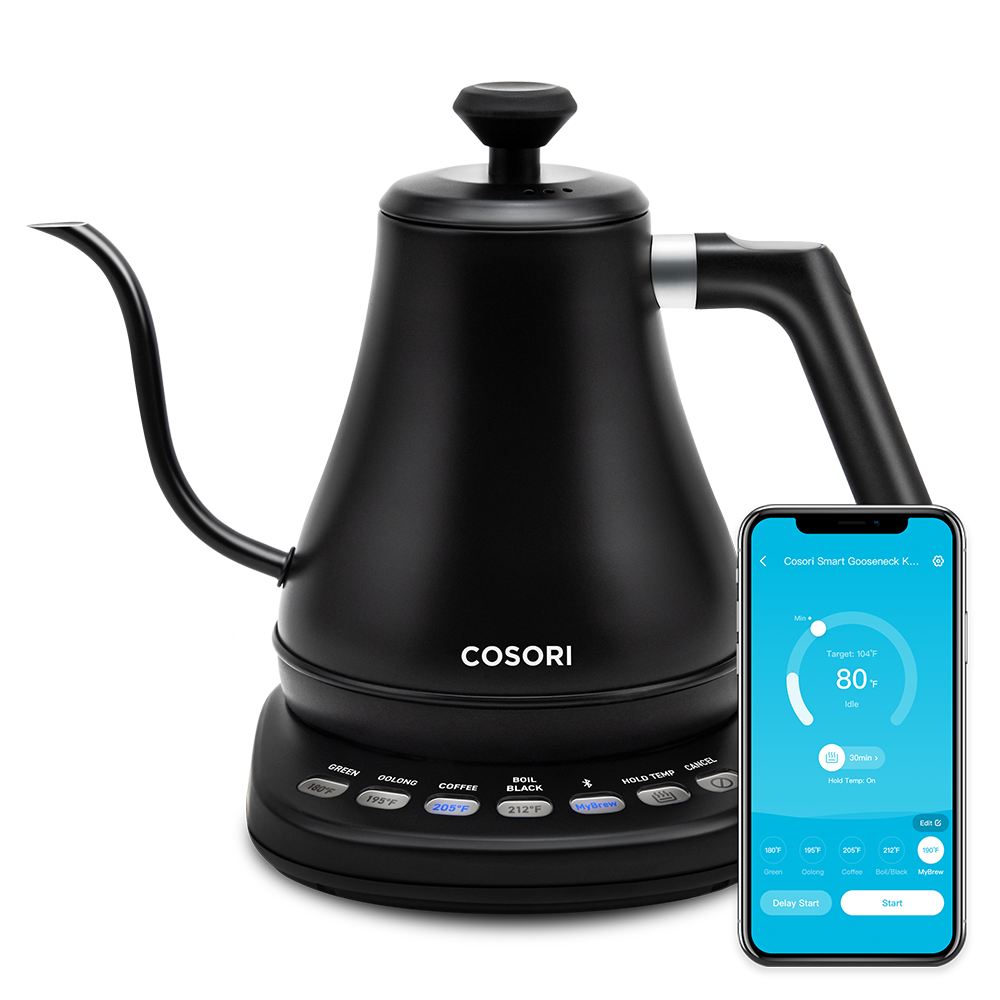
COSORI Smart Gooseneck KettleCOSORI Smart Gooseneck Kettle — a wide-enough opening and a 304 stainless interior with no plastic touching the water make it easy to wipe down or descale with a quick vinegar or citric-acid rinse.
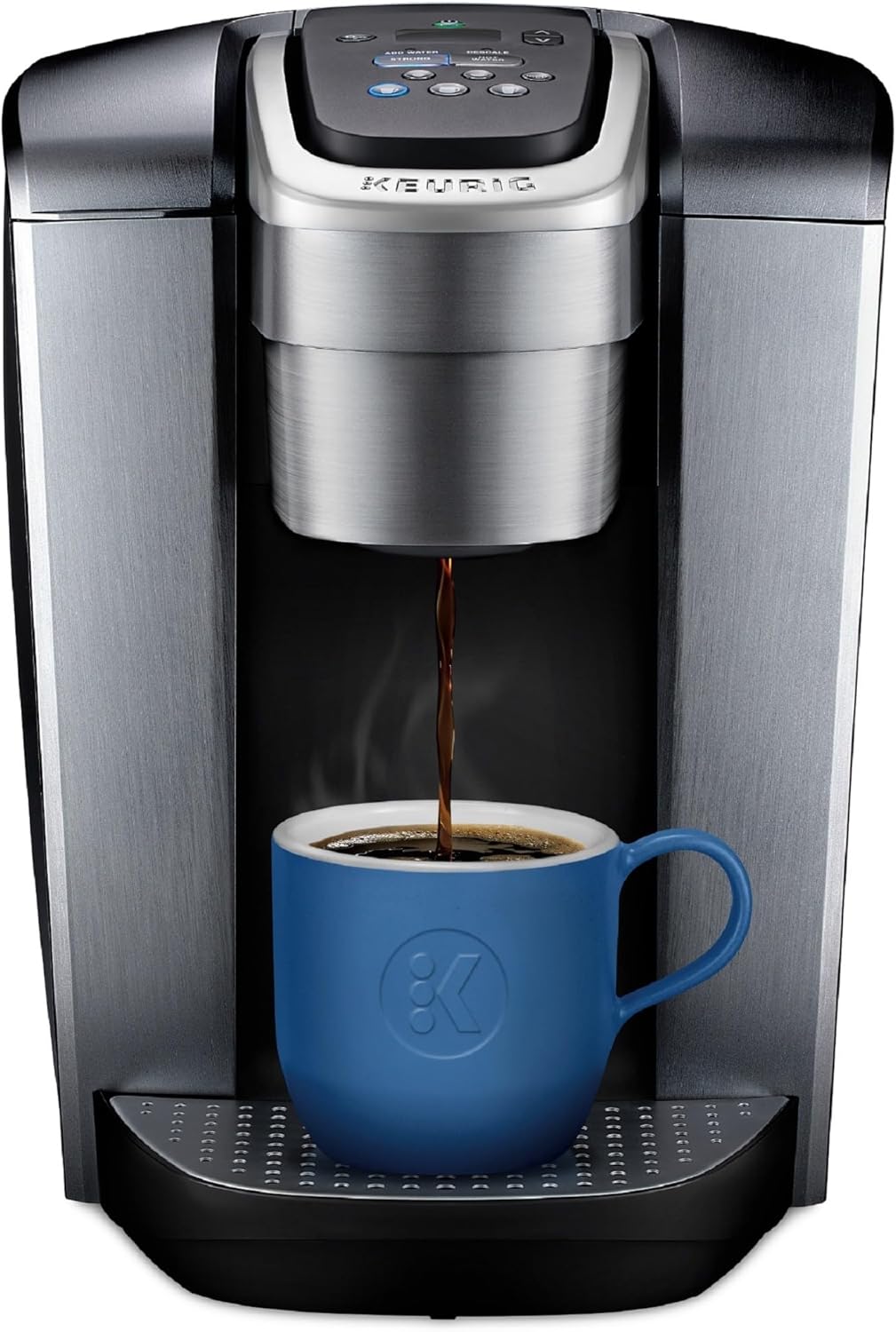
Keurig K-EliteKeurig K-Elite — a built-in descale reminder light takes the guesswork out of scheduling, and the reservoir accepts Keurig’s own charcoal filter kit between full descaling cycles.
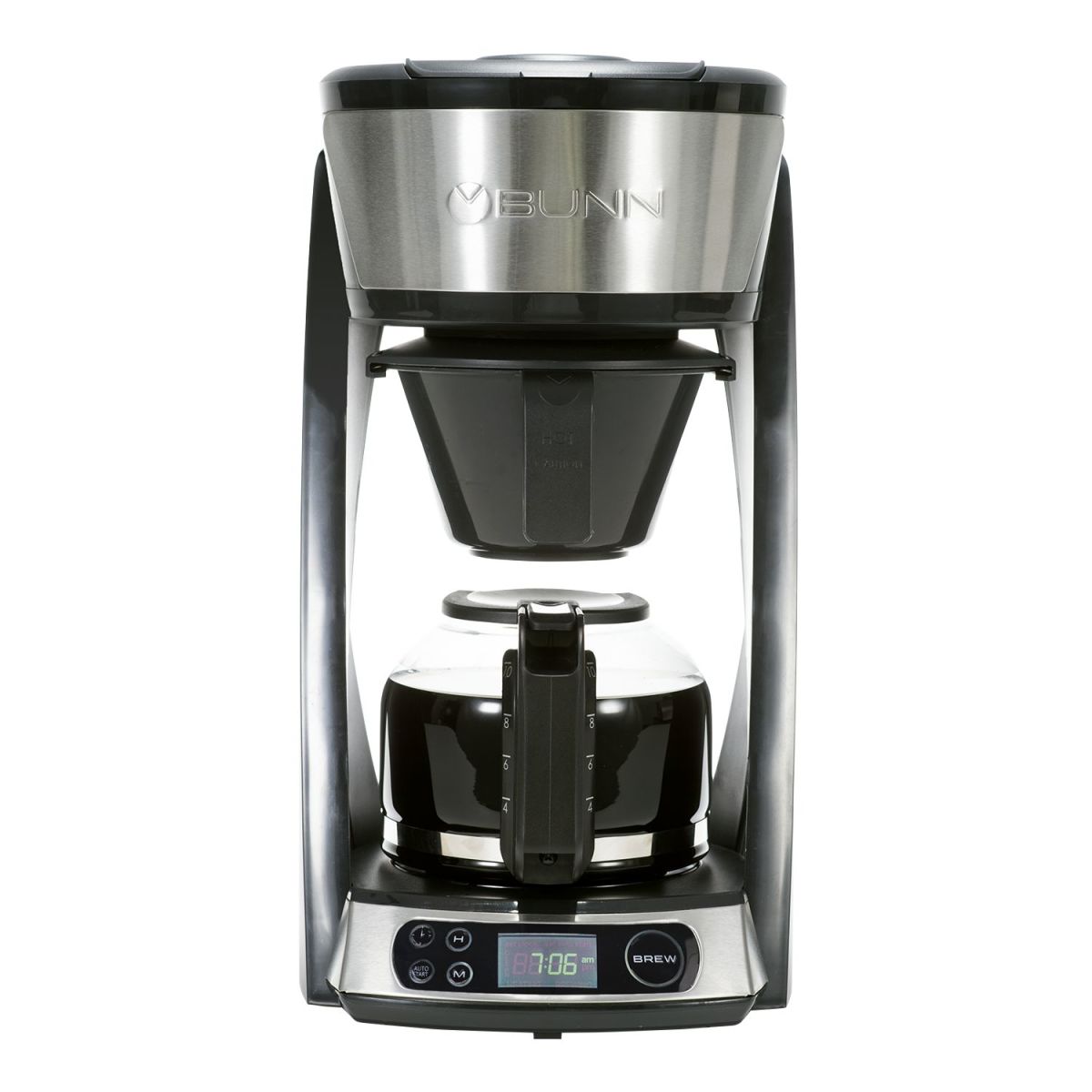
BUNN HB Heat N Brew Coffee MakerBUNN HB Heat N Brew Coffee Maker — its internal hot-water tank and lime-tolerant sprayhead are built to shrug off hard-water minerals longer between descaling cycles than a typical drip machine.
Shopping for a new coffee maker instead of maintaining an old one? See our Best Espresso and Coffee Machines Guide →See our Best Espresso and Coffee Machines Guide →