How to Use an LED Light Therapy Device Safely (2026)
Skipping eye protection or overusing your device won’t just waste the money you spent on it — it can irritate skin and delay the results you’re after.

How We Researched
Steps drawn from the American Academy of Dermatology and Cleveland Clinic, cross-checked against our own at-home LED device reviews. No manufacturer paid for placement.
* As an Amazon Associate I earn from qualifying purchases. Disclosure
What You’ll Learn
- Who should check with a dermatologist first
- Prepping your skin before each session
- Why eye protection isn’t optional
- Picking the right light color and session length
- How often to use it for real results
- Warning signs that mean you should stop
3 LED devices referenced in this guide
Wondering how to use an LED light therapy device safely without irritating your skin or wasting the money you spent on it? Getting real benefit from red, blue, or infrared light comes down to a handful of habits most people skip the first time they unbox one.
Check Whether You’re a Safe Candidate First
Before your first session, confirm the device is labeled FDA-cleared — that’s the baseline signal a regulator considers it low-risk for home use. Per the American Academy of Dermatology (AAD), LED therapy isn’t a good fit for everyone: skip it if you have a light-sensitive condition like lupus, take photosensitizing medications (certain antibiotics such as tetracyclines, or isotretinoin), or have a personal history of skin cancer. If any of that applies to you, or you’re simply unsure, ask a dermatologist before starting rather than guessing.
Cleanse Your Skin and Skip Other Products
Wash your face and pat it dry before every session. According to a dermatology-led guide to safe at-home LED and microcurrent use, applying serums, moisturizer, or makeup first creates a barrier that blocks light from actually reaching skin — the opposite of what you want from a 10-plus-minute session. Save your regular skincare routine for after the device, not before it.
Protect Your Eyes Before Powering On
LED panels are bright enough to strain your eyes even though the light itself isn’t UV. Follow whatever eye protection your specific device calls for — that’s usually one of these, per Cleveland Clinic:
- Wear the manufacturer’s included goggles or eye shields every time — don’t substitute regular sunglasses
- If your device has no shields (some wands and masks rely on this instead), keep your eyes fully closed for the entire session
- Never look directly into an active LED panel or mask, shields or not
Choose the Right Light Color and Session Length
Red and infrared wavelengths are the ones aimed at fine lines, firmness, and overall tone; blue wavelengths target acne-causing bacteria instead — pick the mode that matches what you’re actually trying to fix, not just whichever one runs longest. On session length, start conservative: per iRestore’s usage guidance, begin with your device’s shortest built-in cycle to see how your skin tolerates it before working up to a full session, and stick to whatever timer or shut-off the device already has rather than running it longer for a “stronger” effect.
Stick to a Consistent Weekly Schedule
Most devices are built around 3 to 5 sessions a week, and Solawave’s own usage guidance is blunt about the tradeoff: consistency drives results, not intensity, and using a device more often than recommended can leave skin tight or overly dry instead of accelerating anything. Expect a subtle glow and calmer redness within the first 1–2 weeks, visible texture and tone improvement around weeks 3–4, and firmer skin or reduced fine lines closer to the 6–12 week mark with consistent use.
Watch for Warning Signs and Know When to Stop
Mild warmth during a session is normal; ongoing redness, stinging, or irritation after several sessions is not — stop and give your skin a break if that happens. The AAD notes that LED therapy appears safe for short-term use, but there’s less data on long-term use, so treat “more sessions forever” as an assumption worth revisiting with a dermatologist rather than a given, especially if you’re combining it with other active skincare treatments.
The Right Gear Makes It Easier
A device that fits your actual goal — and that you’ll realistically use 3–5 times a week — matters more than raw LED count.
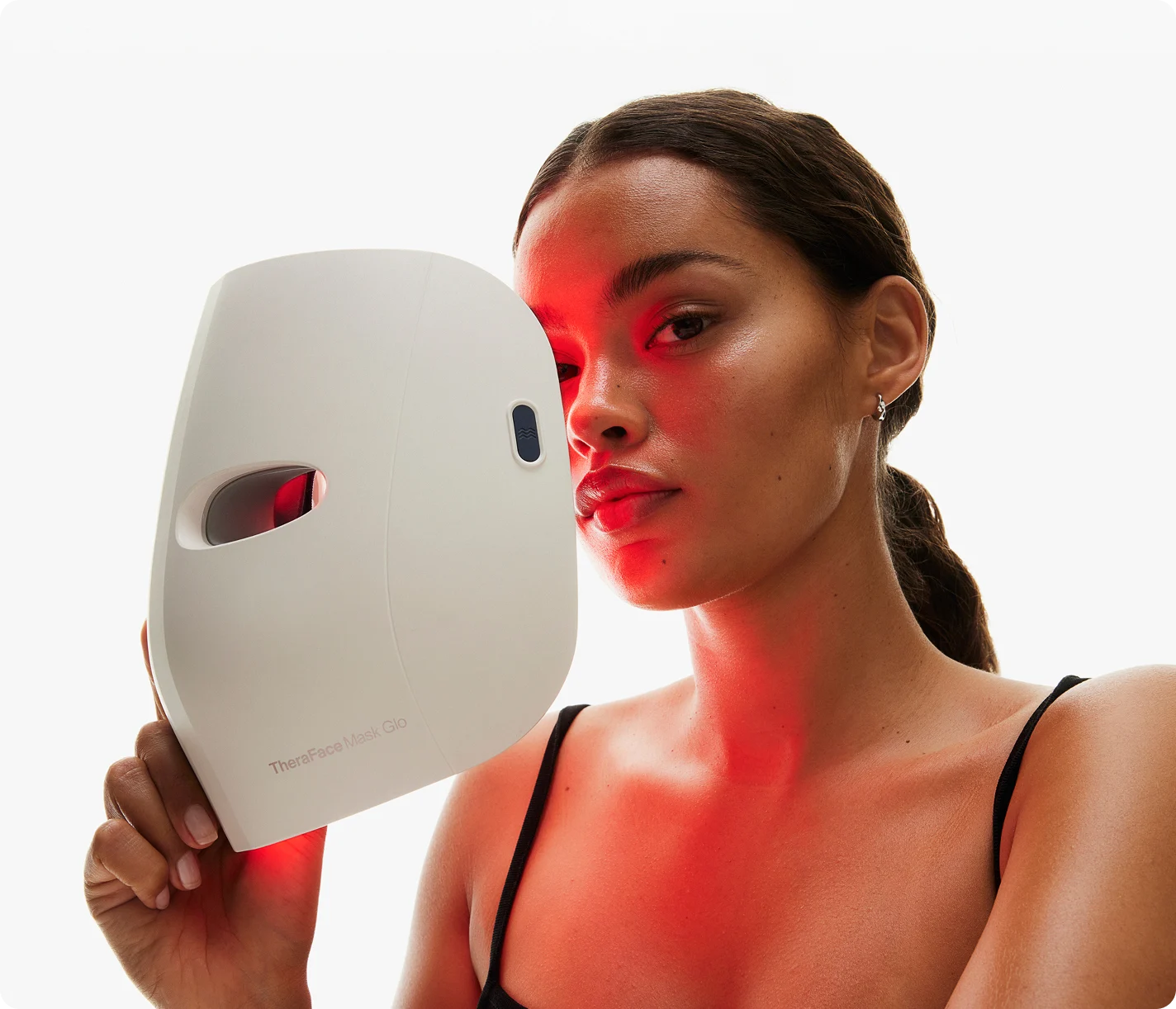
Therabody TheraFace Mask GloTherabody TheraFace Mask Glo — a hands-free, cordless mask with medical-grade eye shields built in, so the eye-protection step above is already handled for you.
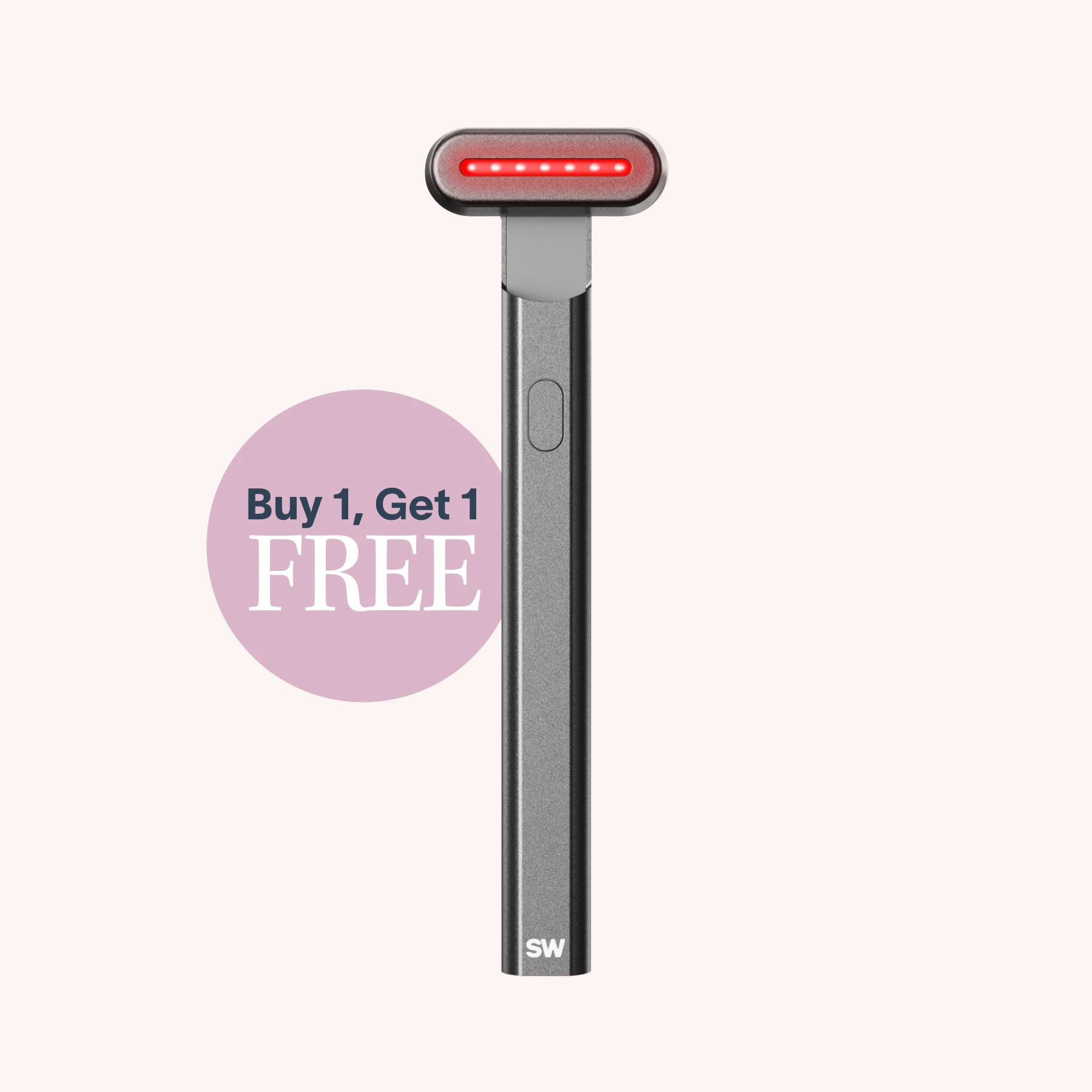
Solawave 4-in-1 Radiant Renewal WandSolawave 4-in-1 Radiant Renewal Wand — a lower-cost handheld option for anyone testing whether a consistent LED routine is worth sticking with before spending more.
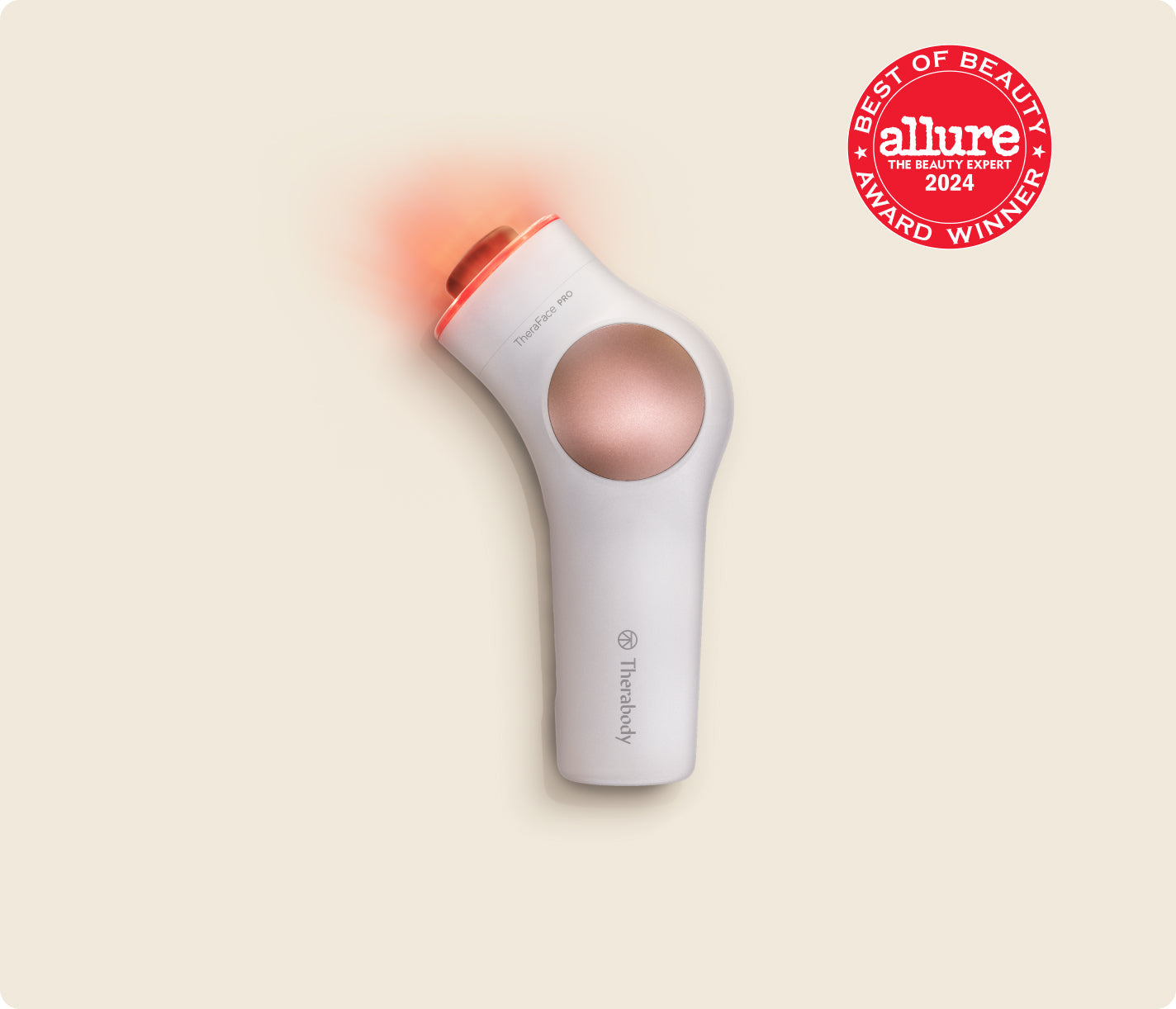
Therabody TheraFace ProTherabody TheraFace Pro — worth it if you want LED light therapy folded into a broader routine alongside microcurrent toning and percussive massage.
Want a closer look at how these compare side by side? See our Best At-Home Facial Toning Devices guide →See our Best At-Home Facial Toning Devices guide →