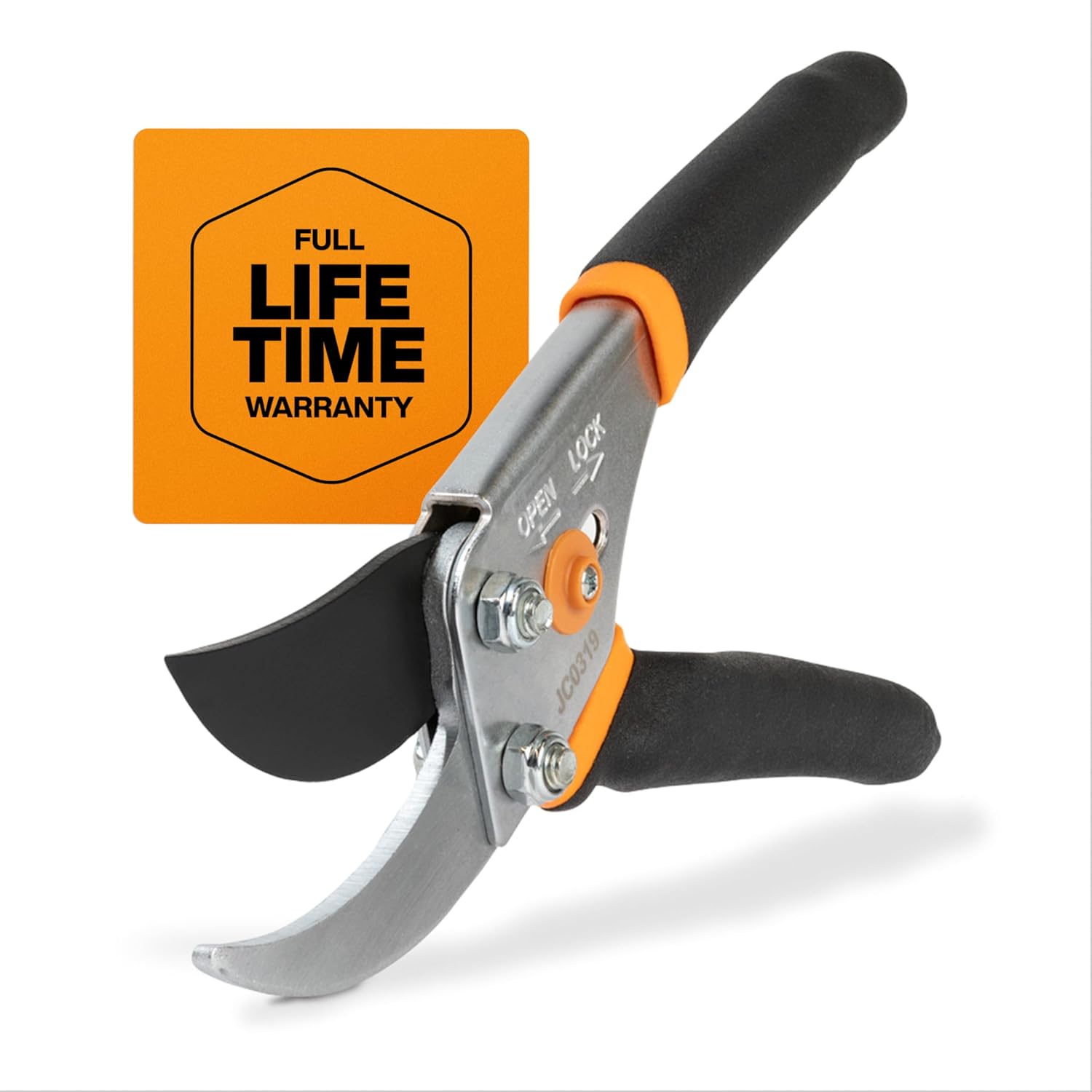
Fiskars Bypass Pruning Shears Review: Perfect for Spring Trimming (2026)
Overview
Tangled vines and overgrown rose bushes often signal the arrival of spring, bringing with them the inevitable need for precise garden maintenance. A gardener standing in a sun-drenched yard, facing a thicket of unruly stems, requires a tool that provides confidence with every snip. This particular tool occupies a mid-range position in the garden tool market, specifically targeting those who perform routine seasonal upkeep rather than heavy-duty forestry work. It is designed for the enthusiast who prioritizes a clean cut over raw, industrial power.
Finding a reliable instrument for trimming small to medium branches can be a frustrating endeavor when tools are either too flimsy for the task or too cumbersome for delicate work. This bypass pruner aims to bridge that gap by offering a balance of durability and ease of use. It is intended for those who need to navigate through dense garden beds without the hand fatigue that often accompanies cheaper, poorly designed alternatives. For the person managing a backyard orchard or a well-manicured flower garden, the tool provides a specialized solution for tasks that fall just below the threshold of heavy-duty lopping.
Reliability in the garden depends heavily on the quality of the hardware being used during the most critical maintenance windows. This tool is positioned as a dependable companion for spring and summer tasks. While it is not built for the massive branches found in woodland clearing, it excels in the controlled environment of a residential garden. The focus remains on precision and the ability to handle the standard stems encountered during routine yard work.
Key Specifications
Measuring a maximum diameter of 5/8 inch, this bypass pruner is specialized for thin to medium-width stems. The structural integrity of the tool relies on a drop-edged steel construction, which provides the necessary strength for its intended use. The tool operates as a bypass-style instrument, meaning the blades pass each other like scissors to ensure a clean, non-crushing cut.
Design & Build Quality
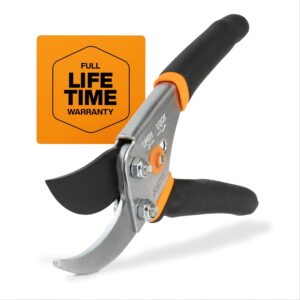
Polished metal and ergonomic contours define the immediate tactile impression of this tool. The construction centers on a drop-forged steel component that gives the blades a robust, heavy-duty feel in the hand. This material choice suggests a level of durability intended to withstand the repetitive stress of garden maintenance. The handles are shaped to fit the natural grip of a human hand, reducing the pressure points that often lead to blisters during long sessions of pruning. This ergonomic focus is essential for anyone performing repetitive motions across a large garden plot.
Visual inspection reveals a high-quality finish that extends to the surface of the metal. The handles are designed to remain comfortable even when the user is working in damp or humid conditions. Compared to budget alternatives in a similar price range, the build quality here feels significantly more substantial. The weight distribution is balanced, allowing the tool to feel like an extension of the hand rather than a heavy, clunky weight. Every part of the assembly feels intentional, from the way the blades meet to the texture of the grip.
Durability is not just about the steel itself but also how the tool handles the elements. The construction is intended to resist the common wear and tear associated with outdoor use. While some cheaper tools might feel hollow or flimsy, this instrument possesses a solid, dense quality. The design avoids unnecessary complexities that could lead to mechanical failure, focusing instead on a streamlined, high-strength architecture that can endure the rigors of a typical gardening season.
Key Features
Efficiency in the garden is driven by the specialized treatment applied to the metal surfaces. A low-friction coating is integrated into the design, which serves a critical role in preventing the buildup of organic matter. This feature ensures that the tool remains functional even when working with particularly resinous or sticky plants. Without this layer, the accumulation of sap can quickly gum up the mechanism, making the tool difficult to operate and much harder to clean.
Adjustability is another core component of the tool’s functionality. A built-in tension mechanism allows the user to modify the tightness of the blade movement. This allows for customization based on the thickness of the material being cut, ensuring that the user can maintain control whether they are working on a delicate bud or a thicker stem. Such a feature is vital for maintaining the precision required in delicate horticultural tasks.
The structural foundation is built upon drop-forged steel, which provides a level of resilience against bending or warping under pressure. This material choice is paired with a blade edge that is engineered to remain effective through numerous cutting cycles. The combination of a strong frame and a high-quality cutting surface makes the tool suitable for the repetitive nature of garden upkeep. The focus is on providing a tool that stays functional through the entire growing season without requiring constant recalibration.
Performance
Clean, effortless snips are the primary result when using this pruner on healthy garden growth. When the blades meet, they slice through stems without the crushing sensation often associated with inferior bypass tools. This precision is particularly important for plant health, as crushed stems can become entry points for disease and pests. The tool performs most effectively when the user is managing branches that fall within its intended diameter range.
Smooth operation is maintained even during heavy use in various garden conditions. The way the tool moves through the material is consistent, providing a predictable experience for the gardener. The tool remains easy to maneuver through dense foliage. The absence of resistance during the cutting motion allows for a much more rhythmic and less exhausting pruning session. This is especially noticeable when working through a large number of stems in a single afternoon.
Residue management is handled effectively by the specialized surface treatment. During testing, the accumulation of plant matter was significantly less than what is typically seen with standard garden shears. This lack of buildup means the tool does not become sluggish or difficult to open halfway through a task. The blades remain clear of sticky substances, which preserves the integrity of the cutting action. This performance characteristic is a significant advantage during the spring maintenance period when sap flow is often at its peak.
Consistency in cutting strength is a notable aspect of the performance. Whether the user is tackling a small twig or a larger, more substantial branch, the tool maintains its structural stability. There is no noticeable deflection or loss of precision as the user progresses through more challenging parts of the garden. This reliability allows for a seamless transition between different types of pruning tasks within a single session. The tool acts as a dependable instrument for the standard requirements of a residential landscape.
Pros & Cons
Pros
- Super sharp blades that provide clean, non-crushing cuts through stems.
- Comfortable handles designed to reduce hand fatigue during extended use.
- Low-friction coating that prevents the accumulation of sticky plant sap.
- Drop-forged steel construction for enhanced durability and strength.
- Adjustable blade tension to customize the tightness for different cutting needs.
Cons
- Limited capacity makes it unsuitable for thick, woody branches.
- Price trade-off may be higher than the simplest disposable garden snips.
If the Fiskars Bypass Pruning doesn’t quite fit your needs, here are the closest alternatives worth considering. The main trade-off between these products is often price versus additional features or capacity.
How Does It Stack Up Against the Competition?
| Feature | Fiskars Bypass Pruning Shears ⭐ | Felco F-2 Pruning Shears | Gardena Comfort Action Bypass Pruners |
|---|---|---|---|
| Price USD | $13.97 – $21 | $25 – $30 | $24 – $28 |
| Price CAD | $22.00 – $29.99 | $35 approx. | $36 approx. |
| Cut Capacity | 5/8″ diameter ⭐ | 5/8″ diameter | 5/8″ diameter |
| Our Rating | 4/5 ⭐ | 3.8/5 | 3.7/5 |
| Best For | General gardening use ⭐ | Advanced gardeners | Comfortable grip, all-day use |
Prices approximate as of April 23, 2026. Always verify current pricing. Competitor specs based on manufacturer data and reviewer research.
Verdict
Home gardeners looking for a reliable, mid-range solution for seasonal maintenance will find this tool to be an excellent investment. It is specifically engineered for those who need to manage routine pruning of small to medium branches with precision and minimal effort. The combination of high-quality steel and ergonomic design makes it a standout choice for anyone managing a flower garden, rose bed, or small orchard. It provides the necessary durability for regular use without the unnecessary weight of industrial-grade equipment.
Users who require heavy-duty tools for thick, woody branches or large-scale landscaping should avoid this product. Its 5/8 inch capacity is a clear limitation that prevents it from being used as a primary tool for significant tree work or thick shrub removal. For those tasks, a larger lopper or a more robust, industrial-grade cutter would be required.
When evaluating the price-value proposition, the tool justifies its cost through its specialized features. The presence of a sap-resistant coating and adjustable tension provides a level of utility that is often missing from much cheaper, generic alternatives. For the price of a few standard garden tools, you are acquiring a specialized instrument that is built to last through multiple growing seasons. It is a thoughtful, well-engineered addition to any gardener’s toolkit, offering a level of comfort and cleanliness that significantly improves the overall pruning experience.
Check Current Price on Amazon
As an Amazon Associate we earn from qualifying purchases. Price may vary.