How to Choose an Ice Cream Maker in 2026: What Actually Matters
Three completely different machines all call themselves “ice cream makers” — here’s how to tell which method actually fits how you’ll use it.

How We Researched
3 ice cream makers compared across the two methods that dominate the home market — frozen-bowl and built-in compressor — plus a freeze-then-shave pint machine, using published specs, manufacturer data, and aggregated owner feedback. No paid placement — badges and scores reflect editorial judgment only.
* As an Amazon Associate I earn from qualifying purchases. Disclosure
What You’ll Learn
- Why “ice cream maker” covers three unrelated mechanisms
- How much planning-ahead time each method actually requires
- What batch size and serving count each format is built for
- Where the price jumps come from, and whether they’re worth it
- Noise and counter-space trade-offs nobody mentions in the spec sheet
3 products in this guide
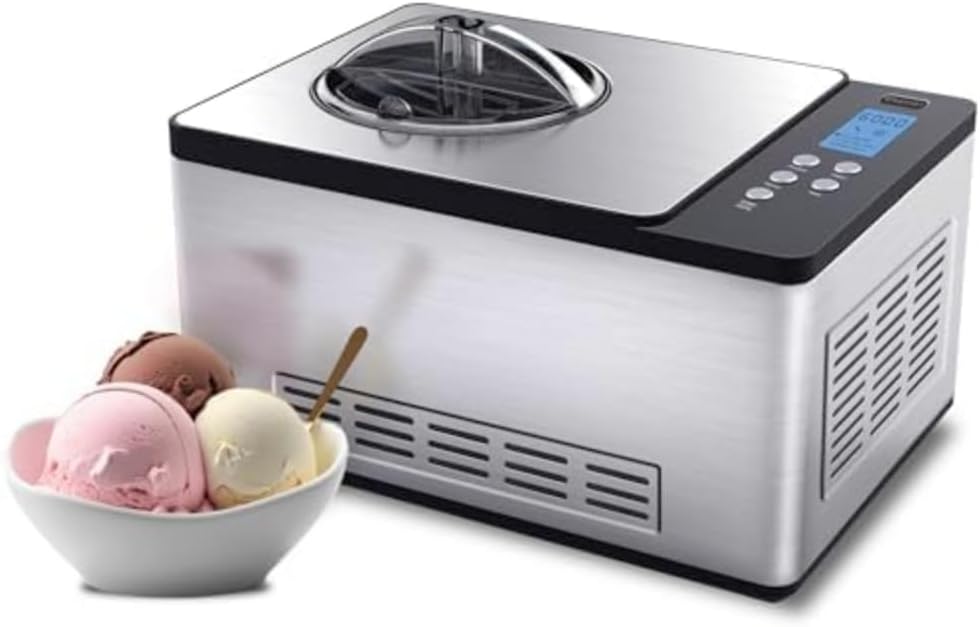
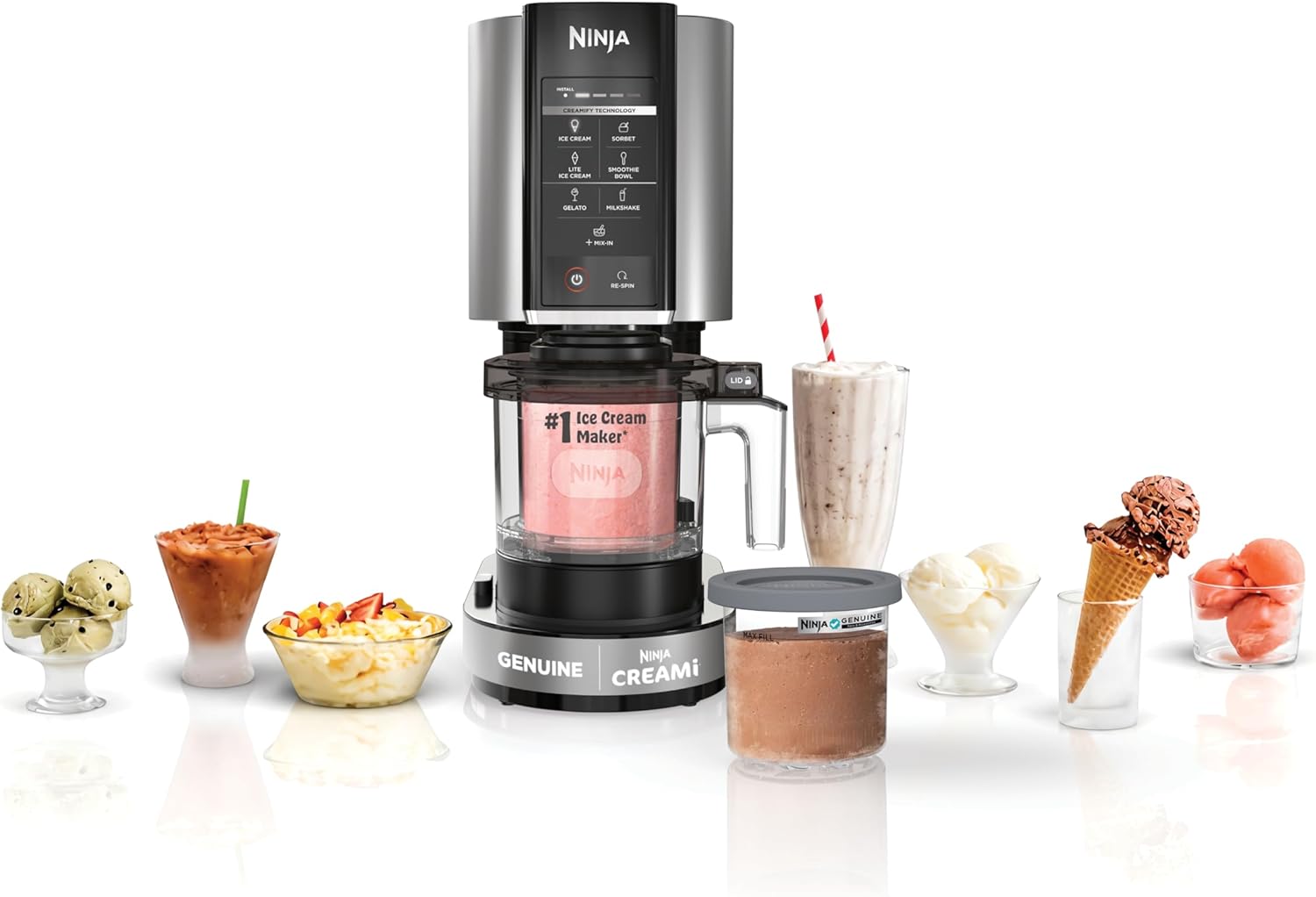
“Ice cream maker” is really three unrelated machines wearing the same label. One freezes a bowl overnight and churns while it melts. One carries its own miniature refrigerator and churns on demand. One skips churning entirely and shaves a pre-frozen block into a pint. Picking the wrong one for how you actually cook means either an appliance that never gets used or a wait time that kills the impulse to make dessert in the first place.
Churn Method: Frozen-Bowl, Compressor, or Freeze-Then-Shave
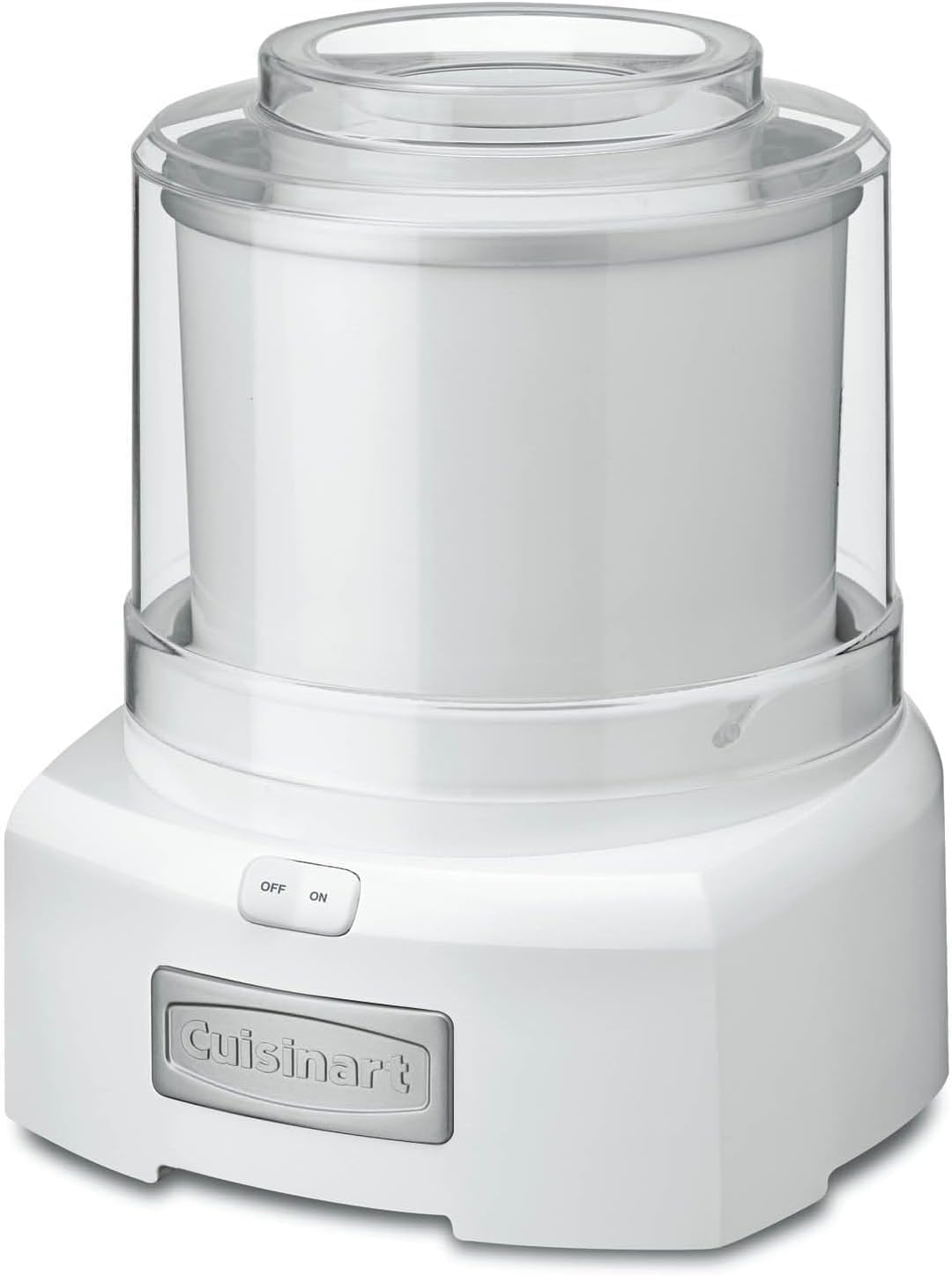
A frozen-bowl machine, like the Cuisinart ICE-21P1, relies on a double-insulated bowl that’s been sitting in the freezer — the bowl itself absorbs heat from the mixture while a paddle keeps it moving, producing a soft-serve-style result in 15–25 minutes once the bowl is actually cold.
A compressor machine, like the Whynter ICM-200LS, builds that freezer directly into the unit, so there’s no bowl to pre-chill — it refrigerates the mixture while churning, reaching far colder temperatures than a frozen bowl can sustain, at the cost of a heavier, pricier machine. A freeze-then-shave machine, like the Ninja CREAMi, skips churning altogether: the base freezes solid first, then a motorized blade shaves it into a creamy texture in about two minutes.
When it matters: if you want to decide “let’s make ice cream” and be eating it within the hour, only a compressor machine gets you there without advance planning.
When it doesn’t: if ice cream is a planned weekend activity rather than a same-day impulse, the pre-freeze step of the other two methods costs nothing extra.
The method determines the wait time far more than the price does — a $270 compressor machine and a $70 frozen-bowl machine can produce comparably good ice cream, just on very different schedules.
Pre-Freeze Time & Planning Ahead
This is the single biggest lifestyle question a buyer needs to answer honestly. The Cuisinart ICE-21P1’s bowl needs 16–24 hours in a home freezer before it’s usable, and once a batch runs, the bowl is done until it refreezes — no back-to-back flavors. The Ninja CREAMi’s pint needs a full 24 hours frozen solid before processing, so it’s the same commitment, just packaged differently.
The Whynter ICM-200LS is the only one of the three that removes this step. Pour the mixture in, and a batch is ready in 30–50 minutes — and because there’s no bowl to refreeze, a second flavor can start immediately after the first finishes.
When it matters: households that host regularly, or where “let’s make ice cream tonight” is a real, recurring request, get real value from skipping the freeze step.
When it doesn’t: if ice cream night is already planned a day ahead (which most dessert-making is), the freeze requirement is invisible in practice.
Two of these three machines require 16+ hours of lead time no matter what you pay — only the compressor format buys same-day spontaneity, and it’s the reason for its higher price.
Batch Size & Who You’re Serving
The Ninja CREAMi processes one 16 oz. pint at a time — enough for one to two people, with extra pints sold separately for anyone hosting more. The Cuisinart ICE-21P1 holds 1.5 quarts per batch, comfortably serving three to four people. The Whynter ICM-200LS holds 2.1 quarts, the largest single batch of the three, and its no-refreeze design means a second 2.1-quart batch can follow immediately if a gathering runs bigger than expected.
When it matters: anyone regularly serving a group larger than two or three people will find the CREAMi’s per-pint format genuinely limiting without buying several extra pint containers in advance.
When it doesn’t: for a household of one or two, the CREAMi’s individual-serving format is arguably the better fit — no half-eaten quart of melting ice cream sitting in the freezer.
Price vs. Convenience Trade-off
The spread here is wide: the Cuisinart ICE-21P1 runs $69.95, the Ninja CREAMi $229, and the Whynter ICM-200LS $269.99 — roughly a 4x range from cheapest to priciest. That gap tracks almost exactly with what each machine removes from the process: the CREAMi’s price buys ingredient-level control and single-serving portions; the Whynter’s price buys the elimination of the pre-freeze step entirely.
When it matters: if budget is the deciding factor and a day’s notice isn’t a real obstacle, the frozen-bowl format delivers comparable ice cream quality to machines costing four times as much.
When it doesn’t: for anyone who has been burned before by a cheap appliance that gets used twice and shelved, paying more for a format that actually matches real habits is the better long-term value.
Noise & Counter Space
None of these three run silently. The Cuisinart’s motor draws consistent complaints about volume during its 20-minute cycle. The Ninja CREAMi’s “creamify” cycle is short — two to three minutes — but loud, comparable to a high-powered blender. The Whynter’s compressor runs the longest of the three, up to 50 minutes of steady refrigeration hum, and at 24.25 lbs and 16.75 inches wide, it’s the only one of the three that effectively requires a permanent spot on the counter rather than a cabinet.
When it matters: small kitchens or shared living spaces should weigh the Whynter’s footprint carefully — it isn’t something that gets pulled out and put away.
When it doesn’t: if counter space is already available and dedicated to it, the size trade-off disappears entirely.
| Cuisinart ICE-21P1 | Whynter ICM-200LS | Ninja CREAMi | |
|---|---|---|---|
| Price (USD) | $54.95 | $291.53 | $229 |
| Price (CAD) | $94.76 | $375.46 | $299 |
| Method | Frozen-bowl churn | Built-in compressor | Freeze-then-shave |
| Pre-freeze time | 16–24 hrs | None | 24 hrs |
| Batch size | 1.5 qt | 2.1 qt | 16 oz. pint |
| Back-to-back batches | No — must refreeze | Yes | No — must refreeze pint |
| Our Score | 4.5/5 | 4.5/5 | 4.2/5 |
Our Verdict
Match the machine to the calendar, not the price tag. If ice cream is a planned weekend activity, the Cuisinart ICE-21P1 delivers results reviewers rank above other frozen-bowl machines at a quarter of the compressor price. If it’s a recurring, spontaneous request in the household, the Whynter ICM-200LS is the only format that actually removes the wait. If portion control and ingredient customization matter more than classic churned texture, the Ninja CREAMi’s per-pint format fits that need in a way neither of the other two does.
Buy the Cuisinart if budget and occasional use describe your household. Buy the Whynter if you make ice cream often enough that the pre-freeze step is a genuine recurring annoyance. Buy the Ninja CREAMi if single servings and ingredient control matter more than a classic churned texture.
Frequently Asked Questions
Is a compressor ice cream maker worth the extra money over a frozen-bowl model?
Can I make dairy-free or low-sugar ice cream in any of these?
Which of these is best for a small household of one or two people?
Do any of these need special ingredients or a pre-made base?
Is the Whynter ICM-200LS too heavy to store in a cabinet between uses?
Which One Is Right for You?
Best Budget Pick
Bottom line: the cheapest path to genuinely good homemade ice cream, if a day’s notice isn’t a dealbreaker.
Best for Frequent Batches
Bottom line: the only format here that turns a same-day craving into same-day ice cream.
Best for Custom Pints
Bottom line: total control over sugar, dairy, and protein content, one single-serving pint at a time.