How to Prep Patio Furniture for Fall: Clean, Dry, Store
Furniture that goes into winter dirty or damp comes out moldy, rusted, or cracked. A single afternoon of prep in September or October is what keeps it usable next spring.

How We Researched
Steps drawn from Coverstore’s winterizing guide, PatioHQ, and CubeSmart’s storage guide, cross-checked against our own product reviews. No manufacturer paid for placement.
* As an Amazon Associate I earn from qualifying purchases. Disclosure
What You’ll Learn
- Which materials can stay outside and which must come in
- How to wash frames and cushion covers without damage
- Why drying completely matters more than any cleaner
- How to deal with rust, scratches, and loose hardware
- Where to store cushions, umbrellas, and wicker
- How to pick a cover that won’t trap moisture
2 products referenced in this guide

How do you prep patio furniture for fall? Wash it, get it bone dry, fix small damage, bring soft goods indoors, and cover whatever stays outside with something that breathes. The order matters, because every step protects the next one.
Step 1: Sort Each Piece by Material
Not everything needs the same treatment, so sort before you scrub. CubeSmart notes that teak is one of the few materials that can stay outside over winter, while natural wicker is extremely vulnerable to moisture and should come in. Coverstore adds that plastic and resin turn brittle in freezing temperatures, so handle those gently and don’t leave them stacked under load.
- Can stay out (covered): teak, aluminum, wrought iron, stone
- Should come in: natural wicker, all cushions and pillows, umbrellas
- Handle with care in the cold: plastic and resin chairs
Step 2: Wash Frames and Cushion Covers
Start with the simplest cleaner that works. PatioHQ recommends a bucket of warm water with mild soap for frames, and a machine wash on a gentle cycle with mild detergent for removable cushion covers. Stain-resistant cushions usually need only a damp-cloth wipe-down.
- Brush off leaves, cobwebs, and loose dirt first
- Scrub frames with warm water and mild soap, working in the direction of the grain on wood
- Rinse plastic and aluminum with a hose; per Coverstore, lightly soiled synthetic wicker can also be sprayed down
- Wash removable cushion covers separately, and spot-clean non-removable ones with a soft brush and fabric-safe cleaner
Step 3: Dry Everything Completely
This is the step people rush, and it’s the one that decides how the furniture looks in April. Both Coverstore and CubeSmart stress letting every piece dry completely before storing or covering it, because trapped moisture becomes mildew, rust, and freeze-thaw damage. Wipe metal frames dry with a towel rather than waiting on the sun, and let cushions air out on a sunny day before they go anywhere. Even a water-resistant cushion that gets wet repeatedly risks mildew, mold, and discoloration, per CubeSmart.
Step 4: Touch Up Rust, Scratches, and Loose Hardware
Now that everything is clean and dry, inspect it. PatioHQ suggests checking for small cracks in wood, loose screws in metal chairs, sagging straps, and spots on metal frames where moisture collects and rust starts. Keep a small repair kit of touch-up paint, wood glue, and replacement screws handy.
- Aluminum: touch up any scratches with paint (Coverstore)
- Wrought iron: sand rust with fine-grit sandpaper, wash, then apply a rust neutralizer and car wax (Coverstore)
- Teak you’re leaving outside: apply a UV inhibitor plus tung or linseed oil if you want to keep the original color (CubeSmart)
- Everything: tighten loose screws and replace sagging straps now, not in spring
Step 5: Store Cushions, Umbrellas, and Wicker Indoors
Once dry, pack soft goods into airtight containers or heavy-duty storage bags, as PatioHQ suggests, and label them so spring setup is quick. Where to keep them is the one place the sources disagree: Coverstore lists a garage, shed, attic, or basement, while CubeSmart recommends climate-controlled space and warns against sheds, attics, and unheated garages. Pick the driest, most temperature-stable spot you have, and keep it leak-proof and pest-proof.
Step 6: Cover What Stays Outside With a Breathable Cover
Furniture that stays out needs a fitted cover, not a tarp. Coverstore recommends breathable fabric with mesh vents and about 1–2 inches of clearance between the bottom hem and the ground for airflow, and warns that plastic shrink wrap and tarps trap moisture and cause mold and mildew. CubeSmart likewise favors properly fitted covers over tarps and bungee cords. Fitted covers also keep rain and falling leaves off the surfaces you just cleaned.
The Right Gear Makes It Easier
You don’t need much equipment for this job, but two tools from our reviews earn their place.
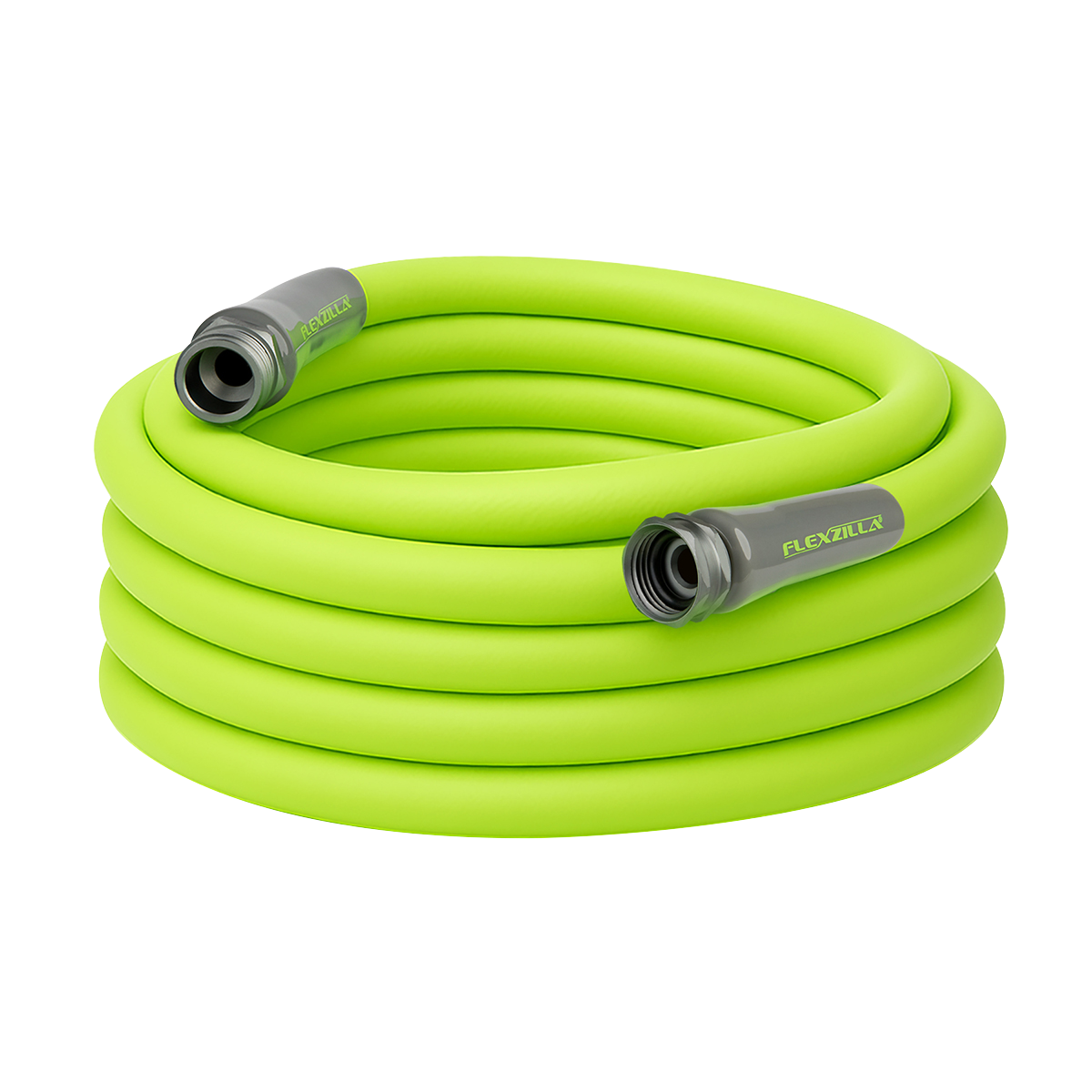
Flexzilla Garden HoseFlexzilla Garden Hose — a hose that stays flexible and lays flat instead of kinking makes the rinse in Step 2 much less of a wrestling match.
Westinghouse WPX3400 Gas Pressure WasherWestinghouse WPX3400 Gas Pressure Washer — better suited to the stone or concrete surface under your furniture than to the furniture itself, since gentler soap-and-brush cleaning is what the sources above recommend for frames.
Still lighting the patio into the cooler months? See our How to Choose Outdoor String Lights for Your Patio guide →See our How to Choose Outdoor String Lights for Your Patio guide →