Best Espresso and Coffee Machines for Home 2026: 3 Top Picks
From a $160 pod brewer to a $1,500 pressure-profiling machine, we compared three home coffee makers to help you find the right fit for your kitchen and your budget.

How We Researched
Three home coffee machines considered — a compact semi-automatic espresso machine, a premium pressure-profiling machine, and a flagship single-serve pod brewer — using AI-assisted secondary research, published manufacturer specs, and findings from Coffeeness, T3, Tom’s Guide, and Taste of Home. No manufacturer paid for placement.
What You’ll Learn
- Which machines need a separate grinder — and which one doesn’t
- Why the Fellow Series 1’s triple-element boiler costs three times as much as the Bambino Plus
- Whether a pod machine can get you espresso-style coffee without the learning curve
- How heat-up time actually affects your morning routine
- Which pick fits a small kitchen counter
The ranking
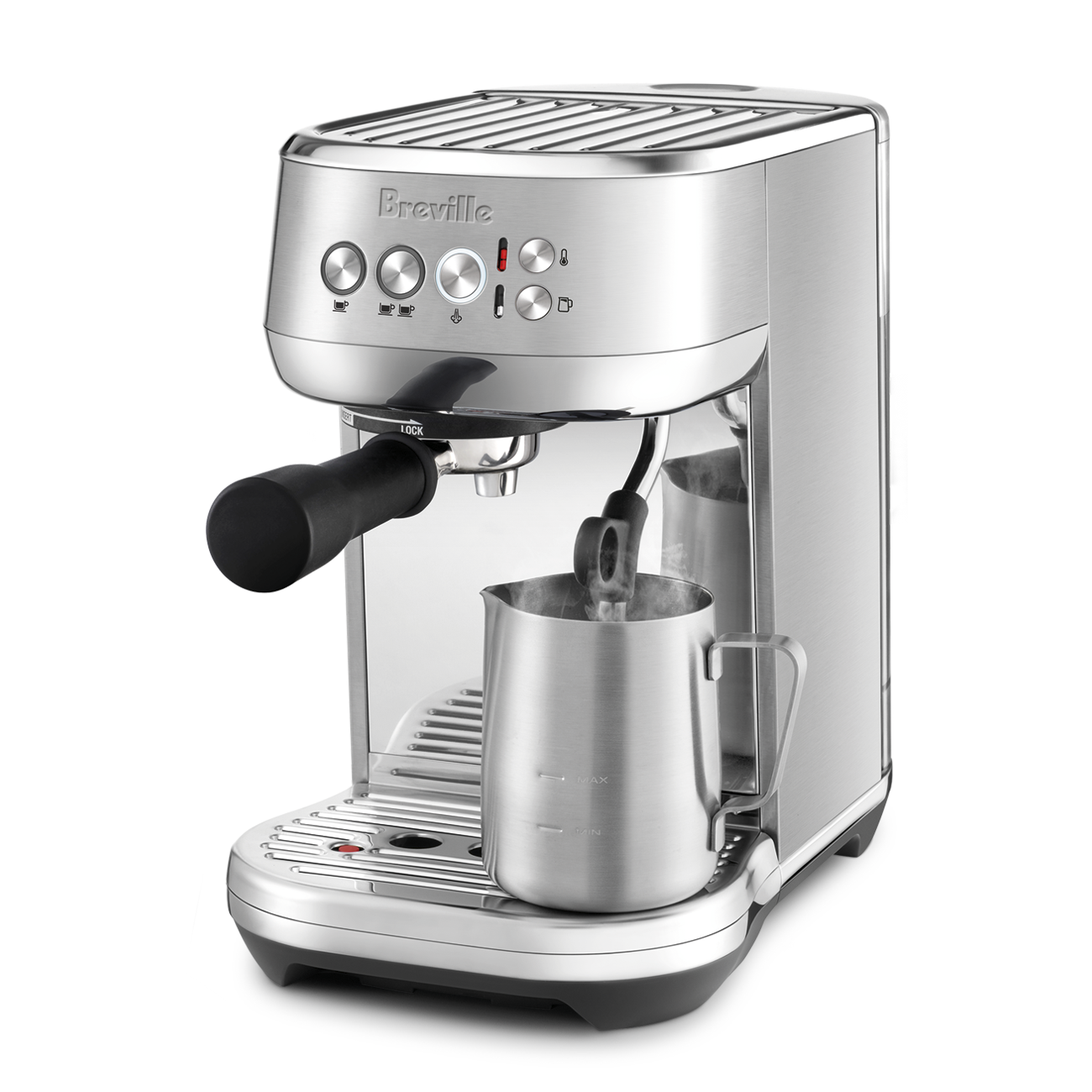
3-second ThermoJet heat-up and an automatic steam wand in a 7.5-inch-wide footprint.
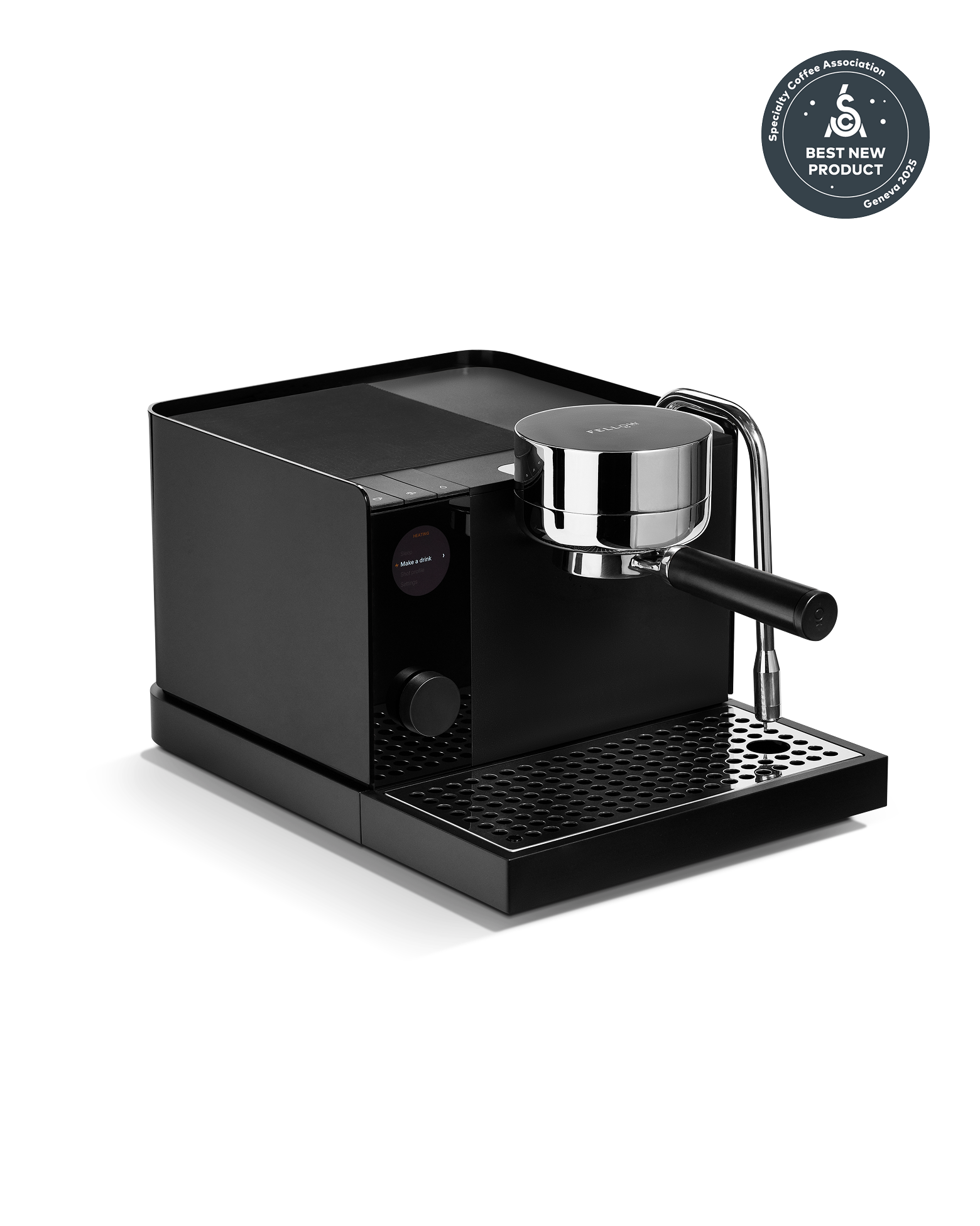
Triple-element Boosted Boiler and 3-phase pressure profiling for commercial-grade consistency.
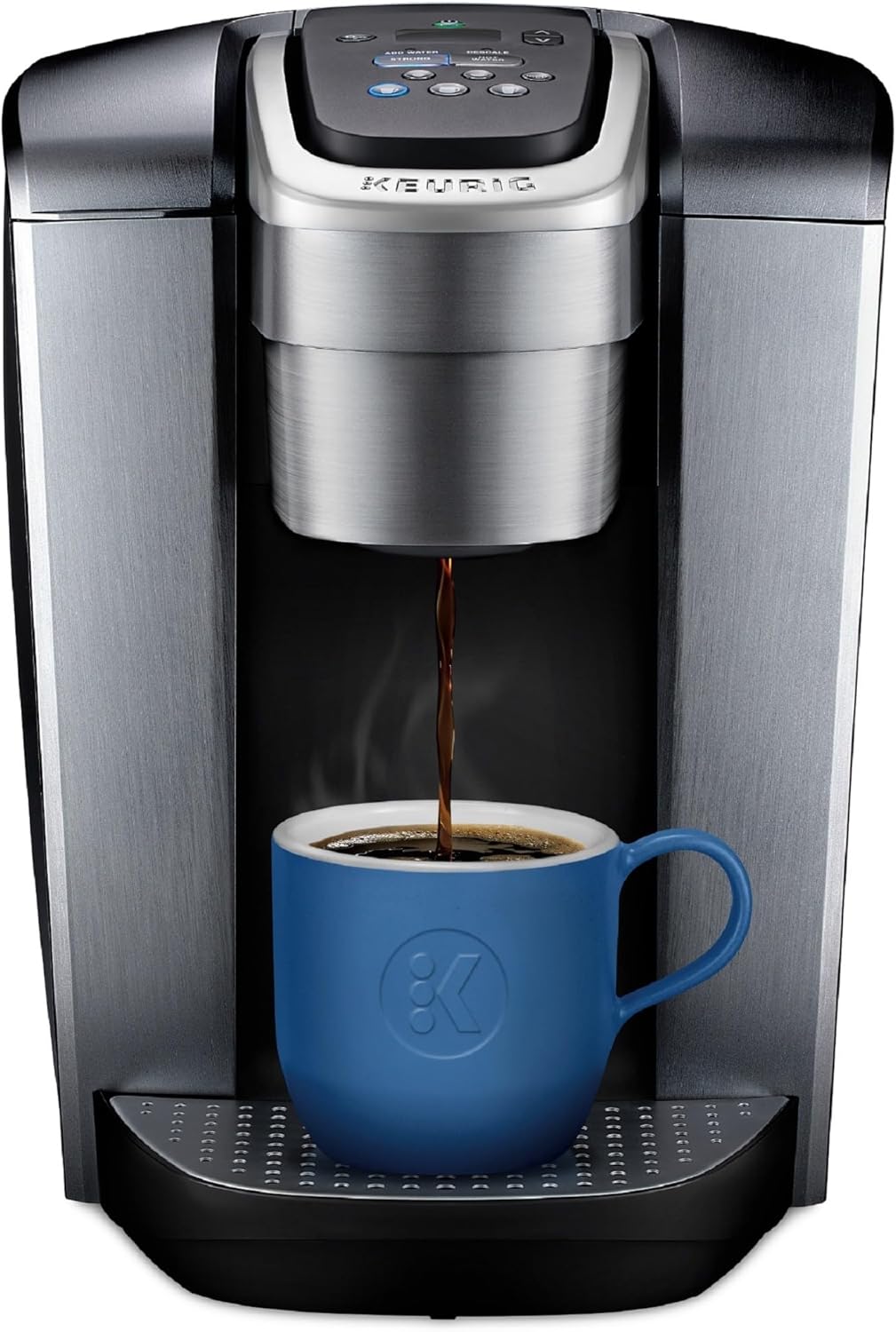
Five brew sizes, a dedicated Iced button, and single-button operation — no grinder, no dial-in.
Espresso machines range from $150 pod brewers to $1,500 pressure-profiling machines, and the right pick has less to do with price than with how much manual technique you want to learn. We looked at three home coffee machines — one built for speed and a small counter, one built for enthusiasts who want commercial-style control, and one that skips espresso technique altogether in favor of pod convenience — to help narrow the best espresso machine for home use in 2026.
1. Breville Bambino Plus — Best Overall
The Bambino Plus’s ThermoJet® heating system reaches extraction temperature in about 3 seconds, compared with 30–40 seconds for typical thermoblock machines, according to Breville’s own published specs. Paired with an automatic steam wand that runs through three temperature and texture presets, it removes the two biggest hurdles — long warm-ups and manual milk frothing — that trip up first-time espresso buyers.
At 7.5 inches wide, it’s also the most compact of the three, a real advantage in smaller kitchens. The tradeoff is limited manual control: there’s no pressure profiling or shot timer, and Coffeeness’s hands-on review notes the machine’s ceiling shows up mainly with the non-pressurized filter basket paired with a quality burr grinder — a pre-ground, pressurized-basket shot caps quality well below what the hardware can do.
Best for: home baristas who want fast, consistent shots without a steep learning curve or a big counter footprint.
2. Fellow Espresso Series 1 — Best Splurge
The Series 1’s triple-element Boosted Boiler is the reason it costs roughly three times as much as the Bambino Plus — T3’s reviewer called the shot consistency remarkable for a machine at this price, describing it as approaching the thermal stability of commercial dual-boiler setups that usually cost more. Three-phase pressure profiling, adjusted through a companion app, varies pressure across pre-infusion, extraction, and ramp-down for a sweeter, more forgiving shot.
Reviewers at Eight Ounce Coffee and Home Reviewed both singled out the automatic steam wand’s milk quality as close to café-standard. At over 23 inches deep, it needs meaningfully more counter clearance than the Bambino Plus, and the guided app workflow won’t appeal to buyers who want a fully disconnected, mechanical machine.
Best for: espresso enthusiasts who’ve outgrown a beginner machine and want commercial-grade pressure control at home.
3. Keurig K-Elite — Best for Convenience
The K-Elite skips espresso technique entirely — no grinder, no tamping, no dialing in a shot. Taste of Home’s product testing team named it their favorite Keurig, and Tom’s Guide measured it as one of the quietest Keurigs the publication has tested, peaking at 67 decibels mid-brew. Five brew sizes from 4 to 12 ounces and a dedicated Iced button cover more ground than most pod machines.
The catch is Tom’s Guide’s finding that its 187–192°F brew range falls short of the National Coffee Association’s 195–205°F standard for optimal extraction — pod coffee tastes clean, but it isn’t espresso-dark-roast concentrated. At $159.99, it’s a tenth the price of the Fellow Series 1 and the easiest of the three to use on a rushed morning.
Best for: buyers who want fast, no-fuss coffee (and genuinely good iced coffee) without learning espresso technique.
Quick Comparison
| Breville Bambino Plus | Fellow Espresso Series 1 | Keurig K-Elite | |
|---|---|---|---|
| Price | $499.95 | $1,499.95 | $159.99 |
| Heat-Up Time | ~3 seconds | Under 2 minutes | ~1 minute per cup |
| Separate Grinder Required | Yes | Yes | No — uses K-Cup pods |
| Pressure Control | Fixed pump, low-pressure pre-infusion | 3-phase profiling, app-controlled | N/A — pod extraction |
| Steam Wand / Milk | Automatic, 3 presets | Automatic, temp-sensing | None |
| Our Score | 4.4/5 | 4.3/5 | 4.1/5 |
Prices current as of August 2026 — verify before purchasing.
The Final Word
If we had to pick just one, it’s the Bambino Plus — it hits the sweet spot of speed, size, and price that fits how most people actually make coffee at home. But the Fellow Series 1 earns its premium for anyone chasing café-level consistency, and the K-Elite proves you don’t need to learn espresso technique at all to get a genuinely good cup, including iced.
Browse all Kitchen & Cooking reviews →Kitchen & Cooking reviews → or see our Best Small Kitchen Appliances 2026 guide →
Frequently Asked Questions
Do I need a separate grinder for the Breville Bambino Plus or Fellow Espresso Series 1?
Is the Keurig K-Elite actually an espresso machine?
Is the Fellow Espresso Series 1 worth the extra cost over the Breville Bambino Plus?
Which of these fits a small kitchen best?
How often do these machines need descaling?