Best Frame TVs & Art-Mode TVs of 2026: TCL Beats Samsung
Four TVs built to look like framed art on the wall, weighed on brightness, art-library depth, and how much gaming performance survives the frame design.

How We Researched
4 frame-style/art-mode TVs considered, cross-checked against RTINGS and Tom’s Guide measurements, Samsung and TCL’s own spec sheets, and verified current Amazon pricing. No paid placement.
* As an Amazon Associate I earn from qualifying purchases. Disclosure
What You’ll Learn
- Which frame TV has the most quantified picture performance, not just art-mode polish
- How much brightness you actually give up going from Mini LED to standard QLED
- Whether any of these are genuinely good for gaming, not just decor
- How Samsung’s Art Store compares to TCL’s and Hisense’s newer art libraries
- Which pick is the cheapest real way into the frame-TV look
The ranking

448-zone QD-Mini LED, 2,500-nit peak brightness, and native 144Hz gaming at the lowest price of the four.
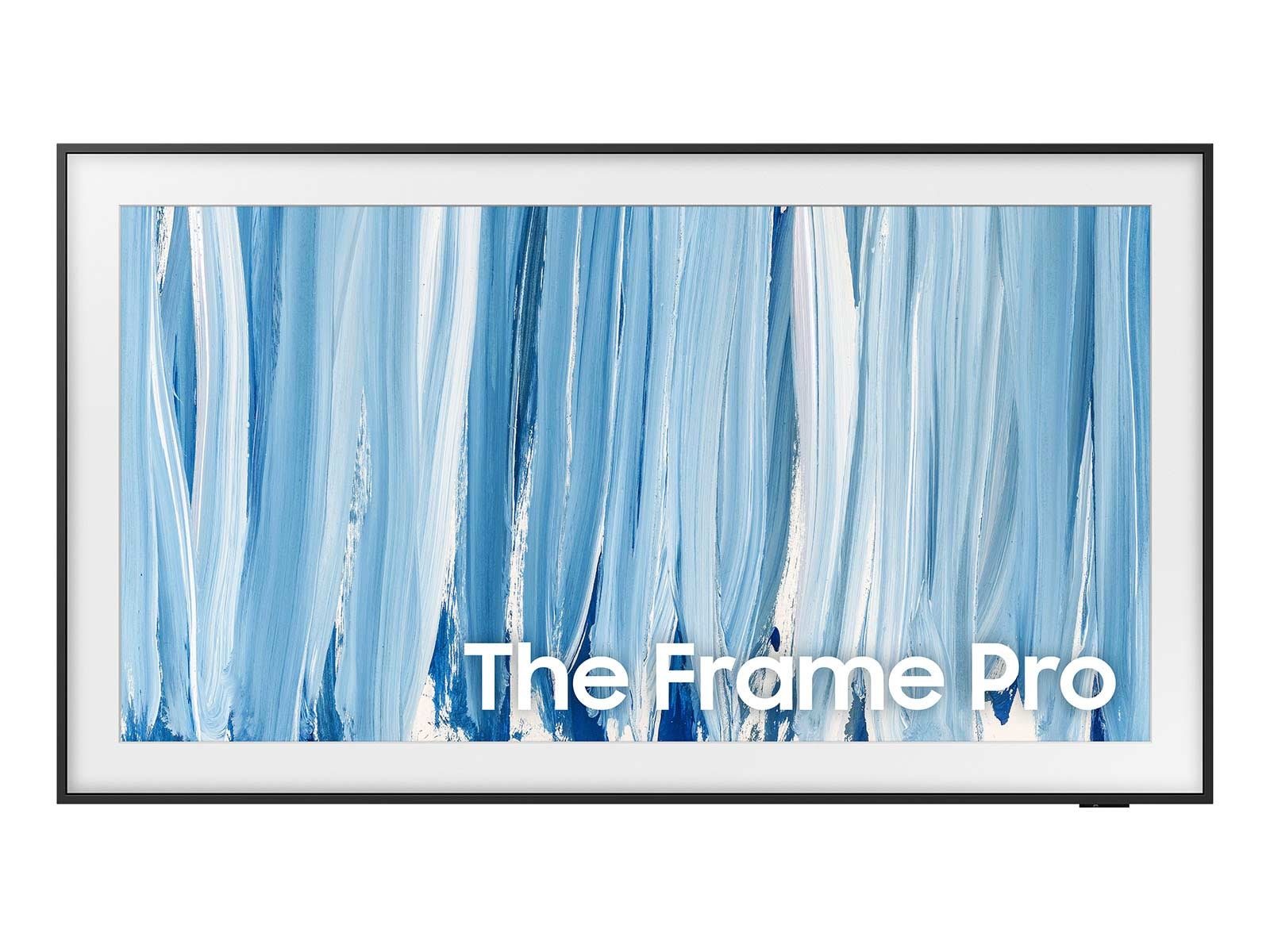
Genuine Neo QLED Mini LED backlighting and a wireless One Connect box, paired with Samsung’s deepest Art Store catalog.
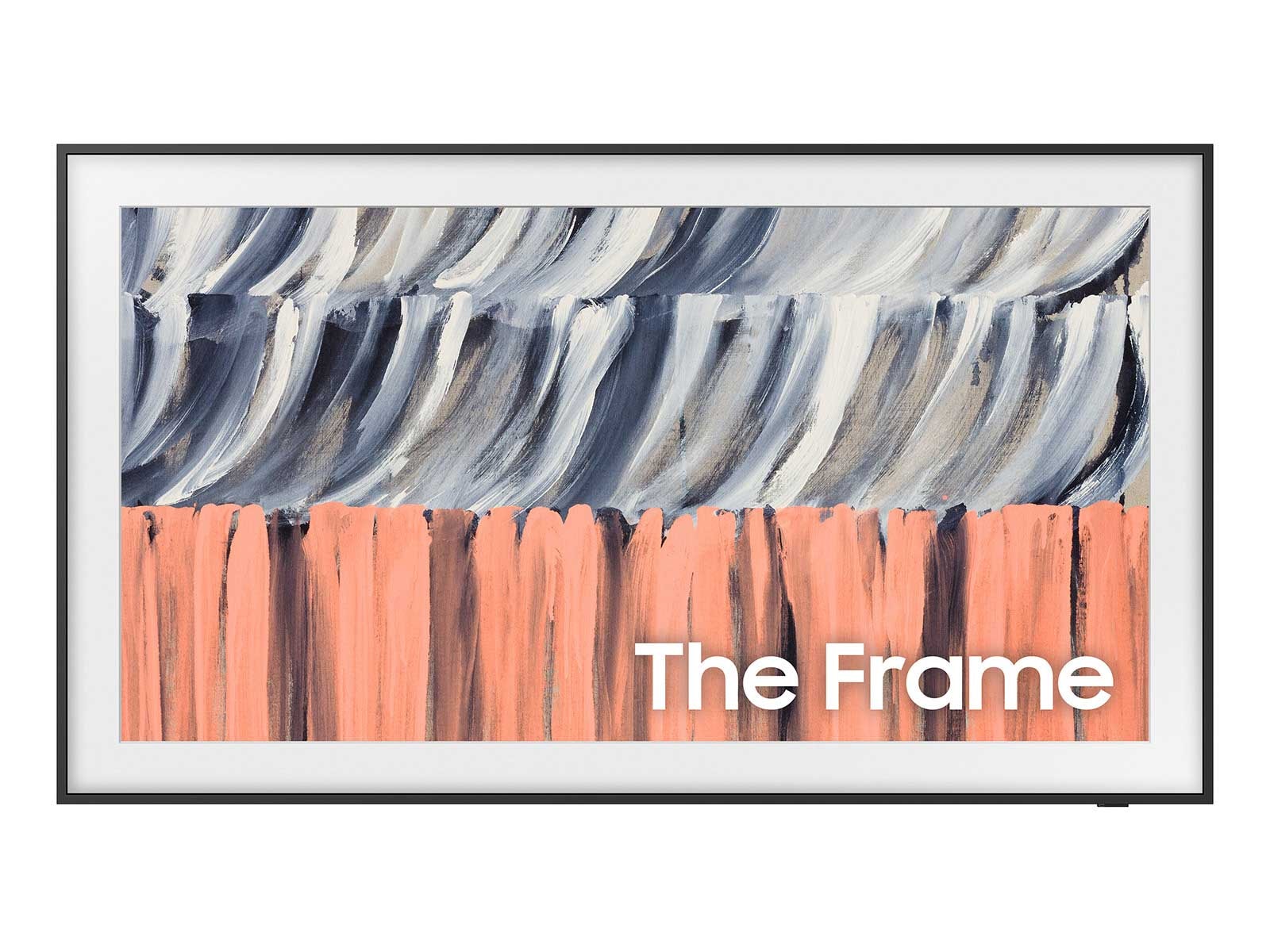
The cheapest way into Samsung’s 5,000+ work Art Store, now with a 144Hz gaming panel it never had before.
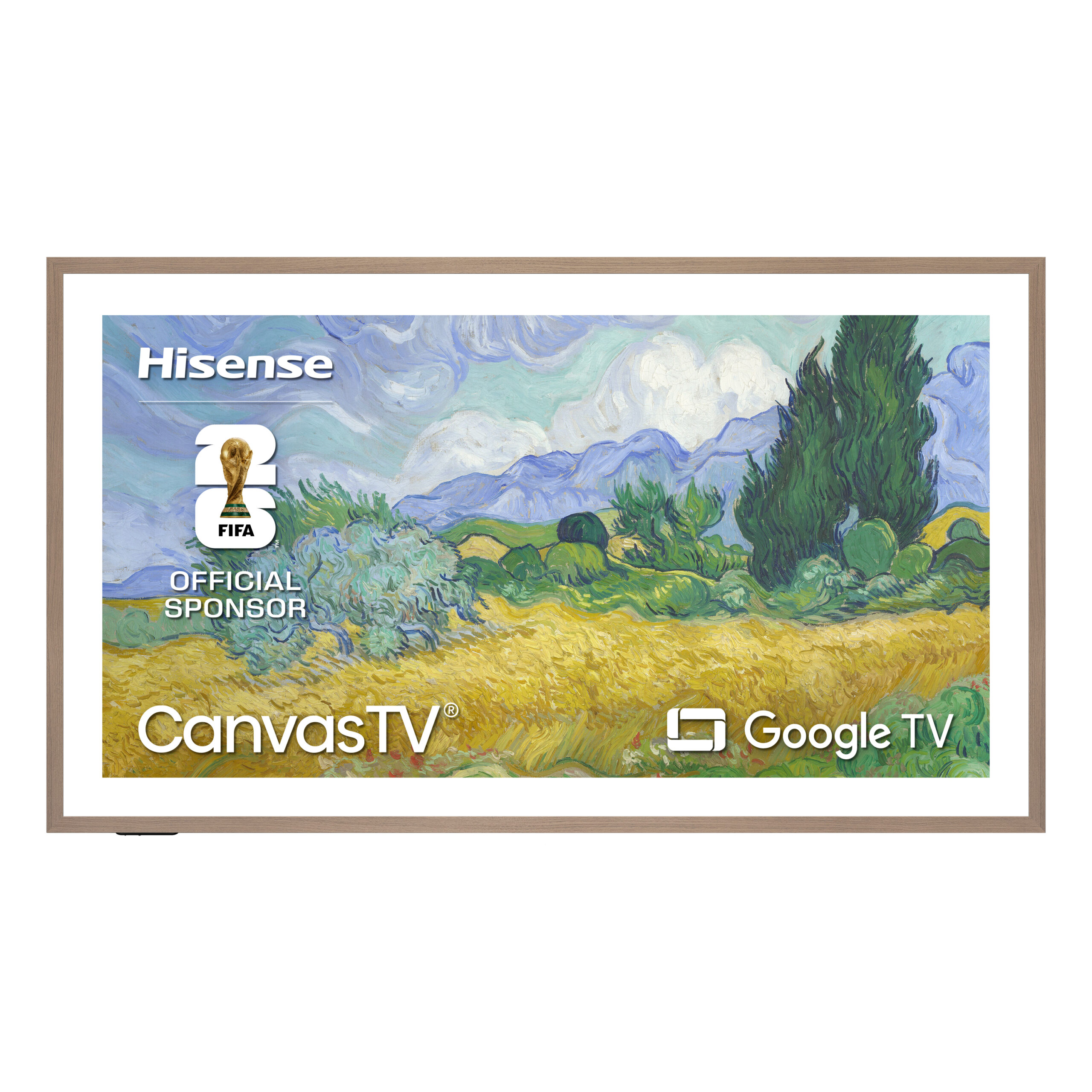
A Hi-Matte anti-glare panel RTINGS rates ahead of Samsung’s Frame for daytime viewing, plus a free 1,000+ work art library.
A frame TV or art-mode TV is built to look like a framed print on the wall when it’s off, not just another black rectangle — but for years that design came with a real catalog of picture-quality trade-offs. We compared four of 2026’s best frame TVs on the things that actually separate them once the novelty wears off: how bright and contrasty the panel gets, how deep each brand’s curated art library goes, and whether any of them still make you give up real gaming performance to get the wall-art look.
1. TCL A400U — Best Overall
The A400U is the one pick here that pairs the flush-mount, art-frame look with a genuinely quantified Mini LED panel behind it: a 448-zone Local Dimming Pro+ backlight and 2,500-nit peak brightness on the 55-inch model reviewed here, both figures confirmed directly against TCL’s own current spec sheet for this size. A native 144Hz refresh rate with VRR and FreeSync Premium Pro means it doesn’t ask gamers to trade away responsiveness for the wall-art design the way earlier frame-style TVs did.
The catch is catalog depth, not hardware — TCL’s Art Library and Ambient Mode are functional but noticeably younger than Samsung’s multi-year Art Store, and as a first-generation TCL art TV there’s less long-term reliability data to lean on. Buyers chasing Samsung’s specific curated-art ecosystem should look at the two Samsung picks below instead.
Best for: buyers who want real Mini-LED picture quality and 144Hz gaming behind the frame design, without paying Samsung Frame prices for it.
2. Samsung Frame Pro — Best Mini LED Art Mode
The Frame Pro is Samsung’s answer to its own standard Frame’s biggest weakness: no local dimming. Swapping in Neo QLED Mini LED backlighting gives it real brightness and contrast headroom the base model can’t match — Tom’s Guide’s own testing measured the outgoing standard Frame topping out near 590 nits of HDR brightness, versus more than 1,000 nits on the Frame Pro, a gap we verified directly against that same coverage rather than taking either review’s word for it. Wireless One Connect routes every cable to a box up to 10 meters from the panel, and it carries the same 5,000+ work Art Store as the standard Frame.
That brightness and design upgrade comes at a real cost beyond the sticker price: interchangeable bezel colors are sold separately, the built-in speakers underperform the picture quality, and setup documentation is confusing enough that professional installation is often the practical answer. There’s also no collage mode for personal photos, a feature Hisense’s CanvasTV includes for free.
Best for: buyers who already wanted a Frame TV but were held back by the standard model’s lack of local dimming, and who watch mostly in a bright room.
3. Samsung The Frame TV — Best Entry-Level Frame
The original Frame is still the cheapest way into Samsung’s actual Art Store ecosystem — same 5,000+ curated works as the pricier Frame Pro, the same matte glare-free coating, and for the first time in 2026 a genuine 144Hz native panel with AMD FreeSync Premium across all four HDMI 2.1 ports. Earlier Frame generations treated gaming as an afterthought; this one no longer does.
It still shows its limits after dark, though. Without local dimming zones, Tom’s Guide measured the standard Frame around 500 to 600 nits of peak brightness — roughly half the Frame Pro’s figure — so dark scenes and dark-toned artwork won’t show the same depth. Bixby’s voice recognition also lags noticeably behind Alexa on the same remote.
Best for: buyers who want Samsung’s own Art Store catalog and brand ecosystem at the lowest possible entry price, and don’t need Mini LED-level brightness.
4. Hisense CanvasTV S7SG — Best for Bright Rooms
The CanvasTV’s real differentiator is glare handling, not brightness: RTINGS specifically credits its Hi-Matte anti-glare coating with handling ambient light better than Samsung’s own Frame, which matters most in a sunlit living room where Art Mode is supposed to pass for a real print. A variable 48-144Hz refresh rate with AMD FreeSync Premium, ALLM, and Low Latency MEMC backs up genuinely competitive gaming specs, and its 1,000+ curated artworks come with no subscription gate — a real advantage over Samsung’s partly subscription-gated Art Store.
RTINGS’ lab testing calls the CanvasTV 2026 “just an okay TV overall,” and the reason is the same one facing the standard Samsung Frame: no local dimming zones, so dark scenes and shadow detail lag behind the Mini-LED-backed Frame Pro and TCL A400U. Current Amazon pricing for the 75-inch model reviewed here runs $1,441.99 — worth noting that’s a larger screen than the 55-inch size the other three picks are priced at, so it isn’t a true apples-to-apples budget comparison at this size. Owners are broadly satisfied with the overall package, though, even where RTINGS’ lab measurements mark down its contrast specifically.
Best for: buyers in a bright or glare-prone room who want real 144Hz gaming and a no-subscription art library, and don’t need the deepest catalog on this list.
Quick Comparison
| TCL A400U | Samsung Frame Pro | Samsung The Frame TV | Hisense CanvasTV S7SG | |
|---|---|---|---|---|
| Price (USD) | $899.99 | $1,297.99 | $927 | $1,441.99 (75") |
| Display Tech | QD-Mini LED, 448 zones | Neo QLED Mini LED | QLED, no local dimming | QLED, Hi-Matte anti-glare |
| Peak Brightness | 2,500 nits | ~1,000+ nits (Tom’s Guide) | ~500–600 nits (Tom’s Guide) | Not local-dimming class |
| Refresh Rate | Native 144Hz, VRR | 144Hz | 144Hz, FreeSync Premium | 48–144Hz, FreeSync Premium |
| Art Library | TCL Art Library (newer) | 5,000+ Art Store works | 5,000+ Art Store works | 1,000+ free, no subscription |
| Our Score | 4.5/5 | 4.2/5 | 4.1/5 | 3.7/5 |
CanvasTV S7SG shown at its reviewed 75″ size; the other three are 55″.
The Final Word
The real story across all four of these is what’s disappeared, not what’s new: frame-style TVs used to force a straight trade-off between the wall-art look and a usable TV, and none of 2026’s crop asks buyers to make that trade anymore. The dividing line now is local dimming, not gaming specs — the TCL A400U’s quantified Mini LED numbers and the Samsung Frame Pro’s Neo QLED backlighting both deliver real contrast the two QLED-only picks simply can’t match after dark, no matter how good their art libraries look during the day. If picture performance matters more than brand ecosystem, buy on the spec sheet, not the logo.
Browse all Tech & Gadgets reviews →Tech & Gadgets reviews → or check our Best TVs for Every Room and Budget guide → for the wider picture.
Frequently Asked Questions
Is a frame TV worth it over a regular TV?
Which of these has the best picture quality?
Is the Samsung Frame Pro worth the extra cost over the standard Frame?
Do any of these actually work well for gaming?
What’s the cheapest way to get the frame-TV look?
Reader Poll
What matters most to you in a frame-style / art-mode TV?
Help Our Editors Know What Matters to You
Explore on Amazon →