Blink Outdoor 4 vs Nest Cam Battery: Blink Wins for Most
One costs $79.99 and runs two years on AA batteries. The other costs $179.99 and plugs straight into Google Home. Here is which wire-free camera earns the money.

How We Researched
Published findings from Tom’s Guide and Security.org, verified manufacturer specifications from Blink and the Google Store, and current Amazon listing data for both the US and Canadian SKUs. No paid placement, and no hands-on testing was conducted by TTP.
* As an Amazon Associate I earn from qualifying purchases. Disclosure
What You’ll Learn
- What the $100 price gap actually buys
- Which camera covers more of a driveway
- How the night vision compares after dark
- Why battery life is not a close contest
- Which one filters out junk notifications better
- What each subscription is required for
The Two Cameras Compared
 Best Value
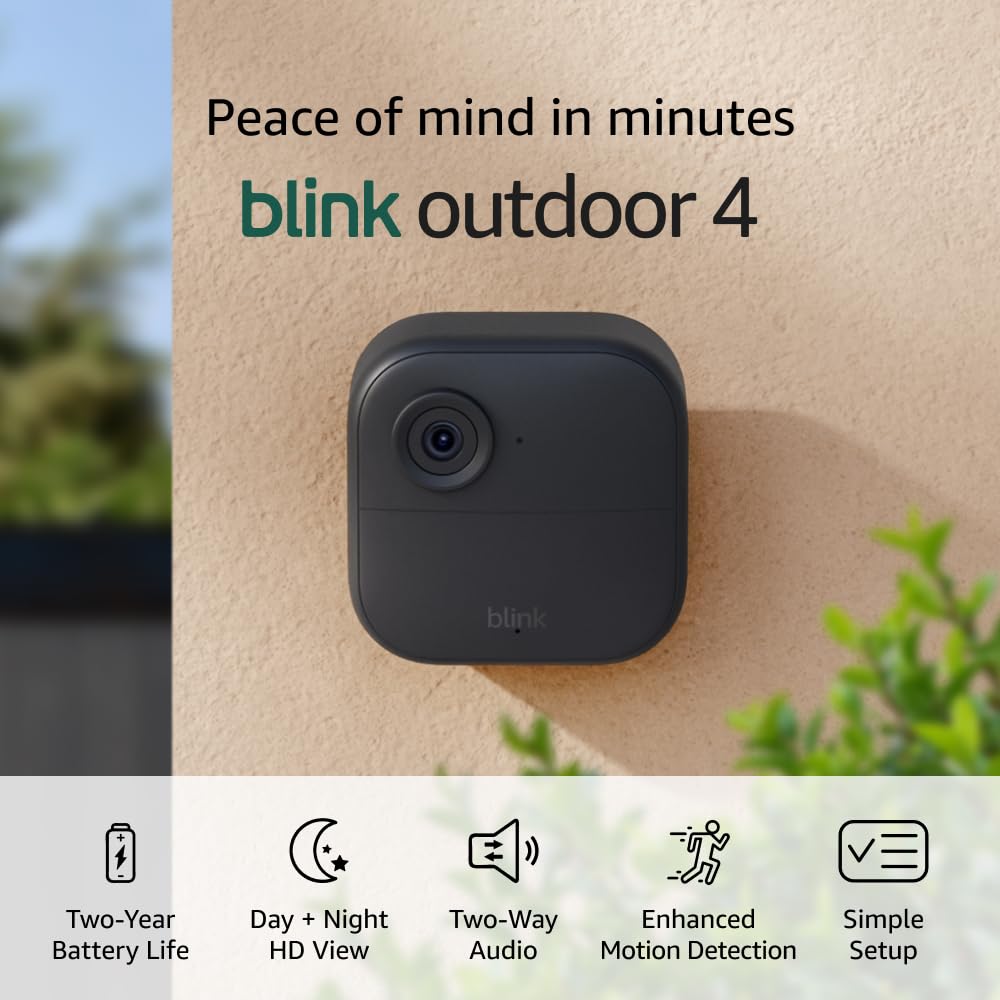
Bottom line: The wider lens and two-year battery make this the camera to buy if the job is watching a driveway or a back gate without running wire or recharging anything.
 Best Smart Home Fit
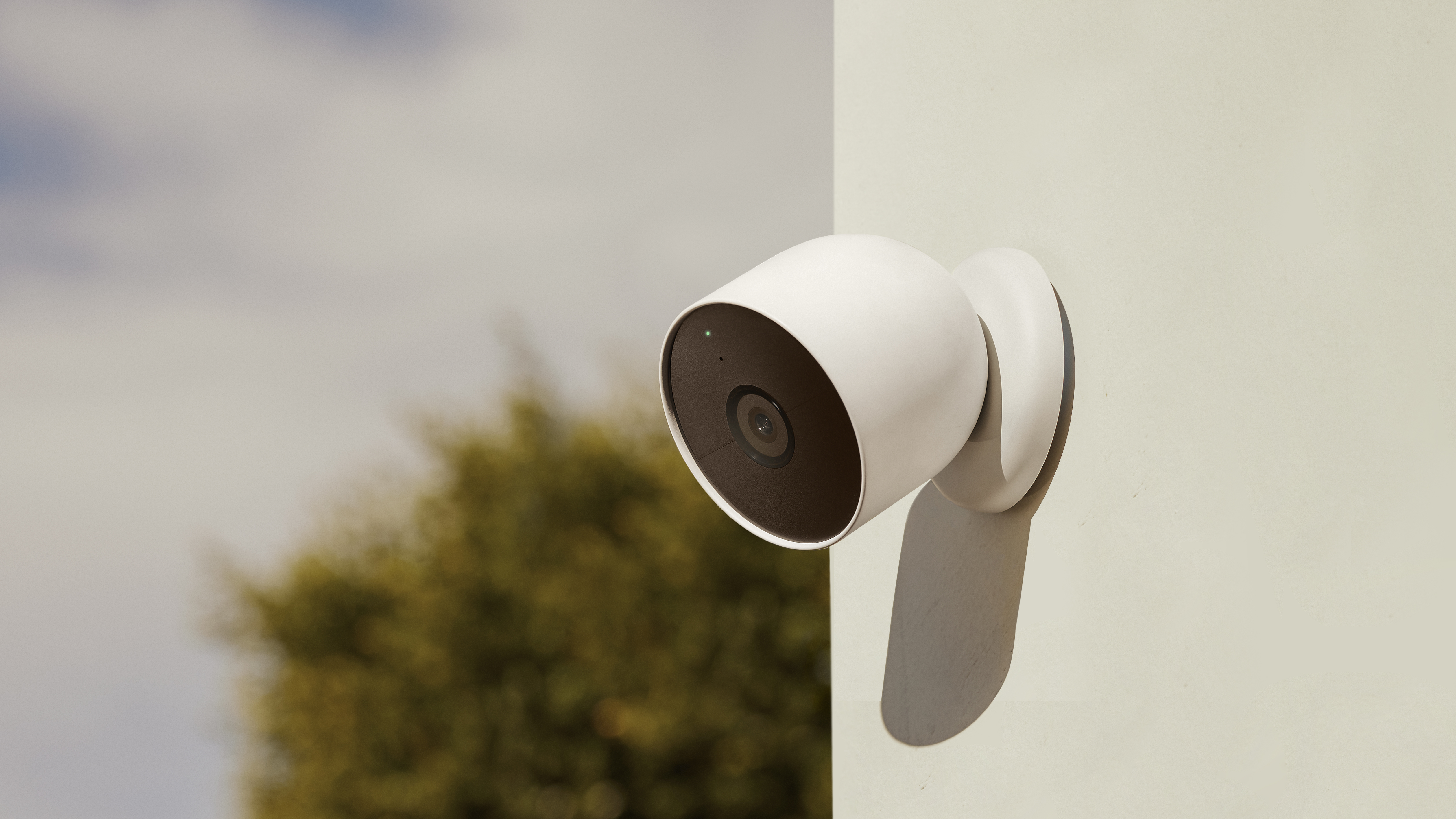
Bottom line: Worth the premium in a house already running Google Home routines, where on-device animal and vehicle detection and a tool-free magnetic mount do more work than raw resolution.
Anyone shopping wire-free security cameras this year runs into the Blink Outdoor 4 vs Nest Cam question early, because the two sit at opposite ends of the same shelf. Blink’s fourth-generation outdoor camera is $79.99 with a hub in the box. Google’s battery Nest Cam is $179.99 and assumes the buyer already owns a Google speaker or two. The specs are closer than the price gap suggests, and the deciding factor turns out to have nothing to do with resolution.
| Spec | Blink Outdoor 4 | Google Nest Cam (Battery) |
|---|---|---|
| Price (USD) | $104.99 | $179.99 |
| Price (CAD) | $37.99 | $219.99 |
| Resolution | 1080p | 1080p HDR |
| Field of view | 143° diagonal | 130° diagonal |
| Night vision | Infrared, black-and-white | Infrared, black-and-white |
| Power | 2x AA lithium, up to 2 years | Built-in 6 Ah rechargeable, weeks per charge |
| Detection | Dual-zone with person detection | On-device person, animal and vehicle |
| Voice assistants | Alexa | Google Home and Alexa |
| Mounting | Wall mount; Sync Module Core included | Magnetic base, indoor or outdoor |
| Full event history | Paid Blink plan required | Nest Aware required; a few hours of free snapshots |
Price and What Comes in the Box
The Blink Outdoor 4 lists at $79.99, and the single-camera bundle ships with the Sync Module Core already included. That matters more than it sounds: the bare add-on version of the same camera assumes a Sync Module is already on the network, and buyers who pick the wrong listing end up with hardware that cannot reach the app.
The Nest Cam (Battery) is $179.99 for one wire-free unit, with multi-packs available. There is no hub to buy because the camera talks to Wi-Fi directly, so the sticker price is the whole price on both sides.
Winner: Blink Outdoor 4 for anyone counting cost per camera. At $100 less with the hub included, two Blink cameras cover a front and back yard for less than one Nest Cam.
Video Quality and Field of View
Both cameras shoot 1080p, so neither is going to satisfy a buyer who wants to read a license plate from across the street — rivals at similar money have moved to 2K and 4K sensors. Google adds HDR, which helps when a bright sky sits behind a shaded porch, and Security.org’s assessment of the battery Nest Cam line found the footage clear enough for practical identification in both day and night conditions.
Blink’s advantage is geometry rather than pixels. The fourth-generation lens widened to 143 degrees diagonal against the Nest Cam’s 130 degrees, which is the difference between one camera covering a driveway plus the front walkway and needing a second unit for the same view.
Winner: Blink Outdoor 4 for coverage per camera, with the caveat that the Nest Cam’s HDR handles high-contrast scenes better at the same resolution.
Night Vision After Dark
Neither camera does color at night. Both fall back to infrared and render in black and white, so a buyer specifically shopping for color night footage should be looking at a spotlight camera instead of either of these.
Between the two, Blink’s low-light range is the better documented. Tom’s Guide found the Outdoor 4’s night footage drastically improved over the outgoing Outdoor 3, reporting the infrared adequately lit not just the subject but trees and houses roughly 50 feet out. Google publishes no comparable range figure for the Nest Cam’s infrared.
Winner: Blink Outdoor 4, on the strength of a specific tested range at a fraction of the price. This is the closest section in the guide — both are ordinary infrared cameras.
Battery Life and Recharging
This is the least competitive category in the comparison. Blink runs on two AA lithium cells rated for up to two years, and Tom’s Guide called that estimate fairly accurate based on earlier Blink generations, noting the usual caveat that a camera facing heavy traffic burns through cells faster. When they do run down, the fix is a $10 pack of batteries.
The Nest Cam uses a built-in 6 Ah rechargeable lithium-ion pack that Google rates for weeks between charges at typical activity levels. Recharging means taking the camera off the wall, which is easier than it sounds thanks to the magnetic mount, but it is still a recurring chore that Blink owners never perform.
Winner: Blink Outdoor 4, and not narrowly. Two years versus a few weeks is the single largest functional gap between these cameras.
Motion Detection and Smart Alerts
Blink added dedicated person detection in this generation, and per Tom’s Guide it cut down tremendously on notification volume compared with older Blink cameras — the fix for a camera pointed at a street where every passing car used to fire an alert. Dual-zone detection allows separate sensitivity for a driveway versus a sidewalk.
Google goes further. The Nest Cam distinguishes people, animals and vehicles, and runs all of it through on-device machine learning rather than a cloud round trip, so alerts arrive faster and arrive already sorted. For a household that wants to know a delivery van pulled up without being told about the neighbor’s cat, that distinction is the feature being paid for.
Winner: Google Nest Cam (Battery). Three detection categories processed locally beats one processed anywhere.
Smart Home Ecosystem and Subscriptions
Blink is an Amazon product and behaves like one: Alexa voice control and Echo Show live view, and nothing on the Google side. Live view and snapshot alerts work without paying anything, but reviewing recorded clip history requires a paid Blink plan.
The Nest Cam sits inside the Google Home app next to the thermostat and the lights, and Amazon’s product listing confirms it also works with Alexa — a bridge most single-platform cameras do not offer, and the reason a mixed-speaker household is not locked out. Google’s own trade-off is Nest Aware: continuous event history, familiar-face recognition and package alerts all sit behind the subscription, with only a few hours of free event snapshots included.
Winner: Google Nest Cam (Battery). Both cameras gate their full video history behind a plan, but only one works natively with both major voice ecosystems.
Our Verdict
The Blink Outdoor 4 wins this comparison for most buyers, and it is not a close call on the things people actually deal with week to week: it costs $100 less, sees a wider slice of the yard, and goes two years without anyone touching it. Scored on its own merits it earns a 4.2 against the Nest Cam’s 4.0, and the price gap widens that lead considerably.
The Nest Cam earns its premium in one specific house — the one already running Google Home routines, where the camera becomes another tile in an app the household opens daily, and where animal and vehicle alerts filter the noise down to what matters. Its Alexa compatibility means that house does not have to be Google-exclusive to benefit.
Buy the Blink Outdoor 4 if the goal is solid outdoor coverage at the lowest cost and the least maintenance. Buy the Google Nest Cam (Battery) if the camera needs to live inside Google Home and the smarter alert filtering is worth more than the battery convenience.
Read Our Blink Outdoor 4 Review → Read Our Blink Outdoor 4 Review → Read Our Google Nest Cam Review → Read Our Google Nest Cam Review →
Frequently Asked Questions
Which should I buy if I already use Google Home?
Is the Nest Cam worth more than double the Blink’s price?
Which camera has better battery life?
Do either camera work without a subscription?
Which one is better for a dark driveway?