How to Transition Your Cat to a Self-Cleaning Litter Box (2026)
A self-cleaning litter box can spook a cat that isn’t ready for it — a slow, scent-first introduction is what actually makes the switch stick.

How We Researched
Steps drawn from Whisker’s official Litter-Robot acclimation guide and PetSafe’s ScoopFree introduction guide, cross-checked against our own product reviews. No manufacturer paid for placement.
What You’ll Learn
- Why placement and old-litter scent matter for a smooth start
- Why the first few days should run with the cleaning cycle off
- When it’s actually safe to turn on the automatic cycle
- How treats and praise speed up the transition
- When to remove the old box for good
- What stress signs mean you should slow down
3 self-cleaning litter boxes referenced in this guide
How do you transition a cat to a self-cleaning litter box without scaring them off it for good? A rushed switch is the single most common reason these boxes end up ignored in a corner — the fix is mostly about patience and sequencing, not settings.
Position the New Box Right Next to the Old One
Set the self-cleaning box beside your cat’s current litter box rather than replacing it outright. Cats respond to scent and location more than to a box’s shape or brand, so keeping the old box in its usual spot for the first stretch of the transition removes the pressure of hunting for a whole new bathroom. Whisker’s own acclimation guide recommends mixing a scoop of the old, already-used litter into the new box’s fresh litter so the scent carries over — a familiar smell reads as “safe” faster than a completely clean tray does.
Leave the Cleaning Cycle Off for the First Few Days
Keep the unit powered down, or the automatic function disabled, while your cat gets used to simply walking in and out of it. The goal is to let curiosity do the work on its own terms — no noise, no moving parts, nothing yet to associate the new box with. Once you notice your cat has actually used it, that’s the cue to move to the next step, not before.
Run the First Cycle While Your Cat Is Watching From a Distance
Trigger a manual cleaning cycle yourself, with your cat nearby but not standing inside the box, so the sound and motion happen in a low-stakes moment rather than mid-use. Whisker’s own instructions call for turning the unit on, running one manual cycle, then switching it back off — repeating that a few times before ever leaving the automatic timer running unattended. PetSafe’s ScoopFree introduction guide follows the same logic: run the automated cycle a few times a day only when the cat isn’t inside, never while they’re using it.
Reward Every Use With a Treat or Praise
Keep a small stash of treats near the new box for the first couple of weeks and reward your cat immediately after they use it — timing matters more than the treat itself. This positive-association step is what both manufacturer guides above list as the single biggest factor in a fast, low-stress switch, and it costs nothing but a few minutes of attention each day.
Remove the Old Box Once Use Is Consistent
Wait until your cat has used the new box on their own for a few days in a row before taking the old one away entirely — pulling it too early can undo the progress and send a hesitant cat looking for an alternative spot in the house instead. Once the switch is confirmed, retire the old box for good rather than leaving it as a permanent backup, which can slow full adoption of the new routine.
Watch for Stress Signs and Slow the Pace If You See Them
A cat that starts avoiding the box, has accidents nearby, or hesitates at the entrance is telling you the transition moved too fast — go back a step rather than pushing through it. Whisker’s guide notes the wait-timer delay can be extended up to 30 minutes for anxious cats, so the cleaning cycle runs less often while they adjust, and a litter attractant can help restart a transition that’s stalled. Kittens under a unit’s minimum weight threshold (3 lbs for the Litter-Robot 4) shouldn’t use automatic mode at all yet — manual-only operation is the safer setting until they’re heavier.
The Right Gear Makes It Easier
All three self-cleaning boxes below handle the mechanics differently, which changes how the transition above plays out in practice.
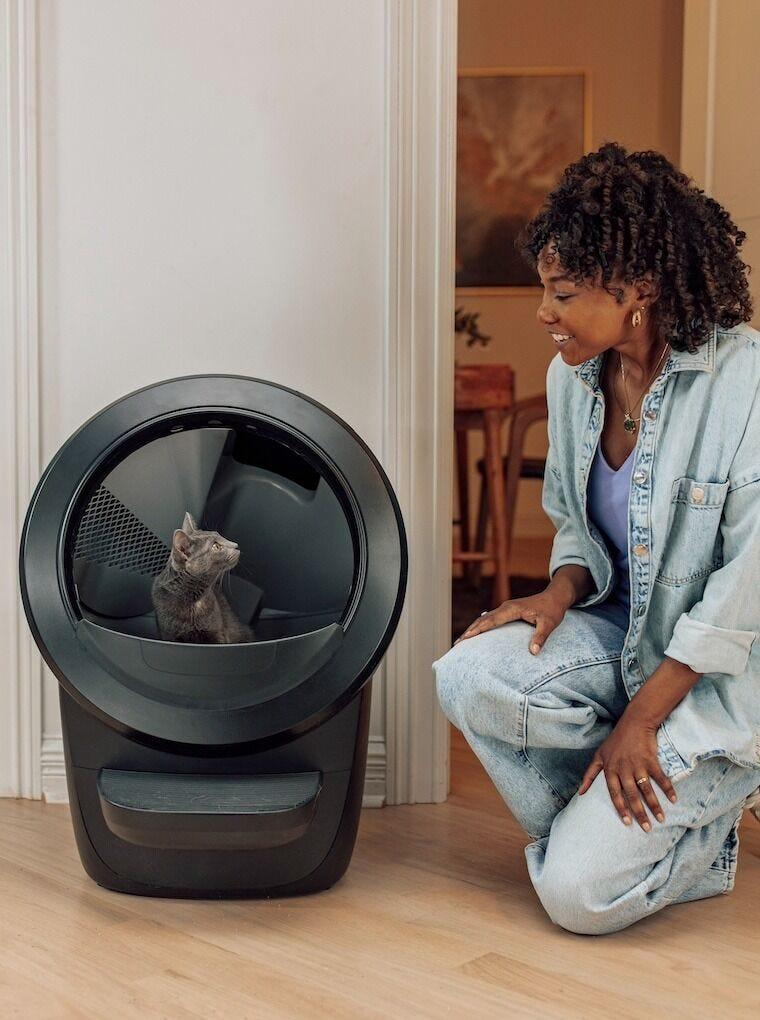
Litter-Robot 4Litter-Robot 4 — the widest entry opening of the three, and the OmniSense dual-sensor system pauses mid-cycle the instant a cat re-enters, which matters most during the early days of a transition.
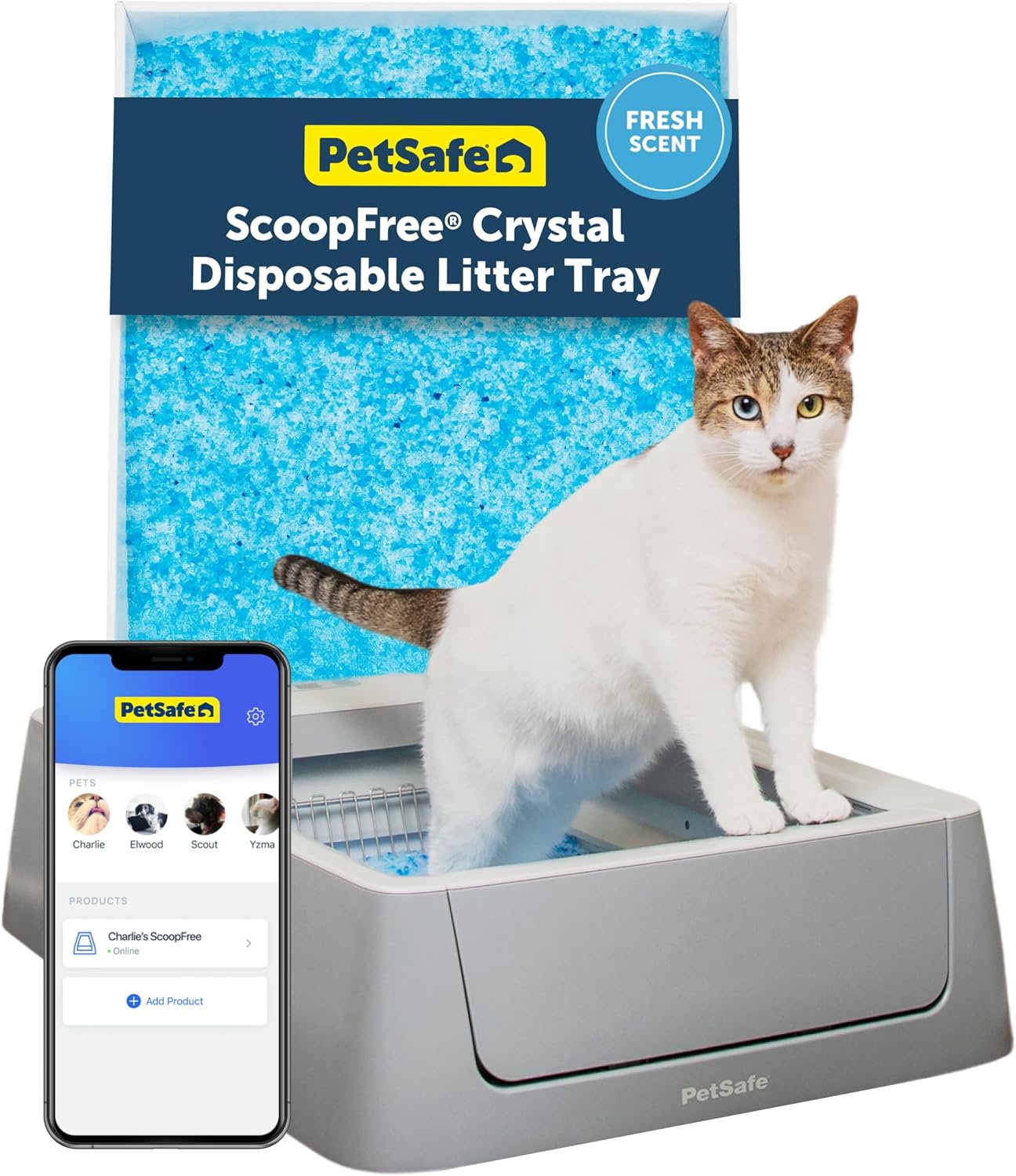
PetSafe ScoopFree Complete SmartPetSafe ScoopFree Complete Smart — the lowest upfront cost of the three, and PetSafe’s own step-by-step introduction guide walks through the same off-then-on cycle approach used above.
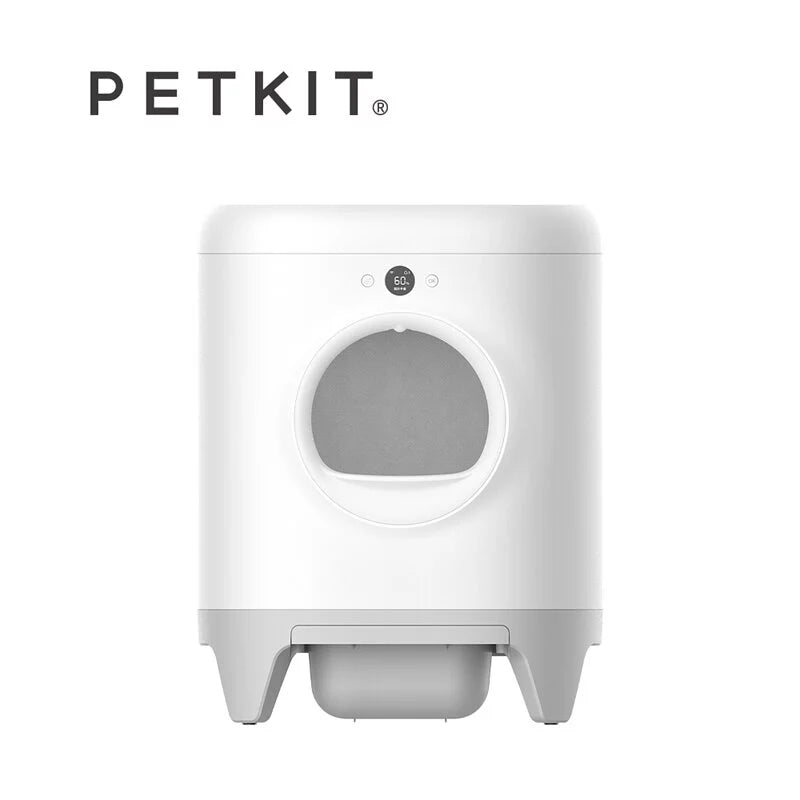
PetKit Pura XPetKit Pura X — works with any clumping litter rather than a proprietary tray, so a cat’s existing litter can carry straight over into the new box with zero adjustment.
Still deciding which self-cleaning litter box to buy in the first place? See our Best Automatic Cat Litter Boxes 2026 guide →See our Best Automatic Cat Litter Boxes 2026 guide →