Pixel 10 Pro vs Galaxy S26 Ultra: Ultra for Power Users
The Ultra does more; the Pixel is smaller and costs much less.

As an Amazon Associate I earn from qualifying purchases. Disclosure
primeNew to Amazon? Try Prime free for 30 days — free fast shipping, streaming & more.Start free trial →Buy the Galaxy S26 Ultra for its S Pen, two zoom lenses and longer battery life with far faster charging. Buy the Pixel 10 Pro for a smaller phone, a brighter screen and Google’s AI tools, for much less.
 Best for Power Users
For anyone who wants one phone for notes, zoom photos, games and long days away from a charger.
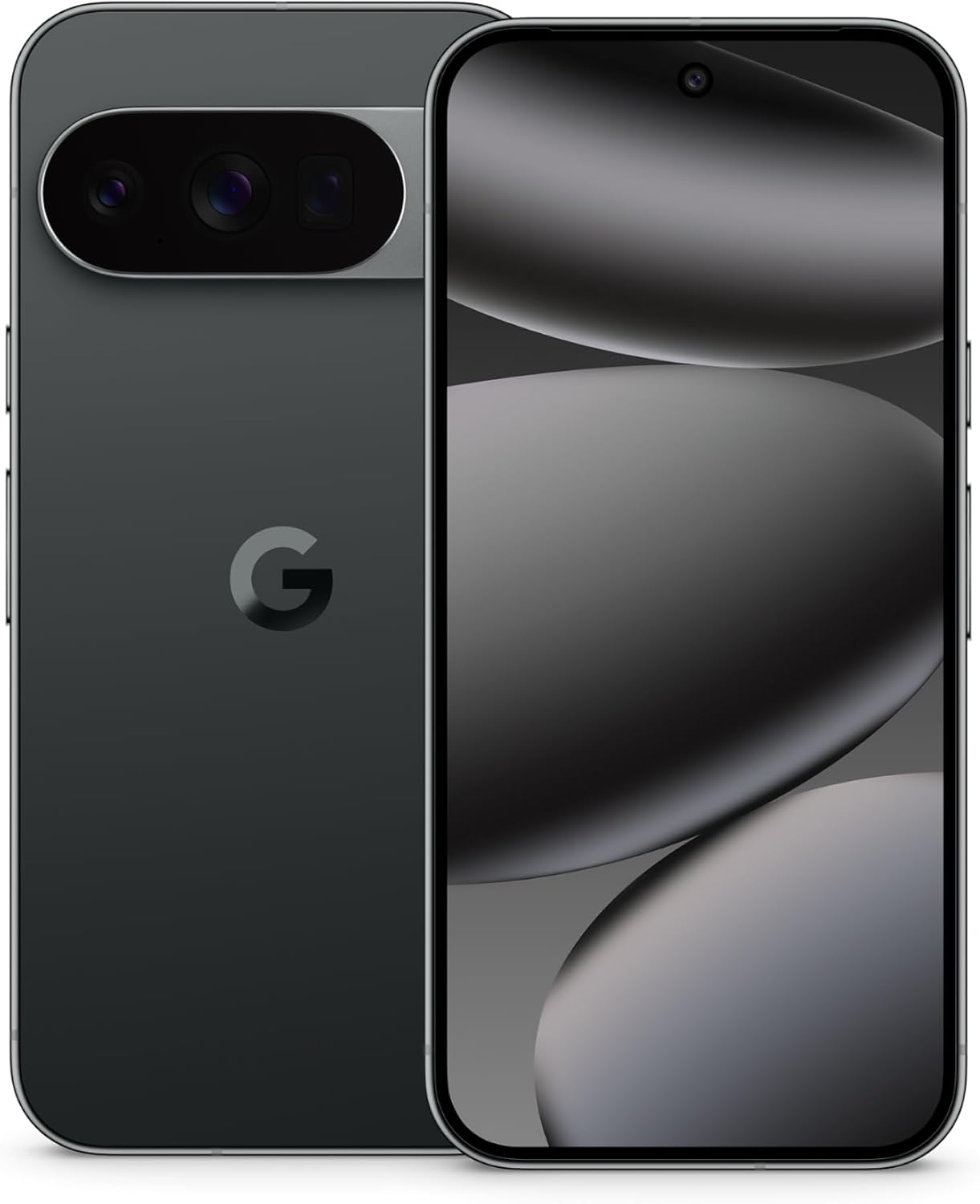 Best Compact Pick
For anyone who wants Google’s cameras and AI tools in a phone that fits a pocket.
The Pixel 10 Pro vs Galaxy S26 Ultra choice comes down to how much phone you want to carry. Samsung’s 6.9-inch Ultra adds a stylus, a second zoom lens and a Privacy Display; Google’s 6.3-inch Pixel answers with a brighter screen, magnets for accessories and AI tools that work well. The specs come first, then the questions that decide it.
How the Picks Compare
| Samsung Galaxy S26 Ultra | Google Pixel 10 Pro | |
|---|---|---|
| Price (USD)Price (CAD) | $1,149.53$2,049.99 | $699.00 (last Amazon price, Oct 19, 2026)$1,070.20 |
| Screen | 6.9-inch AMOLED, up to 120Hz, Privacy Display | 6.3-inch OLED, 1-120Hz |
| Weight (maker) | 214 g | 207 g |
| Chip | Snapdragon 8 Elite Gen 5 for Galaxy | Google Tensor G5 |
| RAM and storage (model priced) | 12GB, 256GB | 16GB, 128GB |
| Rear cameras | 200MP main, 50MP ultrawide, 10MP 3x, 50MP 5x | 50MP main, 48MP ultrawide, 48MP 5x |
| Built-in stylus | S Pen | No |
| Battery capacity (typical) | 5,000 mAh | 4,870 mAh |
| Battery test (Tom’s Guide, web surfing over cellular, hrs:min) | 16:10 | 13:43 |
| Charge after 30 minutes (Tom’s Guide) | 77% | 55% |
| Empty to full (GSMArena) | 43 minutes | 1:28h |
| Wireless charging | 25W Qi2.2, no built-in magnets | 15W Qi2, built-in magnets (Pixelsnap) |
| Brightness, auto mode (GSMArena, same test) | 1,480 nits | 2,351 nits |
| Geekbench 6 single / multi-core (Tom’s Guide) | 3,785 / 11,563 | 2,335 / 6,375 |
| Software updates | Up to 7 major Android upgrades | 7 years of OS, security and Pixel Drop updates |
| Amazon | View on AmazonView on Amazon | View on AmazonView on Amazon |
Prices are for the 128GB Pixel 10 Pro and the 256GB Galaxy S26 Ultra, its smallest storage option.
What They Have in Common
Both are built the same way: an aluminum frame, Gorilla Glass Victus 2 on the back and IP68 dust and water resistance, with a 120Hz OLED screen up front. Both shipped with Android 16 and come with seven years of Android upgrades, so neither will run out of support soon. Each has a 5x telephoto camera for real optical zoom, and both charge wirelessly on the Qi2 standard. The sections below cover only where they differ.
Which Phone Takes Better Photos?
The Ultra has more cameras to work with: a 200MP main camera, a 50MP ultrawide and two telephotos, 3x and 5x, where the Pixel has a 50MP main camera, a 48MP ultrawide and a single 5x telephoto. Tom’s Guide shot the two side by side in a face-off that used the Pixel 10 Pro XL, which has the same three rear cameras as the Pixel 10 Pro, and it preferred the Galaxy’s portraits, where the Ultra handled depth of field more realistically, and its night shots, where it kept more definition in a tree while still exposing the sky properly.
Zoom is where the Pixel’s software pays off. Past 30x, its Pro Res Zoom uses generative AI to stretch shots out to 100x, and the results are usually better than testers expected, though not sharp enough to read small text. In the face-off, Tom’s Guide found the Pixel’s 100x shot sharper and more defined than the Ultra’s, and the difference between the two minimal below 30x. Neither phone is a close-up specialist: GSMArena lists limited close-up shooting among the Pixel’s cons, and found the Ultra’s 5x telephoto now needs 52cm to focus, double the S25 Ultra’s distance.
Pick the Galaxy S26 Ultra if you shoot a lot of portraits or night scenes, where the head-to-head favored it.
Which Lasts Longer and Charges Faster?
The Ultra, by a wide margin on both counts. In Tom’s Guide’s battery test, which surfs the web over a cellular connection until the phone dies, it ran nearly two and a half hours longer than the Pixel 10 Pro. Its 60W charging also put far more back in half an hour, and GSMArena’s tests show the same gap from empty: the Ultra was full in under three-quarters of an hour, while the Pixel, which charges slowly even on Google’s own chargers, needed nearly an hour and a half.
The Pixel’s advantage is magnets. Its Pixelsnap ring works with MagSafe-style chargers, mounts and grips without a case. The Ultra has no built-in magnets, so its faster 25W wireless charging only lines up properly with a magnetic case.
Pick the Galaxy S26 Ultra if you go long days between charges or often need a quick top-up before heading out.
Will You Notice the Ultra’s Extra Speed?
In benchmarks the gap is large: in Tom’s Guide’s Geekbench 6 runs, the Ultra scored well over half as much again as the Pixel on a single core and nearly twice as much across all cores. In everyday use it mostly disappears. Tom’s Guide found the Ultra and the Pixel 10 Pro XL, which uses the same Tensor G5 chip, handled everyday tasks equally well.
Games are where the Snapdragon chip earns its keep: in Tom’s Guide’s graphics benchmark it ran significantly smoother frame rates. Both chips throttle under long loads. GSMArena saw the Ultra’s CPU dip below half its peak in stress tests and lists significant CPU throttling among the Pixel’s cons, but Digital Trends found that even throttled after a 20-minute 3DMark run, the Ultra left the Pixel 10 Pro XL, which uses the same Tensor G5, far behind.
Pick the Galaxy S26 Ultra if you play demanding games or edit video on your phone; for messaging, browsing and photos, either one is quick enough.
Big and Private, or Small and Bright?
The Pixel’s 6.3-inch screen is the brighter of the two: in GSMArena’s auto-brightness test it reached 2,351 nits against the Ultra’s 1,480. The Pixel is the much smaller phone, but not a much lighter one, at 207 g against 214 g, and it feels heavy for its size.
The Ultra’s 6.9-inch screen has a trick the Pixel lacks. Privacy Display narrows the viewing angle for the whole screen, chosen apps, or notifications and passwords, though in its standard setting someone beside you can still roughly make out the screen. GSMArena measured maximum brightness halving while it is on, and found the stronger Maximum Privacy mode turns blacks gray and flattens contrast, so that one isn’t a setting to leave on. Tom’s Guide, comparing it with the Pixel 10 Pro XL’s brighter screen, would take the privacy feature anyway. The S Pen tucks into the same body, and Digital Trends calls it the best stylus on any phone.
Pick the Pixel 10 Pro if you want the smaller phone with the brighter screen and have no need for a stylus.
Which Has the Better AI and Software?
Both are packed with AI features, and Tom’s Guide’s face-off, run on the Pixel 10 Pro XL, gave the Pixel the edge on how well they work: its Call Screening did a far better job of handling calls on the tester’s behalf, and Google’s Ask Photos outperformed Samsung’s Photo Assist on complex edits. Samsung’s strength is getting work done. The Ultra can run four apps at once, and Tom’s Guide found Samsung DeX more polished than the Pixel’s new desktop mode for juggling windows in a desktop setting.
Pick the Pixel 10 Pro if Google’s AI tools, such as call screening and editing photos by simply asking, are the reason you’re buying.
Consider Instead
Neither phone is the one for battery life above all else. The OnePlus 15 packs a 7,300mAh battery and lasted over 25 hours in the same Tom’s Guide test, far longer than the Ultra, and it charges even faster with its 80W charger. It has no stylus, so it suits buyers who want endurance more than the Ultra’s extras. Read our OnePlus 15 reviewRead our OnePlus 15 review, or see how it stacks up in our Pixel 10 Pro vs OnePlus 15Pixel 10 Pro vs OnePlus 15 comparison.
Which Phone Should You Buy?
Both are easy to recommend, and the right one depends on how much phone you want. The Galaxy S26 Ultra is the better all-rounder for people who lean on their phone all day: it lasts longer, charges far faster and has a second telephoto lens, plus a stylus and a Privacy Display that the Pixel lacks. The Pixel 10 Pro is the smarter buy if you want a smaller phone with the brighter screen and Google’s AI tools.
Which to buy
Buy the Galaxy S26 Ultra if you want a stylus, two zoom lenses and all-day stamina.
Buy the Pixel 10 Pro if you want a smaller phone with Google’s AI tools.
How We Compared
We compared the two on what splits buyers choosing between Samsung’s and Google’s flagships: cameras, battery life and charging, speed, screen and size, and software. The facts come from our reviews of both phones and the research behind them: Google’s and Samsung’s specifications, and independent reviews from Tom’s Guide, GSMArena, Digital Trends, Thurrott, TechRadar and PhoneArena, plus Tom’s Guide’s head-to-head face-off of the Galaxy S26 Ultra and the Pixel 10 Pro XL, which shares the Pixel 10 Pro’s rear cameras and chip. The battery, charging, brightness and benchmark rows each use one tester’s results for both phones. We also weighed the OnePlus 15, named above for buyers who put battery life first. We haven’t tested either phone ourselves. The two are listed in order of our review scores.
Frequently Asked Questions
Is the Pixel 10 Pro still worth buying now that the Pixel 11 Pro is out?
Does the Galaxy S26 Ultra work with MagSafe accessories?
Which charger gets each phone to its top speed?
Which storage size should I buy?
Sources
- Google – Pixel 10 Pro and Pixel 10 Pro XL tech specs
- Google – Pixel 11 Pro and 11 Pro XL tech specs
- Samsung – Galaxy S26 Ultra
- Tom’s Guide – I put the Galaxy S26 Ultra vs. Pixel 10 Pro XL through a 7-round face-off
- Tom’s Guide – Samsung Galaxy S26 Ultra review
- Tom’s Guide – Google Pixel 10 Pro review
- GSMArena – Samsung Galaxy S26 Ultra review
- GSMArena – Samsung Galaxy S26 Ultra review: Lab tests
- GSMArena – Samsung Galaxy S26 Ultra review: Software and performance
- GSMArena – Samsung Galaxy S26 Ultra review: Camera
- GSMArena – Google Pixel 10 Pro review
- GSMArena – Google Pixel 10 Pro review: Lab tests
- GSMArena – Google Pixel 10 Pro review: Verdict, pros and cons
- Digital Trends – Samsung Galaxy S26 Ultra review
- Thurrott – Google Pixel 10 Pro review
- TechRadar – Samsung Galaxy S26 Ultra review
- TechRadar – Google Pixel 11 Pro review
- TechRadar – The Pixel 11 Pro’s Magic Capture feature is truly magical, but I’d still buy the cheaper Pixel 10 Pro this sales season
- PhoneArena – Pixel 11 Pro vs Pixel 10 Pro: All the differences explained
- Digital Trends – Google Pixel 10 Pro review
- OnePlus – OnePlus 15
Reader Poll
What matters most in your next flagship phone?
Help Our Editors Know What Matters to You
Explore on Amazon →