How to Choose a Weighted Vest for Training in 2026: What to Look For
Fill type decides whether a vest stays put or bounces once you pick up the pace — here’s what actually separates a good weighted vest from a frustrating one.

How We Researched
Three weighted vests compared across price tiers, from a $45 budget pick to a $103 plate-carrier design. AI-assisted secondary research pulled from manufacturer spec sheets, OutdoorGearLab’s lab testing, and aggregated Amazon owner feedback — no paid placement, no manufacturer influence on scores.
What You’ll Learn
- Why fill type matters more than total weight capacity
- Whether a bouncing vest is a dealbreaker for your training style
- How much weight range you actually need to progress
- What a plate-carrier design gets you over a sand-fill vest
- When the cheapest vest is genuinely the right call
3 products in this guide
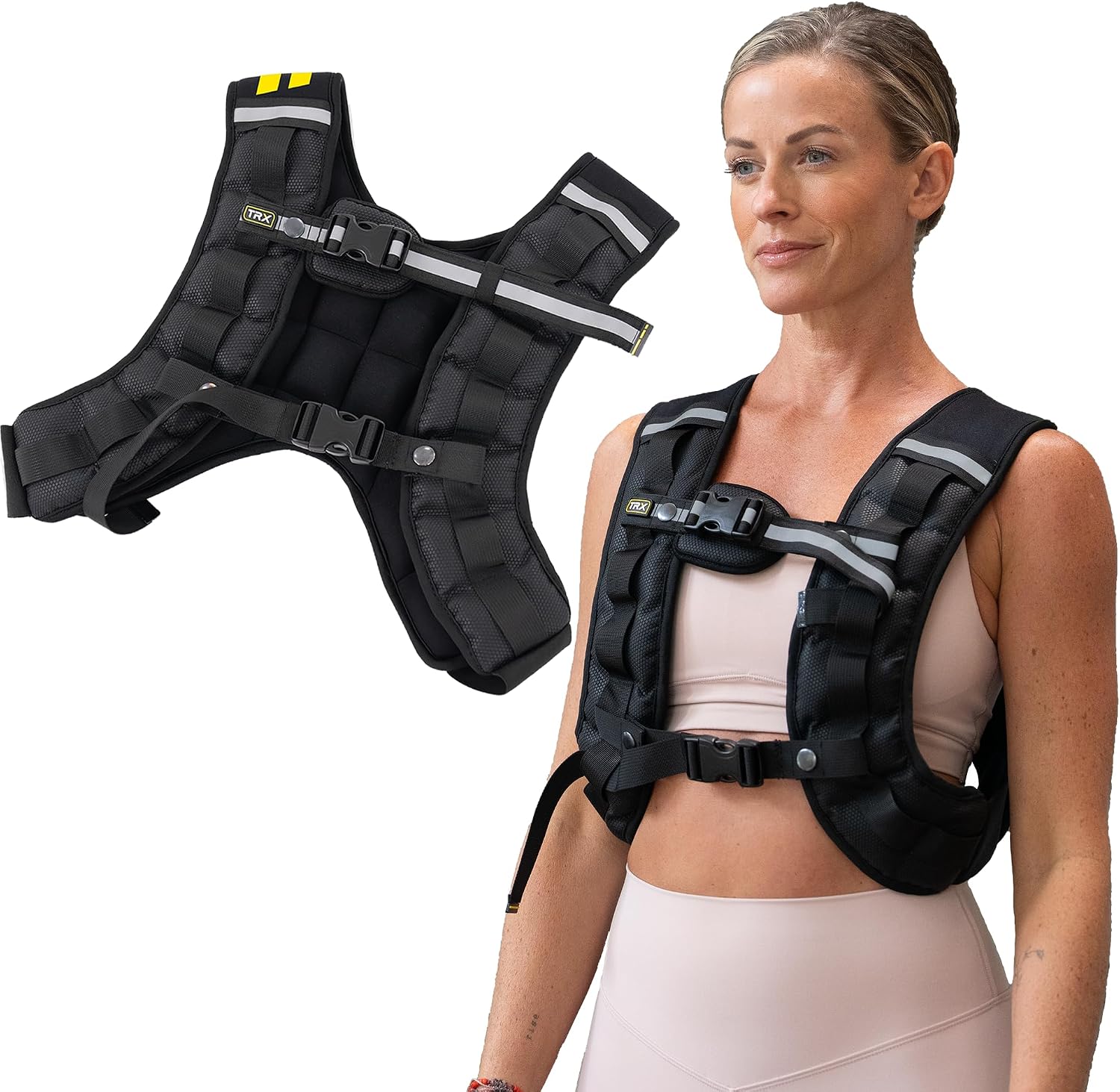
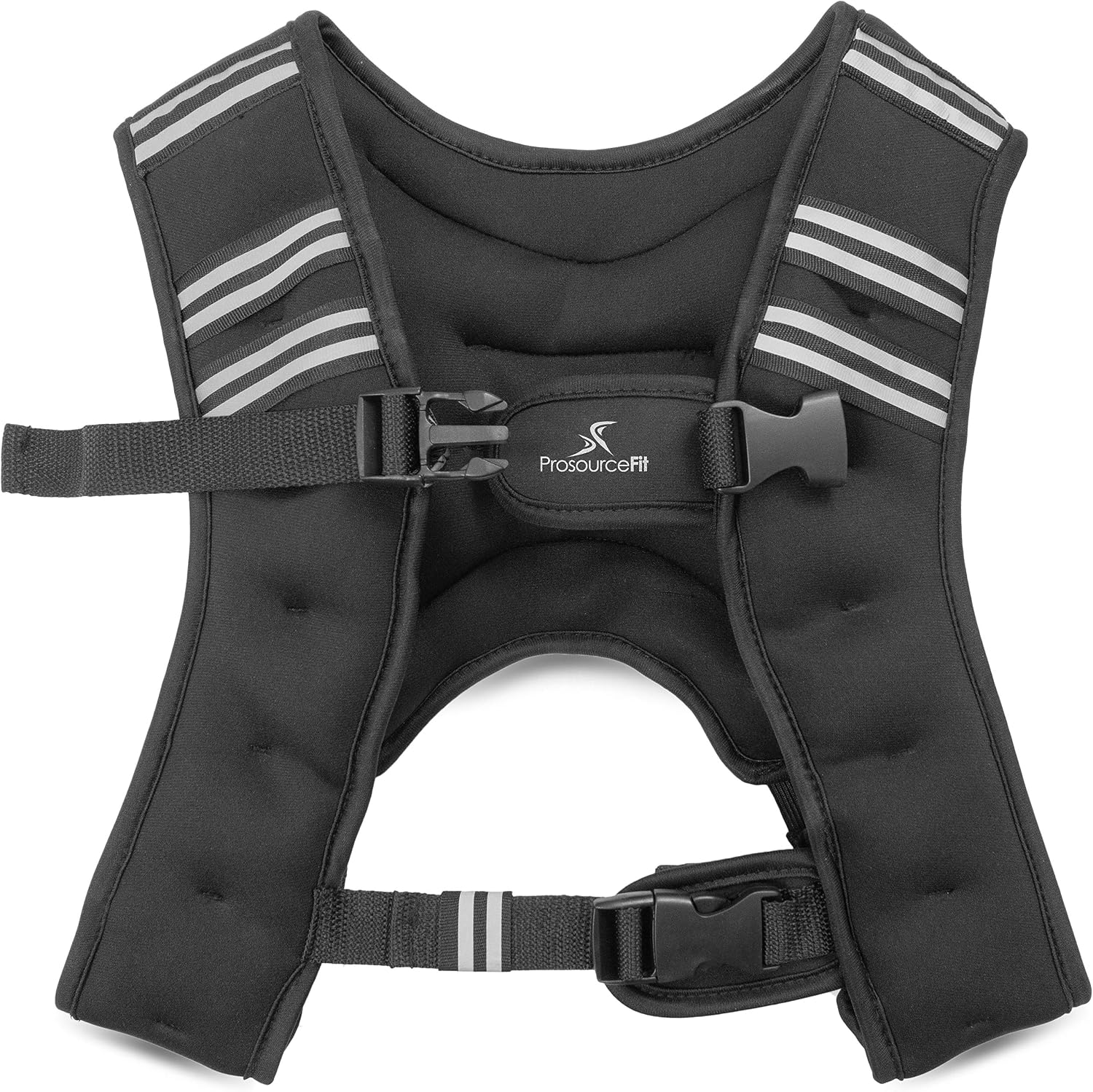
Weighted vests all promise the same thing — added resistance for walking, running, or strength work — but the fill type inside determines whether that resistance stays locked to your body or bounces around the moment you move fast. This guide breaks down what to check before buying, using three current models spanning $45 to $103 as concrete reference points.
Fill Type and Stability
Sand or iron-powder pouches are the most common fill in budget vests — they’re cheap to produce and distribute weight reasonably well at a standstill. The trade-off shows up in motion: without a rigid structure holding the fill in place, these vests shift and bounce once you move past a walk.
Plate-based designs, like removable metal bars, stay locked against the body because the weight is secured in a fixed position rather than sitting loose in a pouch. That structural difference is the single biggest factor in whether a vest feels stable during running or jumping.
When it matters: running intervals, jump training, or any fast, dynamic movement makes fill type the most important spec on the sheet.
When it doesn’t: walking, rucking, or standing strength work rarely generates enough motion for a sand-fill vest’s bounce to become a real problem.
Fill type predicts real-world stability far better than weight capacity or price alone.
Weight Range and Adjustability
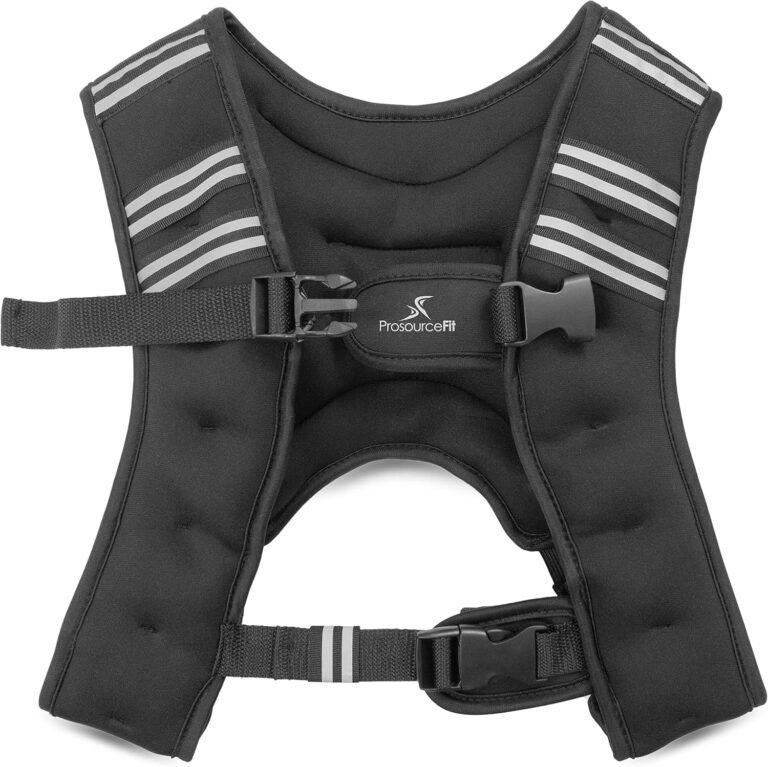
Vests come in two structures: fixed-weight models sold as separate units per weight (buy the 12 lb version, then a separate 20 lb version to progress), or adjustable vests that add or remove weight from a single unit. Fixed-weight lines like ZELUS span a wide range across the product family, while a single adjustable vest like the ProsourceFit or TRX HexGrip lets you dial in load without buying a second vest.
Total range matters too — a vest topping out at 20 lb suits most walking and general fitness use, while serious rucking or strength progression benefits from a vest that scales to 40 lb or beyond.
When it matters: anyone planning to progress load over months of training should prioritize a vest with real adjustability headroom.
When it doesn’t: if you already know your target weight and don’t plan to change it, a fixed-weight vest at the right size is simpler and often cheaper.
Buy for where your training is headed, not just where it is today — adjustability avoids a second purchase later.
Comfort and Fit
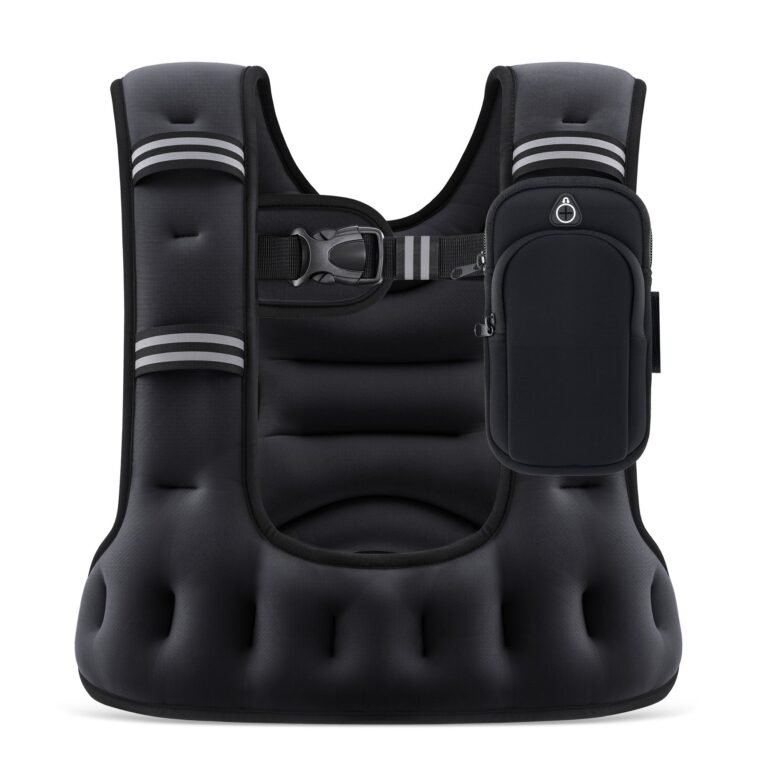
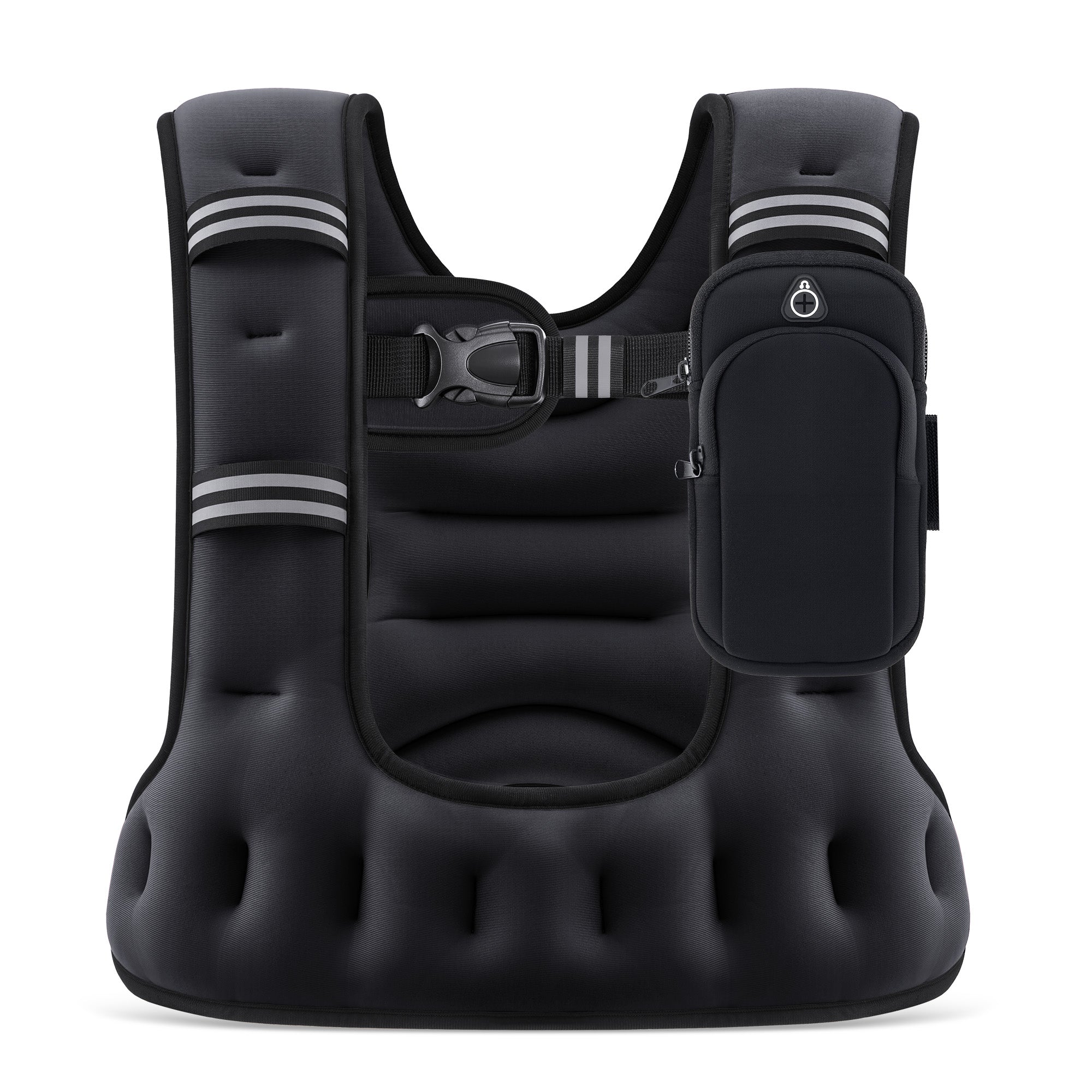
Neoprene and soft-shell materials reduce chafing over long sessions, while adjustable buckles accommodate a wider range of body types than a fixed-strap design. Reflective strips are common across the category and worth checking for anyone training outdoors early or late in the day.
Straps that stretch or slide over time are a recurring complaint on budget vests — a knot below the clip is a common workaround, but it’s worth reading recent owner feedback on strap durability before buying.
When it matters: longer sessions (30+ minutes) make chafing and strap slippage a real annoyance worth paying to avoid.
When it doesn’t: short daily walks or brief strength circuits rarely run long enough for minor comfort issues to matter much.
Check strap material and adjustability specifically — it’s the most common source of long-term comfort complaints.
| ZELUS (12 lb) | TRX HexGrip | ProsourceFit | |
|---|---|---|---|
| Price | $29.99 | approx. $103 | approx. $44.99 |
| Fill Type | Z-Fit soft iron | Removable metal bars | Sand inserts |
| Weight Range | 6-30 lb (fixed models) | 10-40 lb | 6-20 lb |
| Stays Secure While Running | No — bounces | Yes | No — shifts |
| Our Score | 4.0/5 | 4.4/5 | 4.0/5 |
Our Verdict
Fill type is the single most important spec here — the ZELUS and ProsourceFit vests both bounce or shift once movement speeds up, while the TRX HexGrip’s plate-bar design stays locked in place through running and jumping. Anyone doing dynamic training should pay the premium for that stability.
For walking, rucking, or standing strength work, the bounce issue rarely comes up — the ZELUS line’s wide weight range and the ProsourceFit’s low price both make sense for that kind of steady-state use.
Read Our ZELUS Weighted Vest Review → Read Our ZELUS Weighted Vest Review → Read Our TRX HexGrip Review → Read Our TRX HexGrip Review →
Which One Is Right for You?
Walking & Rucking
Bottom line: Amazon’s best-selling weighted vest line, with the widest weight range and proven comfort for walking and rucking.
Running & Dynamic Training
Bottom line: OutdoorGearLab’s top adjustable pick, with plate-bar construction that stays secure through running and jumping.
Best Budget
Bottom line: The most affordable of the three, with a 4.6-star Amazon rating and enough weight range for most general fitness use.
Frequently Asked Questions
Does a sand-fill vest bounce too much for running?
Is a cheaper vest like the ProsourceFit good enough for daily use?
How much weight range do I actually need?
What’s the difference between a fixed-weight and adjustable vest?
Is the TRX HexGrip worth three to four times the price of a sand-fill vest?