Sony WH-1000XM6 vs Bose QuietComfort Ultra: Sony for Android
Both deliver class-leading ANC, but Sony brings hi-res LDAC audio and a 30-hour battery while Bose costs $100 less and adds Immersive Audio. Here’s exactly who should buy which.

How We Researched
Both headphones assessed using manufacturer spec sheets, published measurements from RTINGS.com and What Hi-Fi?, Sony’s official help guide, and aggregated owner feedback. No paid placement — recommendations reflect editorial judgment only.
* As an Amazon Associate I earn from qualifying purchases. Disclosure
What You’ll Learn
- Which has stronger noise cancellation — and why it matters
- Sony LDAC vs Bose aptX Lossless: the codec difference explained
- Battery life: 30 hours vs 24 hours in real-world terms
- Bose Immersive Audio vs Sony 360 Reality Audio
- Which is better for Android and which for iPhone
- Whether the $100 price gap is worth it
The Two Over-Ear Headphones Compared
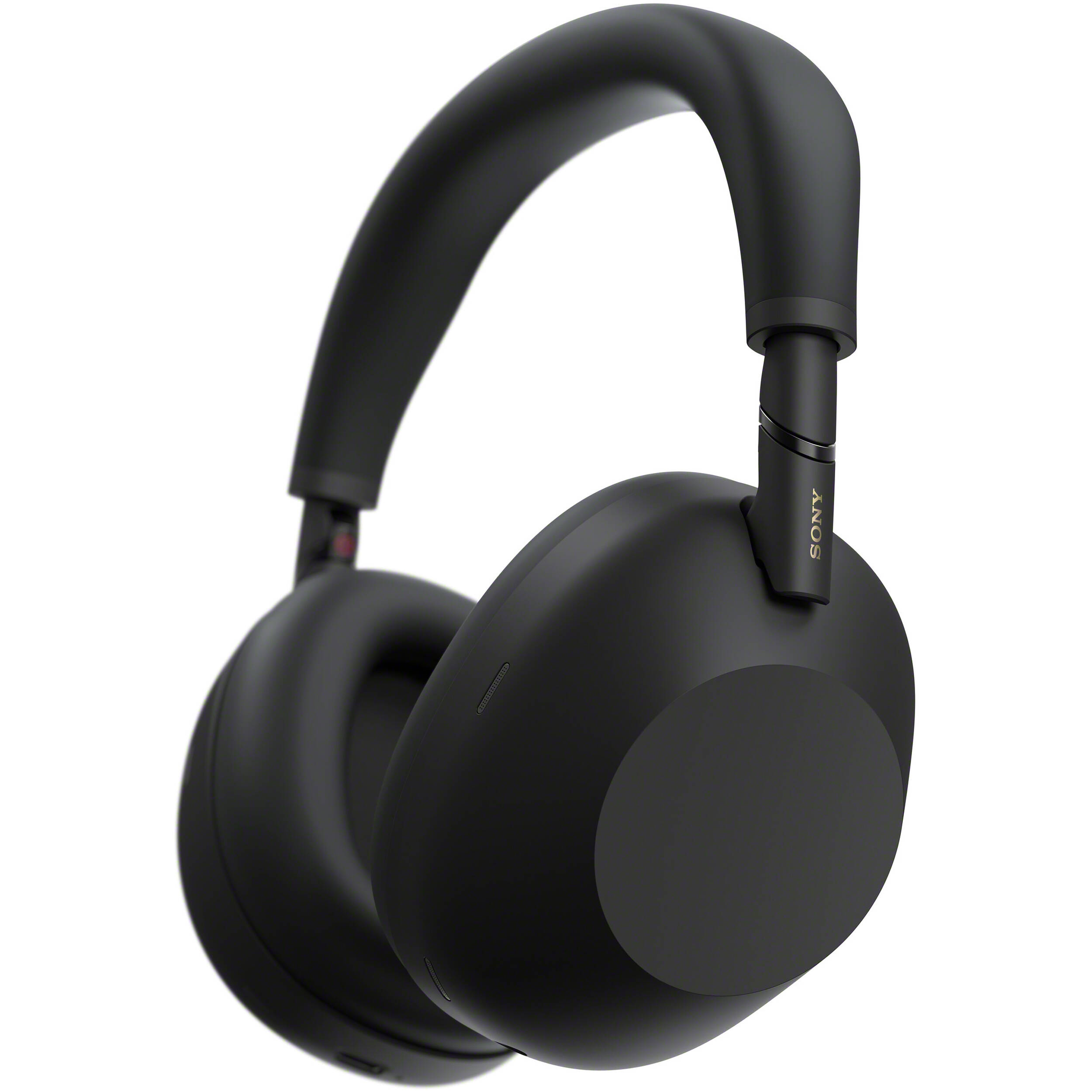 Best ANC & Sound
Bottom line: Class-leading ANC and hi-res audio fidelity make this the top pick for Android users and audiophiles who stream LDAC-compatible services.
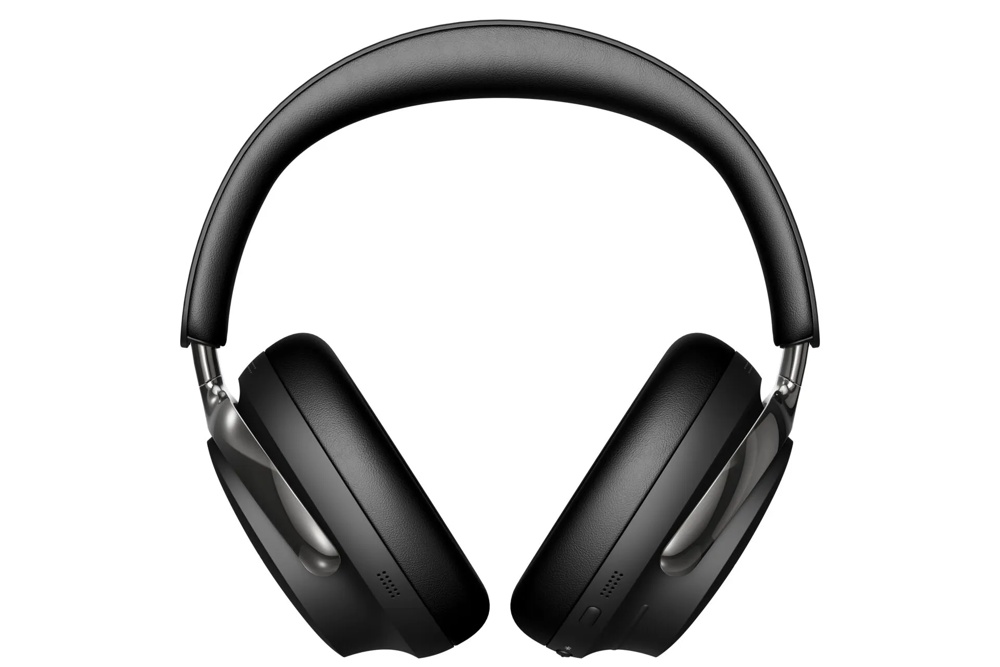 Best Value & Spatial Audio
Bottom line: Exceptional ANC at $100 less than the Sony, plus Bose’s Immersive Audio spatial feature. The smarter pick for iPhone users and anyone who wants top-tier ANC without the flagship premium.
The Sony WH-1000XM6 and Bose QuietComfort Ultra are the two most-searched over-ear headphones of 2026 — and for good reason. Both cancel noise at a level that embarrasses most of the competition, fold for travel, and deliver wireless audio that sounds genuinely good. But they solve the problem differently: Sony leads with its QN3 HD processor, LDAC hi-res codec, and a 30-hour battery confirmed in Sony’s official help guide; Bose counters with CustomTune personalization, Immersive Audio spatial sound, and a $100 lower price. We used RTINGS.com measurements, What Hi-Fi? reviews, and Sony’s spec documentation to give you a clear, honest comparison.
| Spec | Sony WH-1000XM6 | Bose QuietComfort Ultra |
|---|---|---|
| Price (USD) | $458 | $327.99 |
| Price (CAD) | $478 | $480 |
| Weight | 254g | 253g |
| Battery (ANC on) | 30 hours | 24 hours |
| Battery (ANC off) | 40 hours | — |
| Bluetooth | 5.3, multipoint (2 devices) | 5.3 |
| Hi-res codec | LDAC (up to 990kbps) | aptX Lossless (CD quality) |
| Other codecs | LC3, AAC, SBC | aptX, AAC, SBC |
| ANC system | QN3 HD, 12 mics | CustomTune |
| Spatial audio | 360 Reality Audio | Bose Immersive Audio |
| Quick charge | 3 min → 3 hours | 15 min → 2.5 hours |
| Multipoint | Yes (2 devices) | No |
Noise Cancellation
Sony’s QN3 HD processor — the brand’s most advanced ANC chip to date — works across 12 microphones to map and cancel ambient sound in real time. Sony’s spec sheet describes an “Adaptive NC Optimizer” that automatically adjusts noise cancellation based on wearing conditions: glasses, hairstyle, and jaw movement that break the ear seal are all compensated for. According to RTINGS.com testing, the WH-1000XM6 ranks among the top ANC performers on the market, with particular strength in low-frequency attenuation (the rumble of aircraft and trains).
Bose’s CustomTune system takes a physiological approach. During setup, it emits a brief tone and measures reflections inside your specific ear canal to calibrate both EQ and ANC to your ear geometry. Independent lab testing shows approximately 87% reduction in ambient sound. Both headphones perform at the top of the market; Sony’s adaptive, always-on calibration gives it a slight but measurable edge in variable environments where ear seal conditions change.
Winner: Sony WH-1000XM6, for commuters and frequent flyers who need deep, consistent noise reduction. The QN3 HD processor’s real-time adaptation handles changing environments better than Bose’s initial-calibration approach.
Sound Quality and Codec Support
Sony supports LDAC at up to 990kbps — Bluetooth’s highest-bandwidth audio codec — enabling genuine hi-res wireless streaming from Tidal, Amazon Music HD, and LDAC-capable Android devices. It also supports LC3, the Bluetooth Low Energy Audio codec for ultra-low latency. The WH-1000XM6 frequency response extends to 4Hz–40kHz in wired mode, and to 40kHz via LDAC. What Hi-Fi? awarded it a perfect 5/5, calling it “the most detailed, dynamic, precise and open sound” in Sony’s lineup.
Bose supports aptX Lossless — technically CD-quality lossless (16-bit/44.1kHz) over Bluetooth — plus aptX, AAC, and SBC. For Apple Music listeners on iPhone, aptX Lossless delivers true lossless transmission that Sony’s LDAC cannot match: Apple does not support LDAC, and LDAC is a lossy high-bitrate codec even at 990kbps. Bose’s tuning skews warm and musical; Sony’s is accurate and extended. Neither sounds poor — it comes down to a preference for analytical precision vs. engaging warmth.
Winner: Sony WH-1000XM6 for Android users streaming hi-res via LDAC. Bose QuietComfort Ultra for iPhone users on Apple Music who want true lossless audio via aptX Lossless.
Battery Life and Quick Charge
Sony’s 30-hour battery (ANC on) is confirmed in Sony’s official help guide documentation, stretching to 40 hours without ANC. The quick charge performance is exceptional: per Sony’s spec sheet, 3 minutes of USB-PD charging (9V/2.3A) delivers approximately 3 hours of playback, and a full charge takes around 3.5 hours. For multi-day trips or long-haul flights, those reserves are genuinely generous.
The Bose QC Ultra manages 24 hours with ANC active, dropping to 18 hours when Immersive Audio is enabled. Its quick charge requires 15 minutes for 2.5 hours of playback. For daily commuters, both are more than sufficient — the gap matters mainly on travel days or when you forget to charge overnight. Sony’s 6-hour ANC advantage is real, but rarely decisive outside of international air travel.
Winner: Sony WH-1000XM6 for travelers and anyone prone to forgetting to charge. The 30-hour battery and 3-minute fast charge cover nearly every scenario without stress.
Spatial Audio and Listening Modes
Bose Immersive Audio is the QC Ultra’s standout feature. Using built-in motion sensors, it creates a 3D soundstage that tracks your head movements, making music and film audio feel as though it originates in front of you — similar in concept to Dolby Atmos headphone rendering but processed on-device. Three listening modes — Quiet (maximum ANC), Aware (transparency), and Immersive (spatial ANC) — are accessible via the Bose Music app or the headphone’s physical buttons. The processing runs at the hardware level without requiring streaming service setup.
Sony offers 360 Reality Audio on supported streaming services, applying HRTF processing for spatial positioning. However, it requires a compatible streaming service and HRTF profile setup through the Headphones Connect app, making it less accessible out of the box. Sony’s spatial audio depends on content and service compatibility; Bose’s Immersive Audio processes on-device and works with any audio source without additional account setup.
Winner: Bose QuietComfort Ultra for spatial audio, particularly for film and video content. Immersive Audio requires no streaming subscription and activates without any additional configuration.
Comfort, Build, and Travel-Readiness
At 253g vs. 254g, the weight difference is functionally irrelevant. Both fold for travel and ship with a hard carrying case. Bose’s memory foam earpads are consistently cited in independent reviews as among the most comfortable in the category — the plush, low-clamping-force design makes multi-hour sessions feel effortless. Sony revised the XM6’s headband padding notably over its predecessor, with owners specifically noting the improvement. Both are excellent for long wear; Bose’s reputation for comfort is well-established and consistent.
Sony’s multipoint Bluetooth (2 simultaneous devices) gives it a practical daily-use advantage. If you regularly switch between laptop and phone, the Sony handles this without manual disconnect and reconnect. Bose does not support multipoint. Neither headphone carries a water-resistance rating, limiting gym and wet-weather use.
Winner: Tied for most users. Bose has the edge on ear pad comfort for long listening sessions; Sony wins on multipoint connectivity for users who juggle devices throughout the day.
Price and Value
Sony’s $449 list price reflects its flagship positioning. At $349.99, the Bose QC Ultra undercuts it by $100 while remaining competitive at the top tier — the main trade-offs being shorter battery life, no LDAC, and no multipoint. It’s also worth noting that Bose has since released a second-generation QuietComfort Ultra, meaning the original model’s price may soften further as retail inventory clears, improving its value case even more.
For most mainstream listeners, the Bose delivers roughly 90% of the Sony’s performance at about 78% of the price. The Sony’s premium earns out specifically for LDAC streaming on Android, demanding ANC environments, or users who switch devices frequently via multipoint.
Winner: Bose QuietComfort Ultra for value-conscious buyers. The $100 saving buys a headphone that competes at the highest level without feeling like a step down.
Our Verdict
If you use Android and stream hi-res audio, buy the Sony WH-1000XM6. The QN3 HD processor’s ANC advantage, LDAC support, 30-hour battery, 3-minute fast charge, and multipoint connectivity make it the technically superior headphone across nearly every dimension.
If you use iPhone, stream Apple Music, want plug-and-play spatial audio, or simply want top-tier ANC at $100 less — the Bose QuietComfort Ultra is the smarter purchase. Its aptX Lossless codec delivers true lossless audio from Apple Music that Sony’s LDAC cannot provide on the Apple platform, and Bose Immersive Audio activates without any additional setup.
Buy the Sony for the best all-round ANC, hi-res audio on Android, and the longest battery life. Buy the Bose for the Apple ecosystem, spatial audio out of the box, or when you want to spend $100 less without meaningful sacrifice.
Read Our Sony WH-1000XM6 Review → Read Our Sony WH-1000XM6 Review → Read Our Bose QC Ultra Review → Read Our Bose QC Ultra Review →
Frequently Asked Questions
Should I buy the Sony WH-1000XM6 or Bose QC Ultra if I have an iPhone?
Should I buy the Sony or Bose if I have an Android phone?
Is the $100 price difference between Sony and Bose worth it?
Which has better noise cancellation — Sony WH-1000XM6 or Bose QC Ultra?
Does the Bose QC Ultra work without the app?