Google Pixel 10 Pro vs OnePlus 15: Which Flagship Should You Buy in 2026?
Two of 2026’s best-value Android flagships take very different approaches — one leads on cameras and software longevity, the other on battery life and raw speed.

How We Researched
Comparison built from published manufacturer specifications, Amazon and Amazon.ca listings, and testing findings reported by Android Authority and Android Central. No paid placement — badges and scores reflect editorial judgment only.
* As an Amazon Associate I earn from qualifying purchases. Disclosure
What You’ll Learn
- Which phone actually has the better camera system
- Why the OnePlus 15’s battery and charging are in a different class
- How the two displays compare on refresh rate vs brightness
- Which chipset wins on performance and AI features
- Which phone gets more years of software support
- Which one is actually cheaper — the answer may surprise you
The Two Flagships Compared
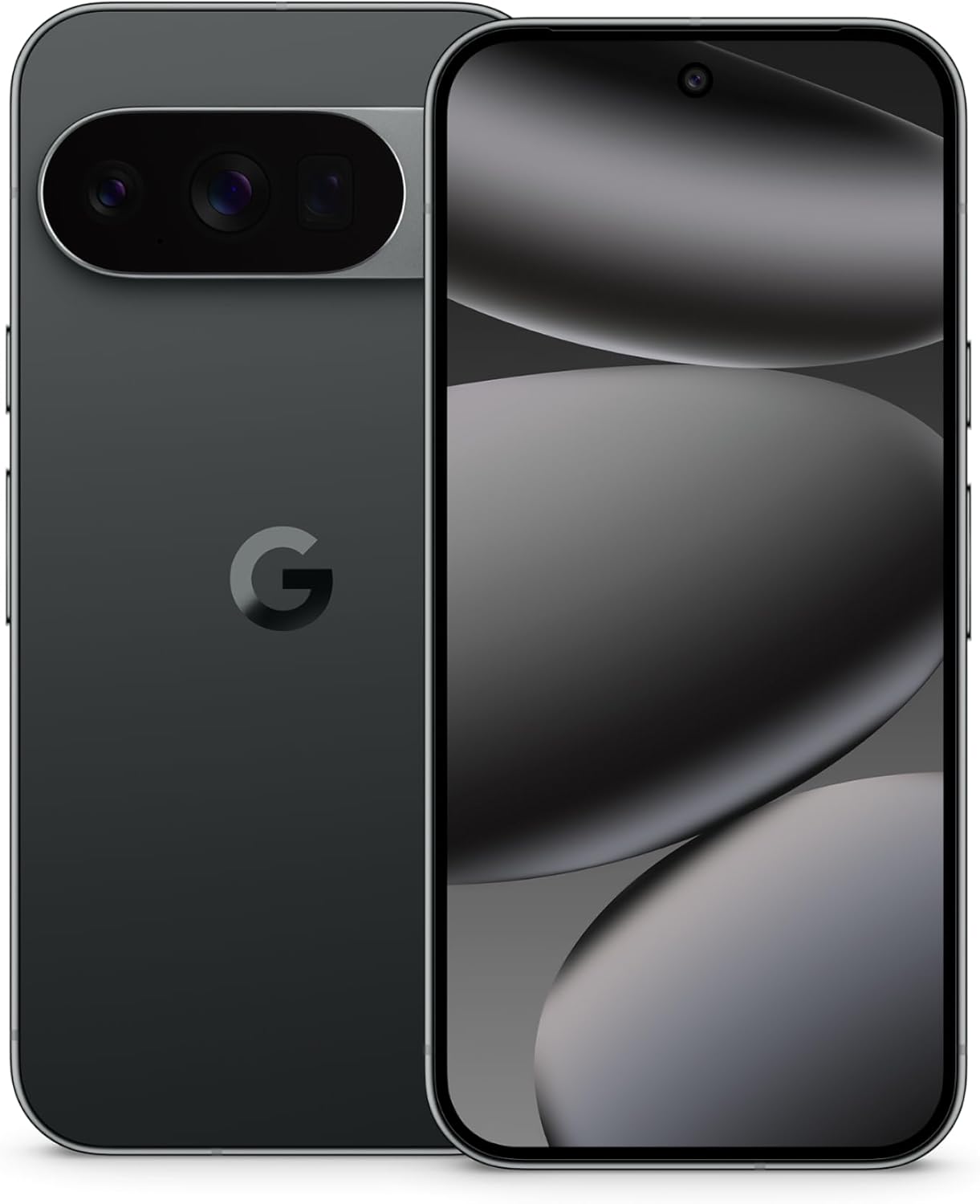 Best Camera & AI
Bottom line: The strongest computational photography and the longest software support window in Android, in a compact body — and it’s the cheaper phone of the two.
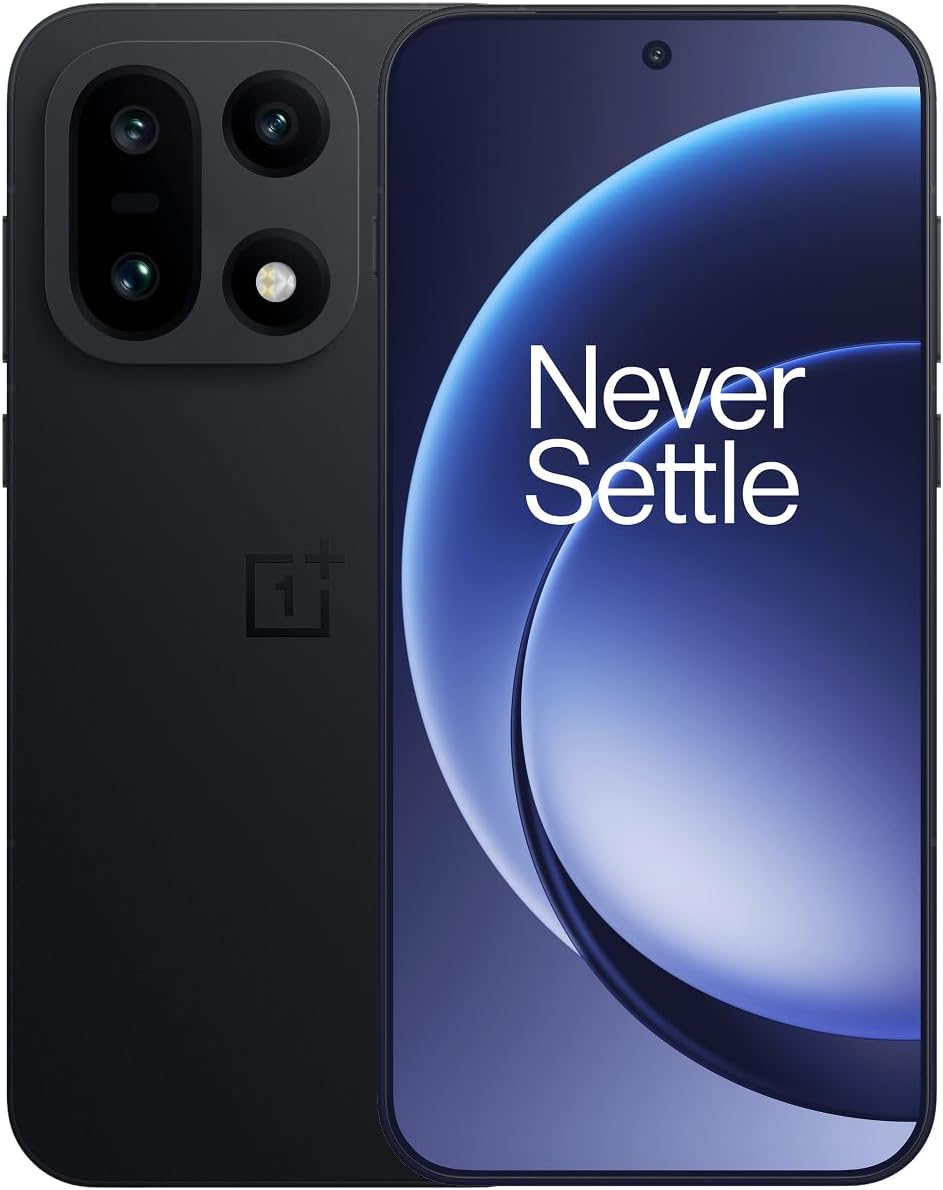 Best Battery & Speed
Bottom line: Close to two days of battery life and a full charge in about 30 minutes — built for buyers who charge in short bursts and don’t want to think about it.
Choosing between the Google Pixel 10 Pro vs OnePlus 15 comes down to one question: do you value camera quality and long-term software support, or battery life and raw speed? Both are genuine 2026 flagships priced well below Samsung’s Galaxy S26 Ultra and Apple’s iPhone 17 Pro, but they’re built around opposite priorities — we compared specs, pricing on both Amazon storefronts, and testing findings from Android Authority and Android Central to see which one actually wins where it matters.
| Spec | Google Pixel 10 Pro | OnePlus 15 |
|---|---|---|
| Price (USD) | $914.99 | $979 |
| Price (CAD) | $999 | $1,299 |
| Display | 6.3″ 120Hz OLED, 3300 nits | 6.78″ 165Hz AMOLED, 1800 nits |
| Chipset | Tensor G5 | Snapdragon 8 Elite Gen 5 |
| Rear cameras | 50MP + 48MP + 48MP, 100x Pro Res Zoom | 50MP + 50MP + 50MP, 3.5x optical |
| Battery | 4,870 mAh | 7,300 mAh |
| Charging | 30W wired / 15W wireless | 120W wired / 50W wireless |
| OS updates | 7 years | 4 years (6 years security) |
| Build | IP68 | IP68 / IP69K |
| Our score | 4.6/5 | 4.5/5 |
Cameras & Photography
The Pixel 10 Pro’s 50MP main sensor is paired with a 48MP periscope telephoto that reaches 5x optically and extends to a 100x Pro Res Zoom using the Tensor G5’s generative reconstruction. Android Authority describes Google’s Night Sight as remaining the gold standard for low-light photography, and the Pixel’s long-standing strength is consistency — point-and-shoot results that need little editing.
The OnePlus 15 fits its own triple 50MP system, including a 50MP periscope telephoto at a true 3.5x optical zoom. It’s a consistent, versatile setup for everyday shooting, but OnePlus sits behind the class leaders on computational polish — low-light consistency and extreme telephoto reach still favor the Pixel and Galaxy camera pipelines.
Winner: Google Pixel 10 Pro, for anyone who photographs regularly — the zoom reach and low-light consistency are a real, visible gap over the OnePlus.
Battery Life & Charging
This is where the OnePlus 15 pulls decisively ahead. Its 7,300 mAh silicon-carbon battery is one of the largest in any mainstream flagship, and Android Central reports it routinely delivers close to two full days of use on a single charge. Charging is just as aggressive — 120W wired refills the pack from empty in roughly half an hour, and 50W wireless outpaces what most rivals manage even over a cable.
The Pixel 10 Pro’s 4,870 mAh battery is rated by Google for 24+ hours of typical use — a comfortable full day, but nowhere near the OnePlus’s endurance. Its 30W wired and 15W wireless charging are also noticeably slower to top up.
Winner: OnePlus 15, by a wide margin — for anyone who has ever reached for a power bank by mid-afternoon, this is the deciding spec.
Display: Refresh Rate vs Brightness
The OnePlus 15’s 6.78-inch LTPO AMOLED runs at up to 165Hz, higher than the Pixel’s 120Hz, which makes scrolling and gaming feel noticeably more fluid. It’s also the larger panel at 6.78 inches versus the Pixel’s more compact 6.3 inches.
The Pixel 10 Pro answers back with brightness: its 3,300-nit peak is nearly double the OnePlus’s roughly 1,800 nits, which matters directly outdoors in bright summer sun. For most indoor use the gap is minor, but it’s a real, visible difference when you’re reading a screen outside at midday.
Winner: Split — OnePlus 15 for smoother scrolling and gaming, Pixel 10 Pro for outdoor visibility. Neither display is a weakness; it’s a genuine trade-off.
Performance & AI Features
The OnePlus 15 runs Qualcomm’s Snapdragon 8 Elite Gen 5, the same top-tier 3nm silicon found in Samsung’s Galaxy S26 Ultra, backed by up to 16GB of RAM and a redesigned cooling system built to hold peak clocks longer during extended gaming sessions.
The Pixel 10 Pro’s Tensor G5 isn’t built to chase benchmark charts — its strength is on-device Gemini AI. Android Authority singles out the Pixel as offering the most helpful AI on a phone for everyday productivity: call assistance, on-device summarization, and photo editing tools like Magic Editor and Best Take.
Winner: OnePlus 15 for raw performance and sustained gaming; Pixel 10 Pro for on-device AI features that are actually useful day to day. Pick based on which you’ll use more.
Software Support & Longevity
Google commits to 7 years of OS and security updates on the Pixel 10 Pro, meaning a phone bought in 2026 stays supported into the early 2030s — among the longest update windows in the entire Android market, and a real factor in resale value and how long you’ll want to keep it.
The OnePlus 15 ships with 4 years of OS updates and 6 years of security patches — solid by past OnePlus standards, but well short of the Pixel’s commitment.
Winner: Google Pixel 10 Pro, decisively. Three extra years of OS updates is a meaningful gap if you plan to keep your phone a while.
Price & Value
It’s a common assumption that the “value” flagship costs less — but here the Pixel 10 Pro is actually the cheaper phone in both markets: roughly $749 vs the OnePlus 15’s $799 in the US, and $999 CAD vs $1,299 CAD in Canada. The OnePlus’s value proposition isn’t a lower sticker price; it’s more raw hardware — battery capacity and charging speed — for a slightly higher cost.
Winner: Google Pixel 10 Pro on price alone. If you’re deciding purely on cost, it’s both the cheaper and the higher-rated phone of the two.
Our Verdict
For most buyers, the Google Pixel 10 Pro is the easier recommendation: it’s the cheaper phone, has the stronger camera system, and gets three more years of software updates — a combination that’s hard to argue with unless battery anxiety is a real problem for you.
Choose the OnePlus 15 instead if you’ve ever run out of battery mid-day, hate waiting around to charge, or want the fastest-feeling display for gaming — its 7,300mAh battery and 120W charging solve a real, everyday frustration that the Pixel doesn’t.
Buy the Pixel 10 Pro if you want the best camera and the longest software runway for less money. Buy the OnePlus 15 if all-day-and-then-some battery life and blazing-fast charging matter more to you than saving $50.
Read Our Google Pixel 10 Pro Review → Read Our Google Pixel 10 Pro Review → Read Our OnePlus 15 Review → Read Our OnePlus 15 Review →
Frequently Asked Questions
Which should I buy if camera quality matters most to me?
Which phone has better battery life?
Is the OnePlus 15 actually the cheaper phone?
Which phone gets more software updates?
Does the OnePlus 15’s higher refresh rate make its screen better overall?