Best TVs for Every Room and Budget (2026)
From a budget-friendly Mini-LED to RTINGS’ top-rated OLED of the year, here’s how three of 2026’s most-discussed TVs stack up — and which room each one actually belongs in.

How We Researched
Three TVs evaluated across three distinct price tiers and use cases, cross-checked against RTINGS, TechRadar, and Tom’s Guide lab measurements plus verified manufacturer specs. No manufacturer paid for placement — badges and scores reflect editorial judgment only.
What You’ll Learn
- Which TV RTINGS actually crowned its top set of the year — and why
- How much Mini-LED contrast you can get for under $600
- Whether an art-mode “lifestyle” TV can hold its own as a real gaming display
- What each TV trades away to hit its price point
- Which pick fits a bright living room vs. a dedicated dark home theater
The ranking
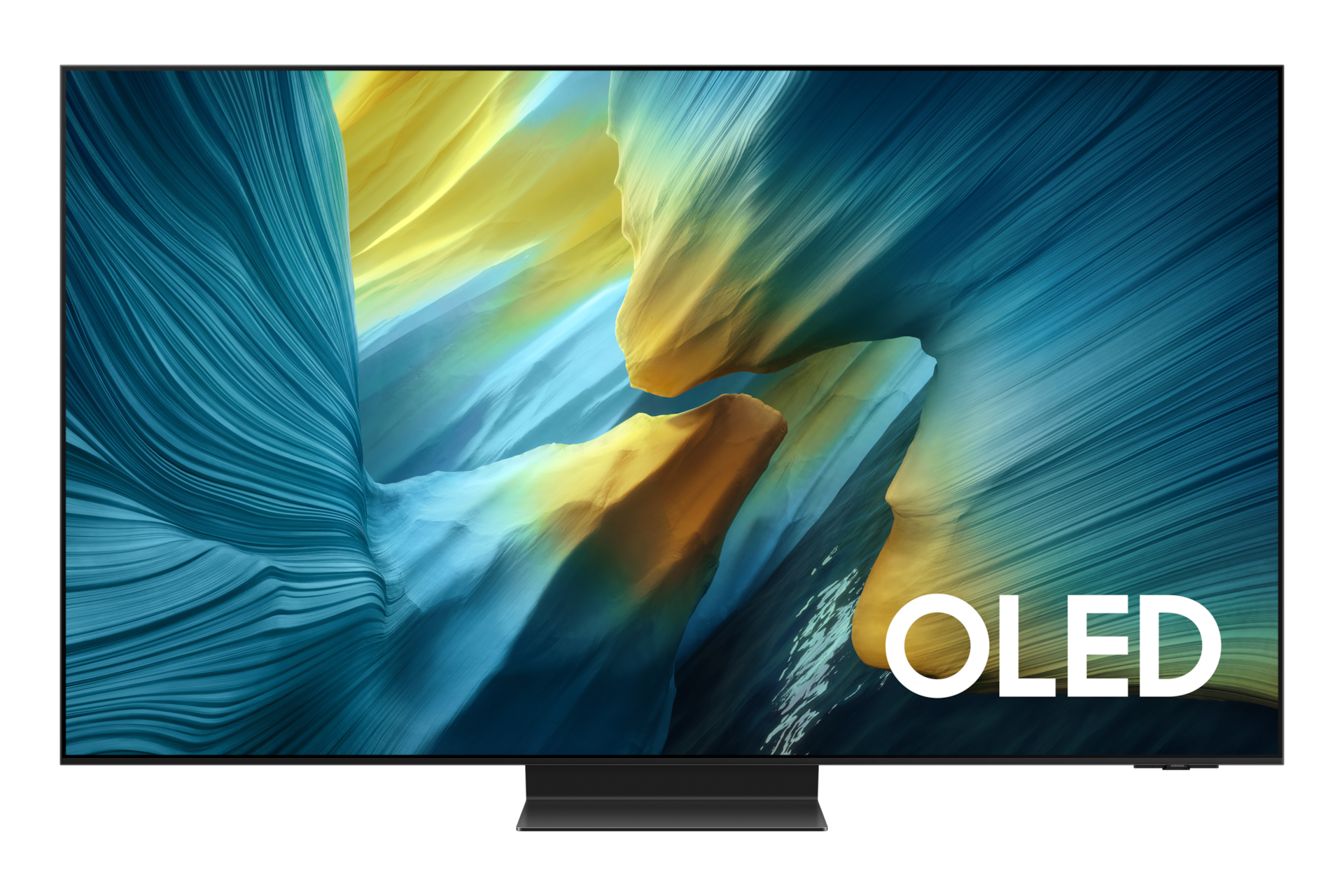
RTINGS’ top-rated TV of 2026 — a QD-OLED panel hitting ~2,300 nits with a glare-fighting coating built for bright rooms.

500-zone Mini-LED dimming and a native 144Hz panel for a fraction of the S95F’s price.
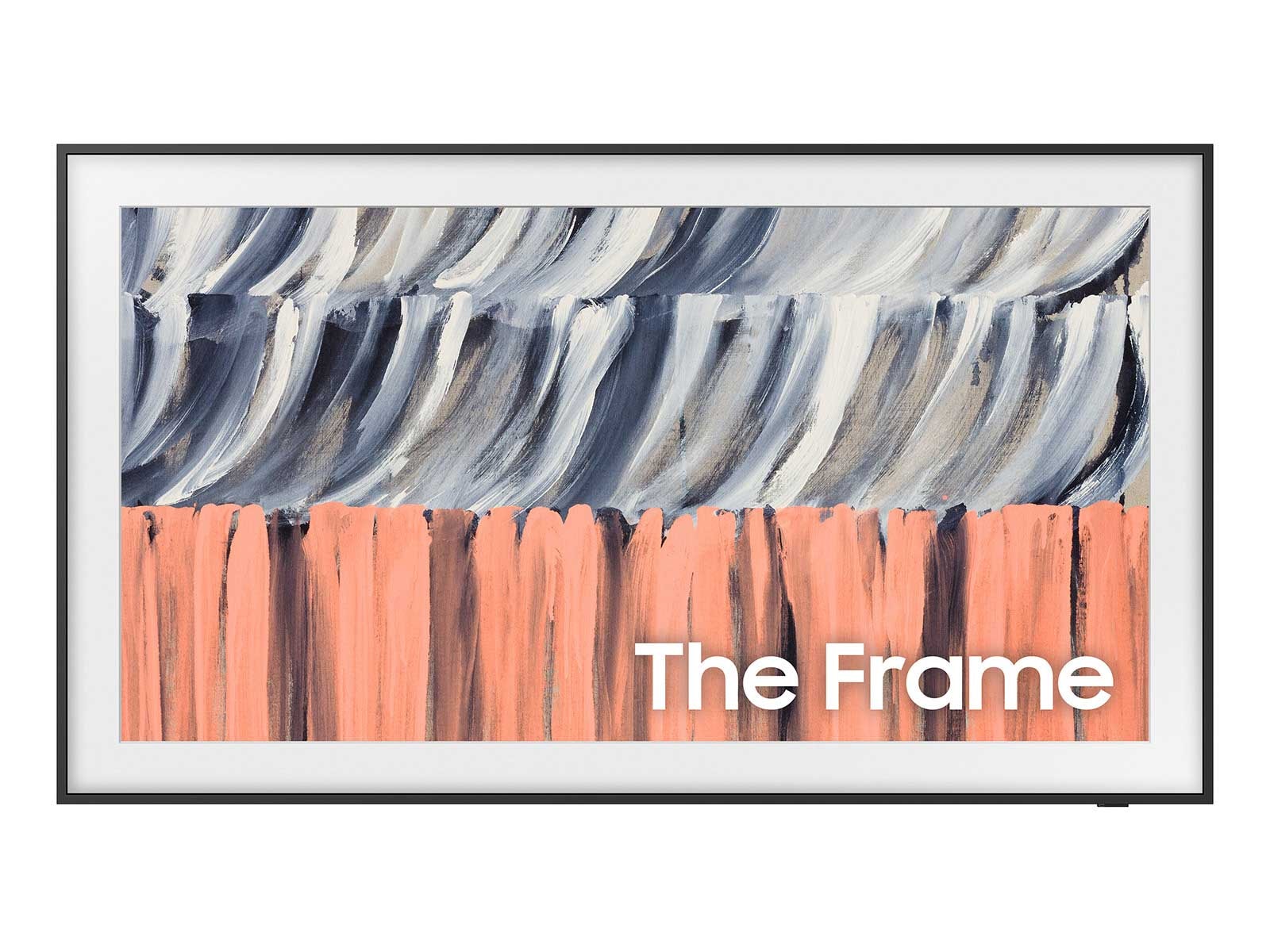
A matte, canvas-like display built to disappear as art — now with a 144Hz panel that finally holds its own for gaming too.
Buying a TV in 2026 means picking a lane, not just a size — the best TVs for movie night, for a bright living room, and for a wall you want to look good when the screen is off are three genuinely different sets. We looked at three of the year’s most-discussed TVs, one from each lane, to help match the right pick to the room it’s actually going in.
1. Samsung S95F OLED TV — Best Overall
RTINGS named the S95F its top-rated television of 2026, and the headline reason is brightness: the QD-OLED panel measured roughly 2,300 nits in HDR peaks in RTINGS’ lab, well above the 1,000–1,300 nit range typical of last year’s flagship OLEDs. Samsung pairs that with Glare-Free 2.0, a reworked anti-reflective coating that keeps the picture watchable in a sunlit living room — traditionally OLED’s weak spot next to Mini-LED sets like the QM6K below.
Gamers get a real upgrade too: all four HDMI ports run full-bandwidth HDMI 2.1 and the panel hits 165Hz, ahead of the 120–144Hz ceiling on most 2025-generation OLED rivals. The trade-off is format support — Samsung skips Dolby Vision in favor of HDR10+, so part of a Dolby Vision-heavy Netflix or Disney+ library won’t get the dynamic metadata the panel is otherwise capable of.
Best for: anyone who wants the brightest, most daylight-usable OLED picture available at 55 inches and doesn’t mind trading Dolby Vision for HDR10+.
2. TCL QM6K — Best Budget Pick
A 65-inch Mini-LED television with 500 local dimming zones for around $550 would have been unthinkable a few years ago, and that’s exactly the pitch behind TCL’s QM6K. TechRadar and Tom’s Guide both measured HDR peak brightness around 695 nits — a step behind Hisense’s pricier U7N, but well ahead of anything else at this price. The panel also runs a native 144Hz, and Tom’s Guide clocked input lag at 13.1ms, numbers that beat most TVs in its price class on paper.
The catch is sound: TechRadar was blunt that “the built-in speakers aren’t that great,” so anyone using the QM6K for movies or music beyond casual streaming should budget for a soundbar. Google TV’s interface is fast and easy to navigate, which helps make up for the audio shortfall day to day.
Best for: shoppers who want real Mini-LED contrast and a 144Hz panel for gaming without paying flagship prices.
3. Samsung The Frame TV — Best for Style & Art Mode
The Frame has owned the “looks-like-art, not-a-TV” category since 2017, and the 2026 refresh (model LS03HE) keeps the matte, glare-free display that makes Art Mode read as a real canvas print rather than an obviously lit-up screen. Samsung’s Art Store now carries more than 5,000 curated works, and built-in motion sensors wake the display when someone enters the room instead of running on a fixed timer.
What’s new for 2026 is that it finally competes on gaming terms too: all four HDMI ports now support 4K at up to 144Hz with AMD FreeSync Premium, a real change from past Frame generations that treated gaming as an afterthought. The trade-off is brightness — without Mini-LED backlighting, dark scenes and shadow detail won’t show the same depth as the pricier Frame Pro or the S95F above.
Best for: anyone who wants a genuinely convincing art-mode TV on the wall without paying Frame Pro prices, and doesn’t need reference-level dark-scene contrast.
Quick Comparison
| Samsung S95F | TCL QM6K | Samsung The Frame | |
|---|---|---|---|
| Price | $2,199 approx. | $549.99 (65″, as tested) | $937.95 |
| Panel Type | QD-OLED | QD-Mini LED | QLED, no local dimming |
| Peak HDR Brightness | ~2,300 nits | ~695 nits (tested) | ~500–600 nits |
| Refresh Rate | 165Hz | 144Hz | 144Hz, FreeSync Premium |
| Standout Feature | Brightest OLED tested this year | Mini-LED contrast under $600 | Art Mode / gallery display |
| Our Score | 4.6/5 | 4.0/5 | 4.1/5 |
The Final Word
None of these three TVs is trying to be all three things at once, which is exactly why they’re worth putting side by side. The S95F is the one to buy if picture quality is the whole point — RTINGS didn’t call it the best TV of the year by accident. The QM6K proves you don’t need a four-figure budget to get real Mini-LED contrast and a gaming-ready 144Hz panel. And the Frame is for the room where the TV needs to disappear into the wall when nobody’s watching it.
Browse all Tech & Gadgets reviews →Tech & Gadgets reviews → for more TVs, soundbars, and home theater gear we’ve covered.
Frequently Asked Questions
Is the Samsung S95F worth the extra cost over the TCL QM6K?
Can the Samsung The Frame TV double as a good gaming TV?
Does the Samsung S95F support Dolby Vision?
Why doesn’t the TCL QM6K sound as good as it looks?
Which of these TVs is best for a bright living room?