How to Test and Replace Your Car’s Wiper Blades: A Step-by-Step Guide (2026)
Streaking, skipping, or squeaking wipers usually mean it’s time for new blades — not a new windshield. Here’s how to check yours and swap them in about 15 minutes.

How We Researched
Steps and wear signs drawn from O’Reilly Auto Parts and TRICO Products, cross-checked against our own wiper blade reviews. No manufacturer paid for placement.
What You’ll Learn
- How to spot cracked, torn, or hardened rubber
- How to test for streaking, skipping, and chatter
- How to confirm the correct blade size for each side
- How to release and remove the old blade
- How to attach and lock in a new blade
- How to lower the arm and test the fresh wipe
3 products referenced in this guide

Wondering how to test and replace wiper blades without guessing at the wrong size or cracking your windshield? It’s a 15-minute job with no tools, but skipping the inspection step is why so many drivers replace blades that were fine, or drive months longer than they should on ones that weren’t.
Check for Cracked, Torn, or Hardened Rubber
Start with a visual inspection at least once a month, and always before a long trip. Lift each blade away from the glass into its “service position” and run a finger along the rubber edge, feeling for cracks, tears, or spots where the rubber has pulled away from the frame. Per O’Reilly Auto Parts, rubber that feels stiff or hard rather than pliable has already lost the flexibility it needs to hold an even seal against curved glass, even if it looks intact from a few feet away.
Test Wiper Performance on the Windshield
With the wipers still attached, spray the windshield with washer fluid and run them through a few full cycles. Streaking, skipping over sections of glass, or a distinct chattering noise all point to a blade that’s no longer making even contact — chattering in particular usually means the rubber edge is being dragged across the glass instead of gliding cleanly. If either blade leaves a hazy film or misses the same spot every pass, that’s a worn edge, not a dirty windshield.
Confirm Your Blade Size Before Buying
Driver and passenger side blades are frequently different lengths on the same car, so check your owner’s manual, an auto-parts store’s fitment lookup, or simply measure your current blades end to end before ordering replacements. A beam blade like the Rain-X Latitude Water RepellencyRain-X Latitude Water Repellency ships in sizes from 14 to 28 inches with a universal adapter, but getting the length wrong is still the single most common reason a DIY wiper swap goes sideways.
Release the Old Blade From the Wiper Arm
Turn off the ignition so the wipers rest in their normal parked position, then gently pull each arm away from the glass until it locks upright — most arms click into place at roughly a 90-degree angle. Find the small release tab or button where the blade meets the hooked end of the arm, press it, and slide the old blade off. TRICO notes this is a tool-free connection on the vast majority of vehicles, so if it feels like it’s fighting you, double-check you’re pressing the actual release tab and not just pulling.
Never let a lifted wiper arm snap back onto bare glass. Without a blade cushioning the contact, a metal arm dropping onto the windshield can chip or crack it — always lower each arm by hand once the new blade is on.
Attach and Lock in the New Blade
Align the new blade’s connector with the hooked end of the arm the same way the old one was mounted, and slide it on until the release tab clicks and locks. Give it a light tug to confirm it’s seated — a properly attached blade won’t wiggle loose or shift sideways along the arm.
Lower the Arm and Test the Fresh Wipe
Lower the arm back onto the glass by hand, repeat for the second blade, then sit in the driver’s seat and run the wipers through a full cycle with washer fluid on the glass. Both blades should glide the full length of their sweep without skipping, streaking, or noise. If one side still chatters, the blade likely isn’t seated correctly — pull it off and reseat it rather than assuming it’s already defective.
The Right Gear Makes It Easier
A wiper swap is a good excuse to knock out the rest of a quick under-the-hood check while you’re already out there.
Rain-X Latitude Water Repellency Wiper BladeRain-X Latitude Water Repellency Wiper Blade — a beam blade with a built-in water-repellent coating that beads rain off the glass between sweeps, on top of the universal adapter that fits most factory arms.
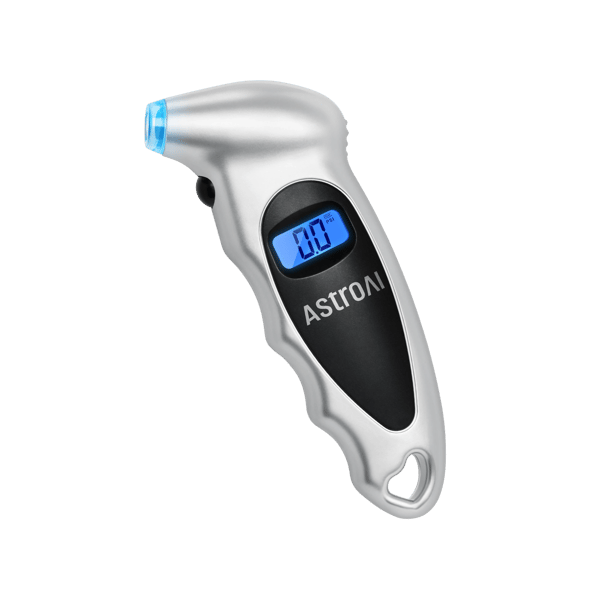
AstroAI Digital Tire Pressure GaugeAstroAI Digital Tire Pressure Gauge — a five-second check worth adding to the same driveway session, with ANSI-referenced accuracy for well under $10.
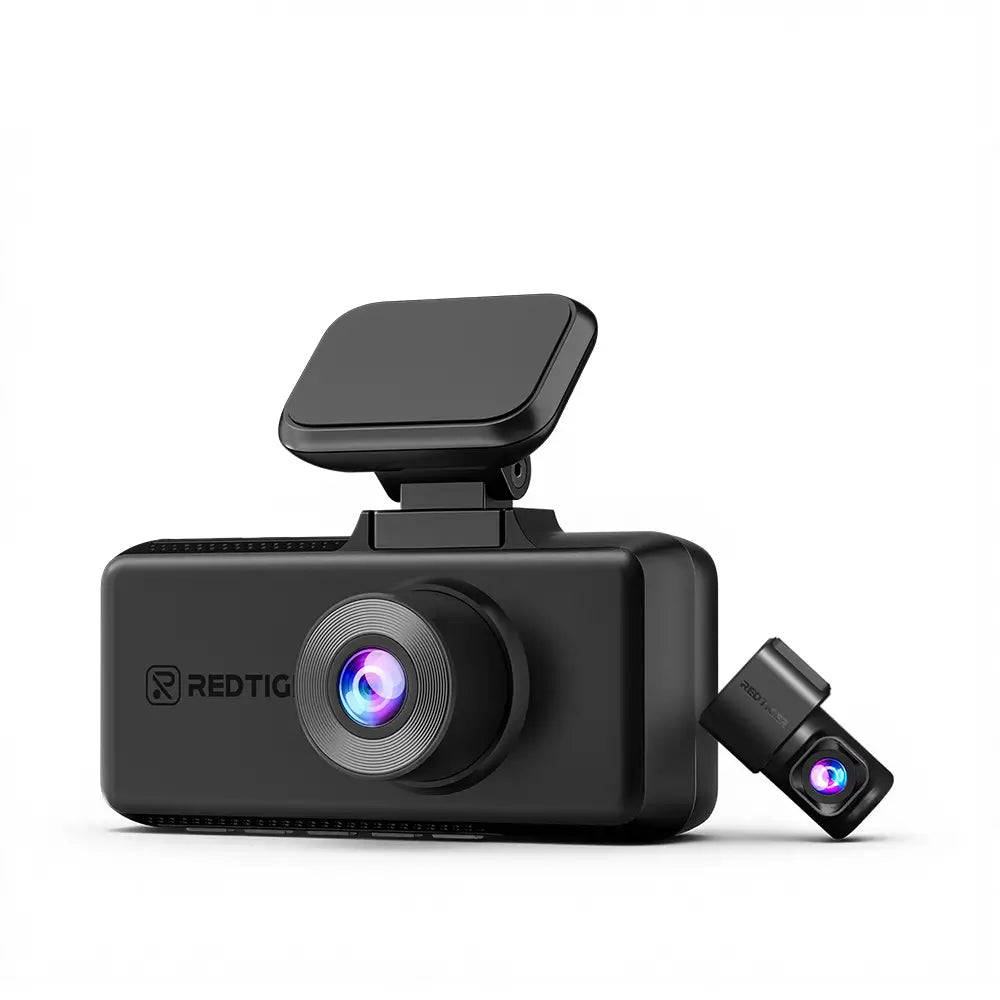
REDTIGER F17 4K Dash CamREDTIGER F17 4K Dash Cam — fresh blades keep the windshield clear in a storm, and a clear windshield is what actually lets a dash cam’s footage stay usable when it matters.
Want to round out the rest of your car care kit? See our Best Car Care & Driving Essentials guide →See our Best Car Care & Driving Essentials guide →