How to Store Skincare Products Correctly: Skip the Bathroom
The wrong spot can quietly shorten the life of your less stable serums, like vitamin C and retinoids. Here’s how to actually keep every active working.

How We Researched
Steps drawn from Schweiger Dermatology Group and The INKEY List, cross-checked against our own product reviews. No manufacturer paid for placement.
* As an Amazon Associate I earn from qualifying purchases. Disclosure
What You’ll Learn
- Why the bathroom is the worst place to keep most skincare
- Which actives break down fastest in light and heat
- How to stop air from oxidizing serums after opening
- What the PAO symbol actually means
- Where sunscreen specifically needs to live
- When a skincare fridge is worth it — and when it isn’t
3 products referenced in this guide
How do you store skincare products correctly so the actives you paid for are still working when you reach for them? Mostly it comes down to keeping four things away from your products: heat, light, air, and humidity — and for your less stable actives, the steamy bathroom most people default to is the wrong place.
Keep Products Out of the Bathroom
Dermatologist Dr. Michele Farber of Schweiger Dermatology Group says most products will work just as well on a bathroom shelf, but temperature extremes speed the breakdown of less stable ones: retinol and retinoid products, vitamin C serums, and natural products without preservatives. Those last longer outside the bathroom, and she suggests keeping vitamin C and retinoid products in a cool, dark place, such as a bedroom armoire.
If moving your whole routine feels like overkill, prioritize just the actives — serums and treatments — and leave cleansers and body wash on the shelf, since those are rinsed off in seconds and far less sensitive to a little steam.
Shield Light-Sensitive Actives from Sunlight
Vitamin C and retinoid formulas are the two categories that suffer most from light exposure — they can oxidize under bright light and degrade further when heat is added on top, according to Dr. Farber. Store these in their original opaque packaging (many brands already use dark amber or brown bottles for exactly this reason), inside a drawer or cabinet rather than out on open display.
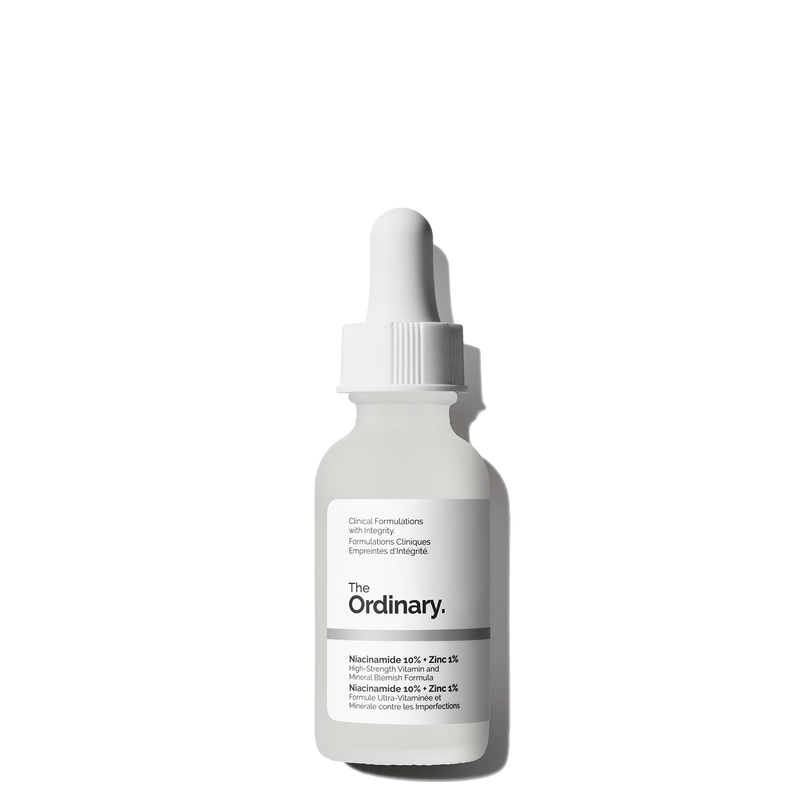
Serums like the The Ordinary Niacinamide 10% + Zinc 1% use a straightforward, fragrance-free formula that’s more stable than a vitamin C, but the same rule still applies — a closed drawer keeps the labeled concentration accurate for longer than an open shelf ever will.
Seal Caps and Pumps Tightly After Every Use
Every product becomes vulnerable to air the moment it’s opened, and a loosely closed cap lets oxidation creep in every time it sits open on the counter. Press droppers and pump tops fully closed after each application, and if a jar-format product doesn’t self-seal well, wipe the rim before closing so residue doesn’t build up and compromise the seal over time.
Check the PAO Symbol and Track When You Opened It
Look for the small open-jar icon on the packaging — the Period After Opening (PAO) symbol — printed with a number like 6M, 12M, or 24M. That’s how many months the product stays safe and effective once opened. It’s a different marking from a best-before date: per The INKEY List, products that keep for 30 months or less carry a best-before date instead, while longer-lasting ones carry the PAO symbol. Since almost nobody remembers the exact date they cracked open a new serum, write it on the bottle with a fine-point marker or a small piece of masking tape the day you open it — a one-second habit that makes the PAO number actually useful months later.
Give Sunscreen Its Own Cool, Dark Spot
Heat and direct sun are the primary enemies of sunscreen specifically — leaving a tube in a hot car, a beach bag, or on a sun-facing windowsill is one of the fastest ways to compromise its protective filters. Keep sunscreen in a dark cabinet or drawer at room temperature, and toss it if the texture separates, turns grainy, or develops an off smell, since that’s a visible sign the formula has broken down.
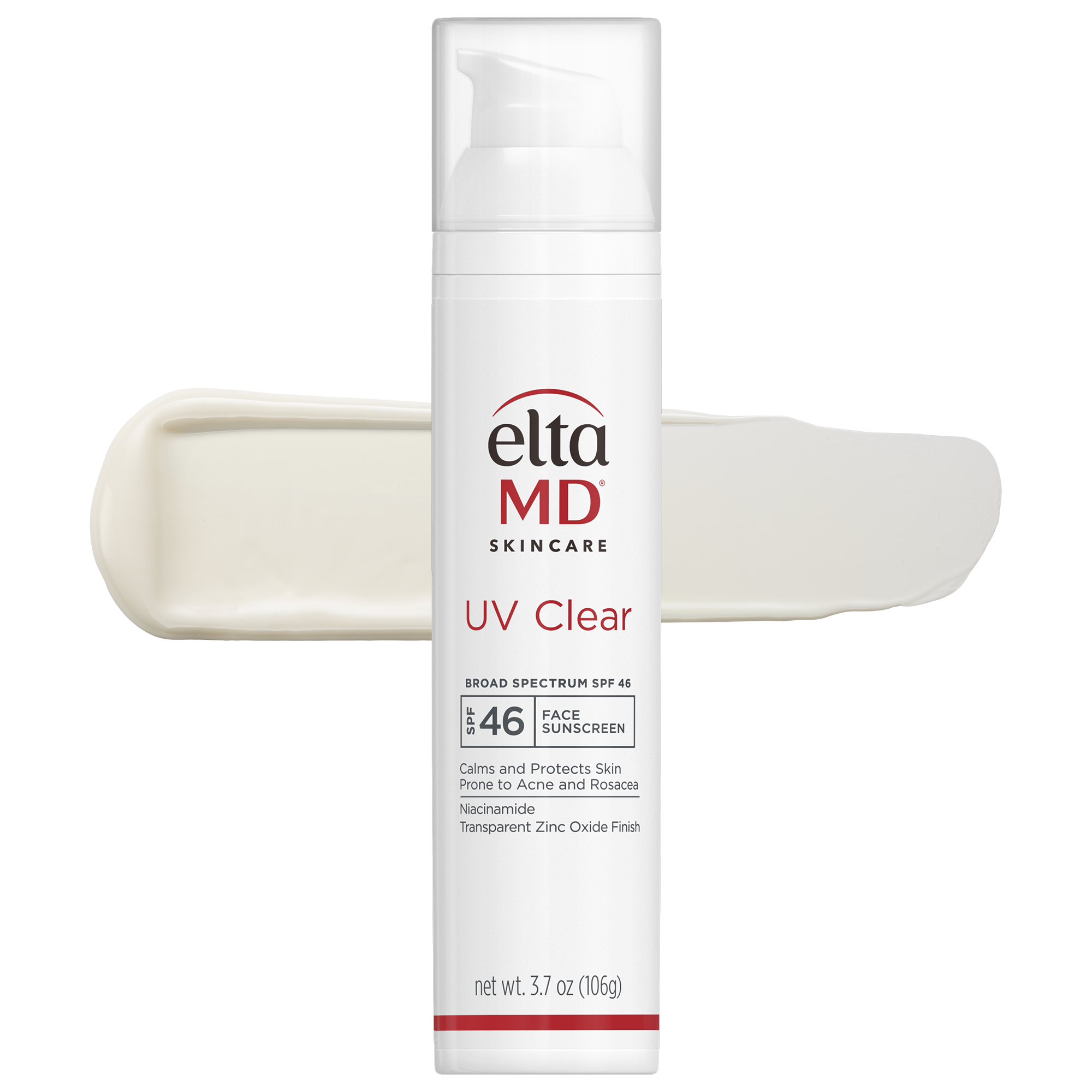
A zinc oxide and octinoxate formula like the EltaMD UV Clear Broad-Spectrum SPF 46 also carries niacinamide, and Dr. Farber’s point applies to it like any sunscreen: temperature extremes can reduce efficacy, so keep it out of a hot glovebox or a sunny bathroom sill.
Consider a Skincare Fridge for the Right Products Only
A dedicated skincare fridge running around 10–15°C offers a nicer application experience — a cool serum feels good on the skin and can help with de-puffing — but it isn’t required for shelf life in a well-formulated routine, per The INKEY List’s storage guidance. It’s most worth using for caffeine eye creams and face mists, where the cooling sensation is part of the point. A standard kitchen fridge at 4°C is actually too cold and can damage the texture of richer formulas.
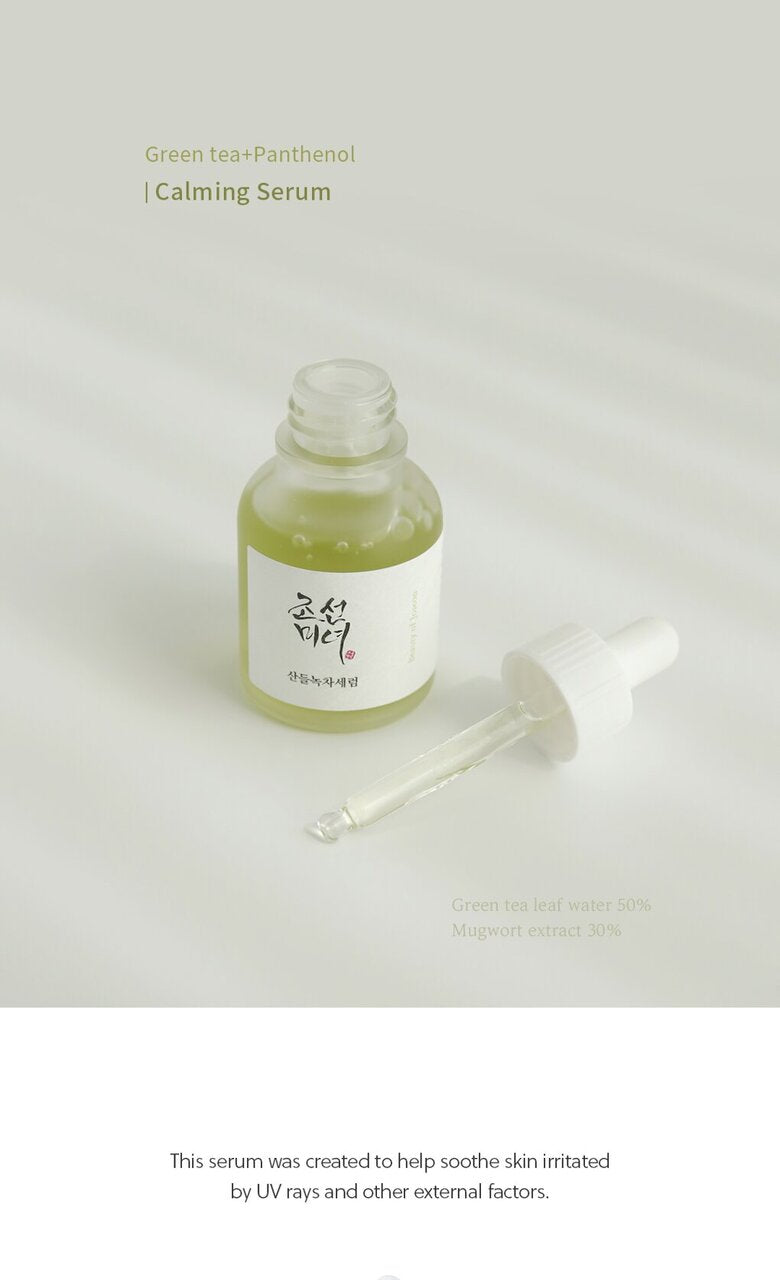
Never refrigerate balms, clay masks, rich creams, or retinoid serums — the cold can separate their texture and undo the exact stability you’re trying to protect. A watery, botanical-forward formula like the Beauty of Joseon Calming Serum is a reasonable candidate for a light chill if you already own a skincare fridge, but a closed drawer at room temperature protects it just as well.
The Right Gear Makes It Easier
A little labeling and the right containers make all six habits above stick without much extra effort.
The Ordinary Niacinamide 10% + Zinc 1%The Ordinary Niacinamide 10% + Zinc 1% — an 11-ingredient, fragrance-free serum with a dropper that seals cleanly, making it an easy one to build the “close it fully every time” habit around.
Beauty of Joseon Calming SerumBeauty of Joseon Calming Serum — a watery, botanical-forward serum best kept in a drawer rather than an open shelf, since its green tea and mugwort actives are more reactive to light and heat than a minimalist formula.
EltaMD UV Clear Broad-Spectrum SPF 46EltaMD UV Clear Broad-Spectrum SPF 46 — worth a dedicated spot away from the bathroom windowsill, given how directly heat exposure can compromise a sunscreen’s protective filters.
Want more picks worth adding to a well-stored routine? See our Trending Skincare Products of 2026 →See our Trending Skincare Products of 2026 →