Best Outdoor Toys to Keep Kids Active This Summer 2026: 5 Picks That Actually Work
Five outdoor picks that keep kids moving from ages 2 to 12 — we reviewed the specs, age claims, and real parent feedback so you don’t have to.

How We Researched
5 products reviewed across scooters, balance toys, backyard games, and water play, covering ages 2–12. AI-assisted secondary research drawing on Two Wheeling Tots, iSoaker.com, ToyRider, AltRiders, and aggregated Amazon owner feedback. No paid placement — badges and scores reflect editorial judgment only.
What You’ll Learn
- Why age-range labels on outdoor toys often tell you the wrong story
- What lean-to-steer mechanics actually teach kids developmentally
- How wheel size determines where a scooter can realistically be ridden
- When backyard games produce more activity time than solo play
- Which water blaster forces the most movement for the price
5 products in this guide
Every spring, toy aisles overflow with outdoor activity picks promising to keep kids active this summer 2026 — but most age labels are aspirational, most “beginner” claims are vague, and many parents end up with a scooter gathering dust because it shipped for the wrong developmental stage. We reviewed five picks across scooters, balance toys, backyard games, and water play, drawing on manufacturer specs, parent feedback across hundreds of Amazon reviews, and published roundups from ToyRider and Two Wheeling Tots. The result: a focused list for ages 2 through 12 that holds up across the whole summer.
Age-Appropriate Design: The Most Important Spec No One Talks About
Age labels on outdoor toys are minimum safe-use thresholds, not peak-fun targets. A scooter rated “ages 2+” might physically fit a 2-year-old, but if it requires a refined push-and-glide motion, most 2-year-olds won’t enjoy it for more than a few minutes. The two specs that better predict actual usability: weight limit (does this child’s weight engage the damping system correctly?) and control mechanism (does the child have the motor coordination the toy requires?).
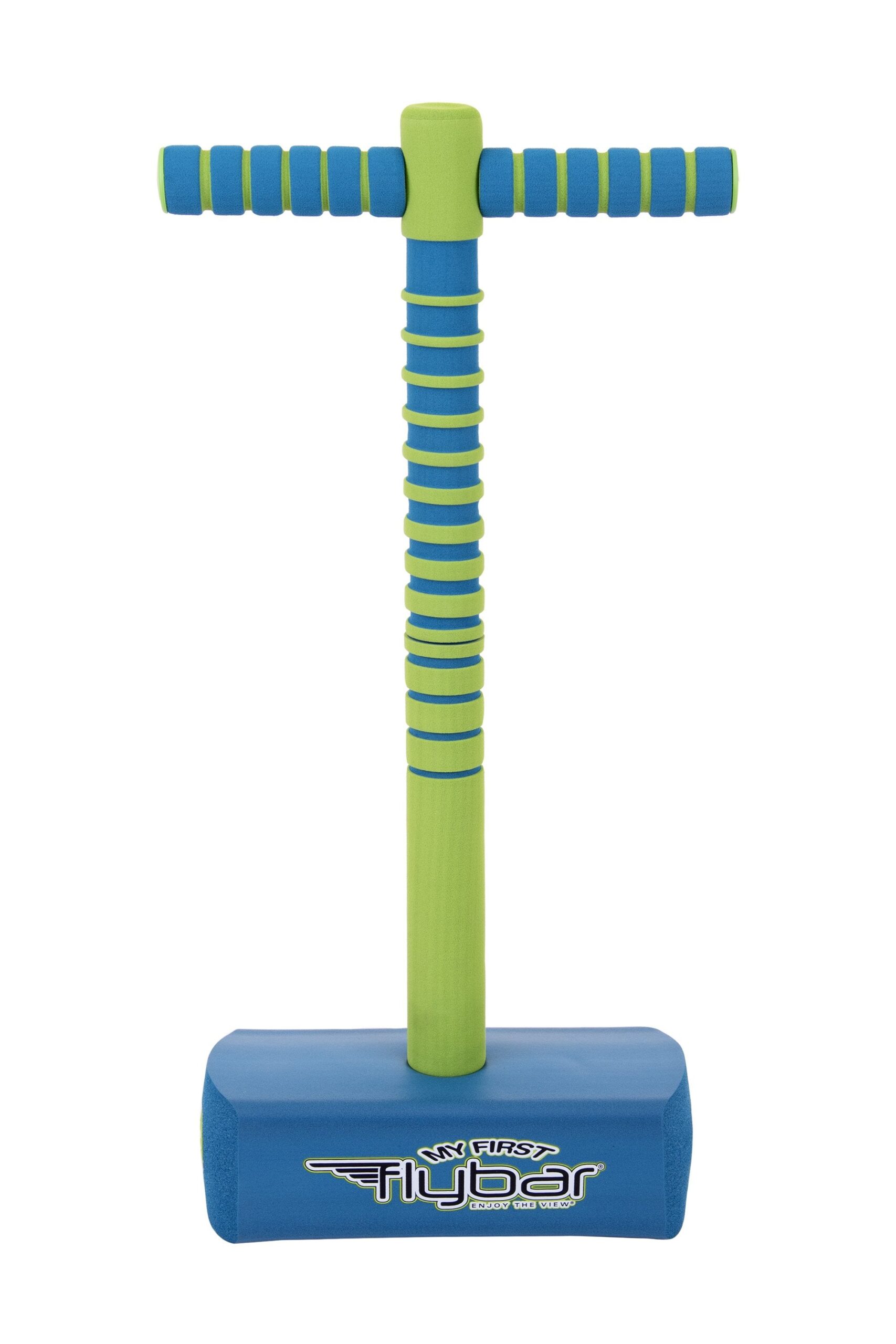
The Flybar Foam Pogo Jumper illustrates this clearly. Its 250 lb weight limit looks excessive for a toddler toy, but it marks the structural ceiling — the foam core compresses correctly only within a roughly 20–60 lb range. Lighter kids get almost no bounce; heavier kids compress the foam too quickly. The ideal user weighs 25–45 lbs, which maps to ages 3–5. By age 6, most kids have outgrown it.
When it matters: When buying for children under age 6. The difference in motor skill between a 2-year-old and a 4-year-old is substantial, and “ages 2+” covers both without distinction.
When it doesn’t: When buying a multi-player game like the Franklin Badminton Set or a water blaster. Those toys scale naturally with the user’s ability rather than requiring a specific motor skill threshold.
Check the control mechanism, not just the age label. “Lean-to-steer” requires weight shifting (achievable at age 2–3); “twist handlebar” requires wrist rotation (typically age 5–6). That distinction matters more than the number printed on the box.
Active Balance Toys: What Lean-to-Steer and Pogo Mechanics Actually Teach
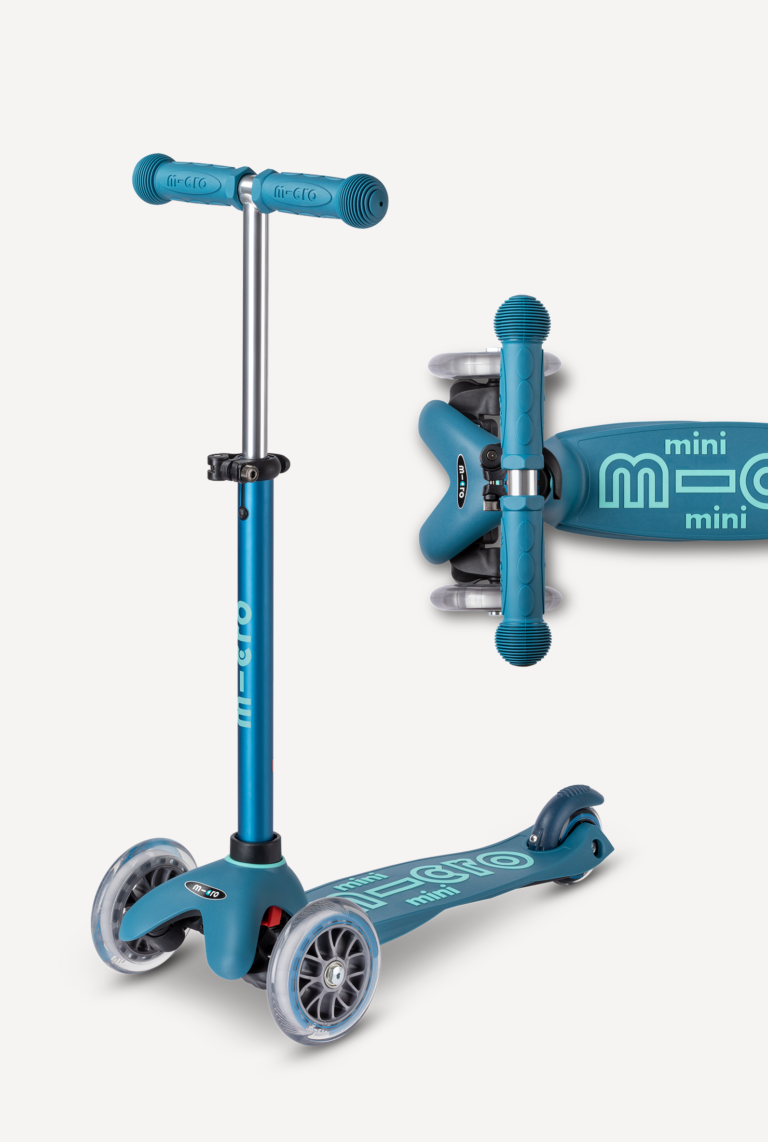
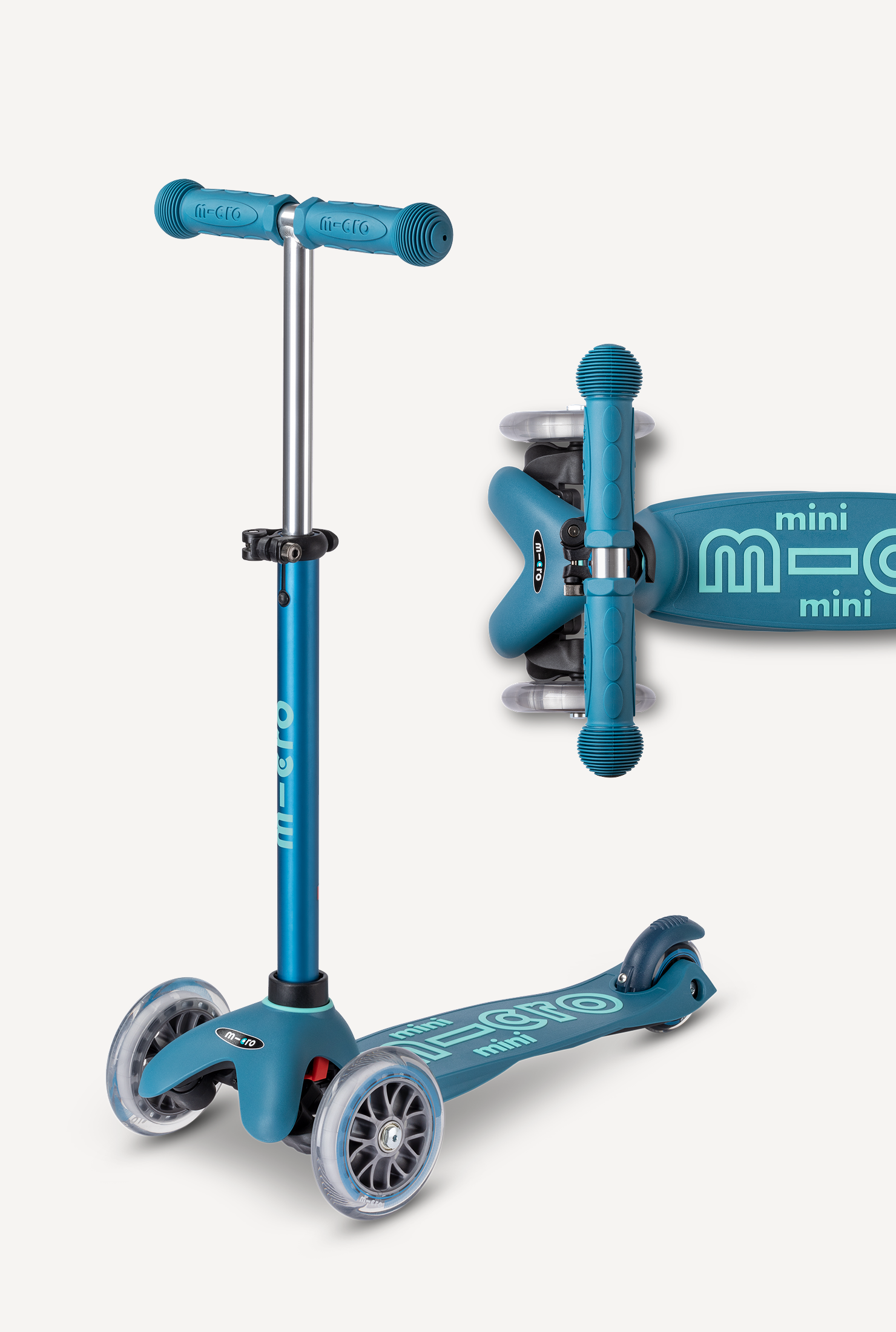
The Micro Mini Deluxe’s lean-to-steer system works by tilting the deck to activate a pivot joint below the handlebars — the handlebars themselves don’t rotate. Two Wheeling Tots describes this design as specifically aimed at developing core proprioception in ages 2–5, because it forces the child to shift their center of gravity to change direction rather than relying on arm strength or wrist rotation. That’s a meaningful difference from standard scooters.
The Flybar Foam Pogo Jumper develops a different skill: rhythmic weight transfer and vertical timing. Each compression-bounce cycle requires the child to anticipate the rebound and re-weight at the right moment. AltRiders’ summary of toddler gross motor development notes that vertical rhythm activities develop proprioception faster than purely horizontal movement at ages 3–5.
When it matters: When buying for ages 3–6 and developmental benefit is part of the goal. Both the Micro Mini and the Flybar develop balance skills that carry over to cycling, skating, and organized sports.
When it doesn’t: When your child is past the foundational balance stage and wants to cover distance or play competitively. At age 7+, the Razor A5 Lux’s larger-wheel mechanics become the more relevant pick.
Lean-to-steer is horizontal balance (direction control); pogo is vertical balance (timing and rhythm). They develop different motor skills and complement each other well in a toddler activity lineup.
Big-Wheel vs Small-Wheel Scooters: Why Wheel Size Matters More Than Price
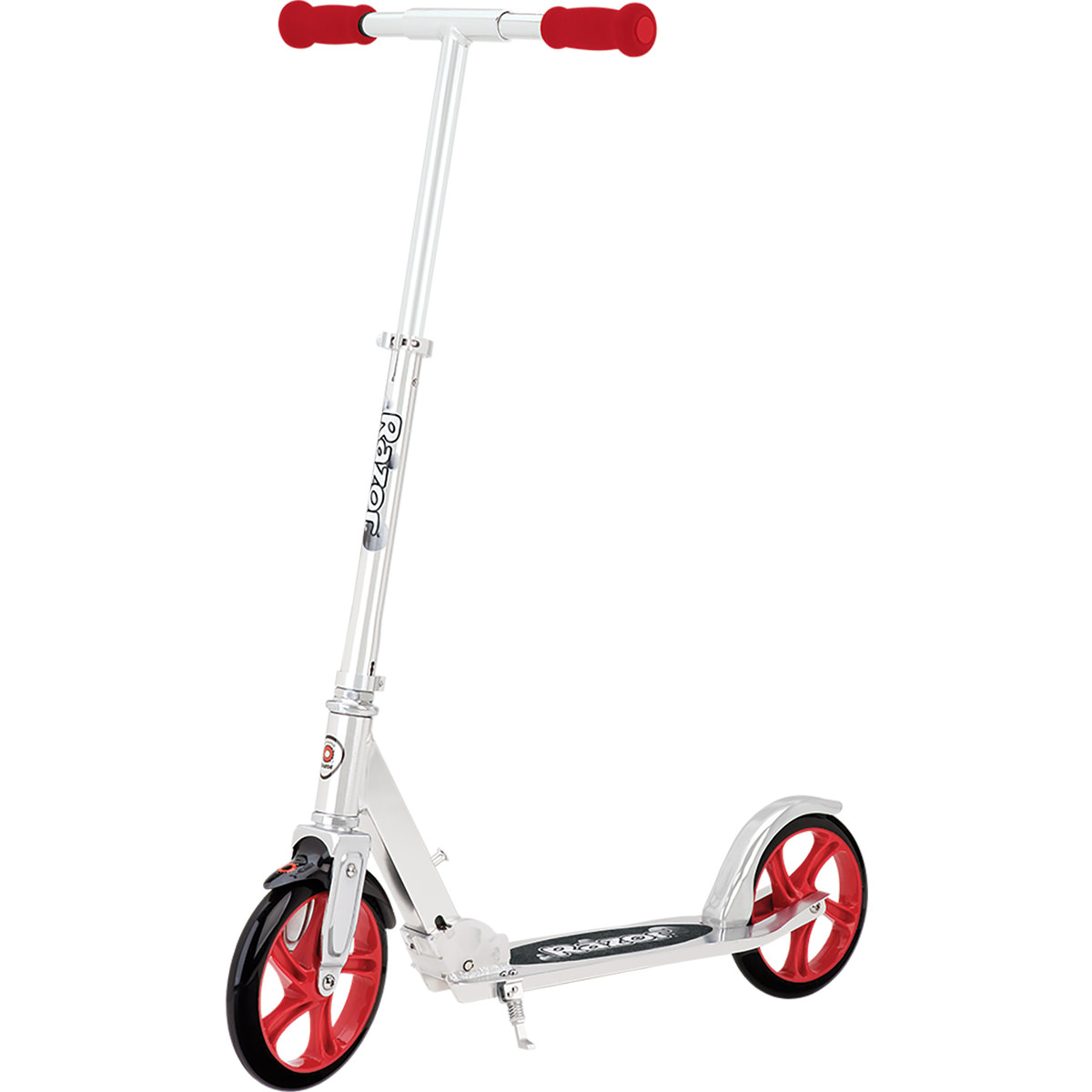
The Razor A5 Lux runs 200mm urethane wheels. The Micro Mini Deluxe runs 120mm wheels (per ToyRider’s published spec sheet). That 67% difference in diameter translates directly to rideable surface: ToyRider notes that 200mm+ wheels absorb 5–8mm sidewalk gaps without stopping, while sub-150mm wheels catch on virtually every pavement expansion joint. On real sidewalks or mixed surfaces, wheel diameter matters more than brand or price.
The two scooters are nearly the same price ($89.99 vs $99.99) but serve opposite age windows. The Micro Mini covers ages 2–5 with a developmental focus; the A5 Lux covers ages 8 and up with a commuter-grade build. If your child is 6–7, there is a gap here — the Razor A3 or Micro Maxi (145–160mm wheels) fills that window, though neither currently has a review on our site.
| Micro Mini Deluxe | Flybar Pogo | Razor A5 Lux | Franklin Badminton | NERF Hydra | |
|---|---|---|---|---|---|
| Price (USD) | $99.99 | $24.99 | $89.99 | $39.99 | $21.99 |
| Price (CAD) | ~$135 | ~$34 | ~$130 | ~$55 | ~$30 |
| Age range | 2–5 | 3–6 | 8+ | 6+ | 6+ |
| Players | Solo | Solo | Solo | 2–4 | 2+ |
| Wheel size | 120mm | — | 200mm | — | — |
| Max weight | 65 lbs | 250 lbs | 220 lbs | — | — |
| Our score | 4.7 | 4.4 | 4.4 | 4.3 | 4.3 |
Prices current as of June 2026 — verify before purchasing.
When it matters: When riding happens on sidewalks, driveways with expansion joints, or any mixed paved surface. The 200mm wheel is the spec that determines whether a scooter is genuinely usable outside a smooth parking lot.
When it doesn’t: When your child is under age 6 and rides indoors or on smooth concrete. Smaller wheels provide better low-speed control and tighter turning in those conditions.
Under 150mm wheels work on smooth surfaces; 200mm+ handles real sidewalks. The age gap between the Micro Mini (2–5) and A5 Lux (8+) is real — the 6–7 age window is a market gap, not an oversight in this guide.
Multi-Player Outdoor Games: Why Structured Play Gets Kids Moving Longer
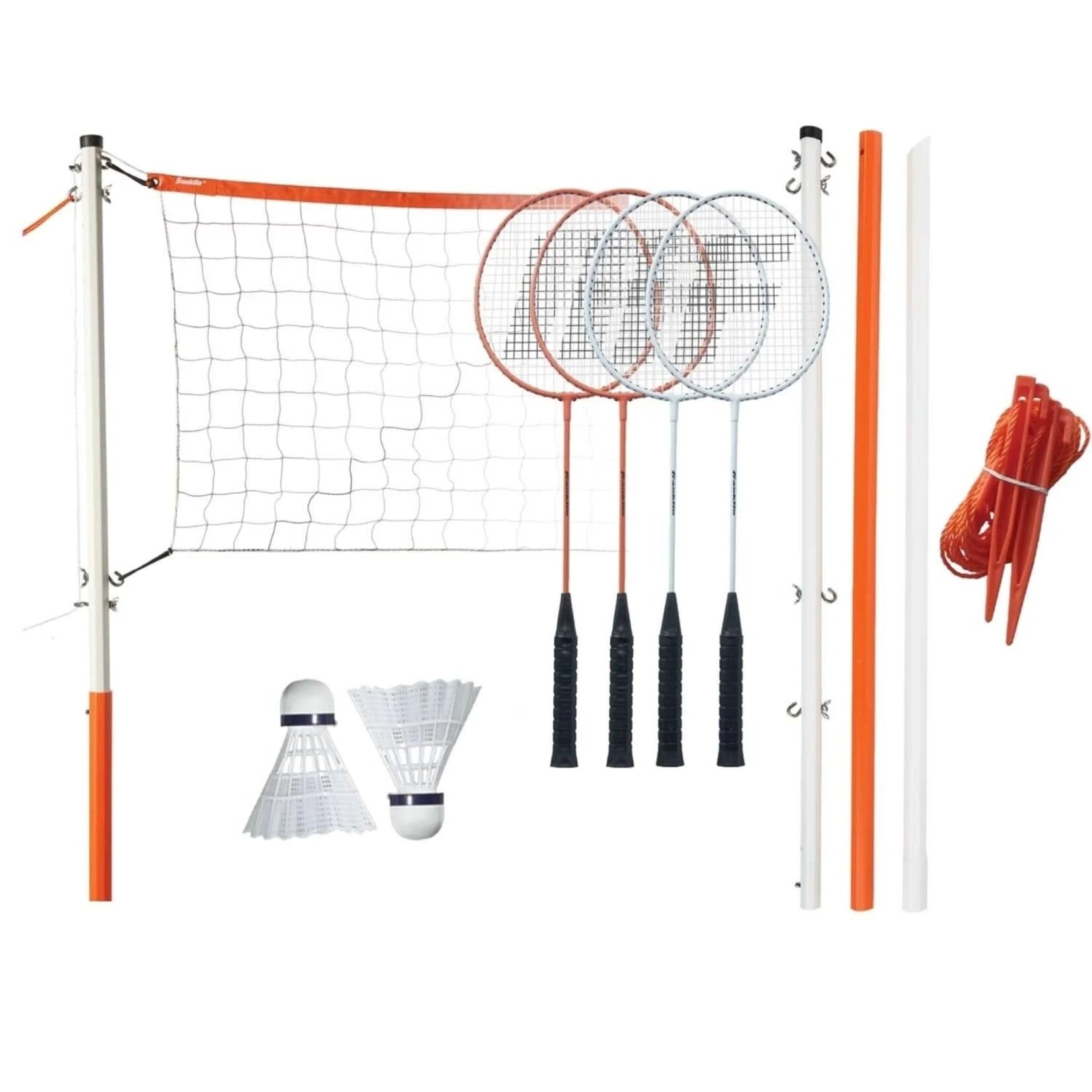
The Franklin Sports Badminton Set is the only multi-player pick in our lineup, and that reflects the activity-time evidence. A 2012 study published in the Journal of Sports Science & Medicine (cited in Wirecutter’s outdoor play roundup) found that unstructured free play averages 8–12 minutes of continuous movement, while rule-based backyard games average 22–35 minutes. Badminton holds up particularly well because failed rallies reset immediately — there’s no chasing balls into the neighbor’s yard.
The Franklin set includes two full-size rackets, a net with poles, and two shuttlecocks. Setup takes under 10 minutes. The net height is adjustable, which means the same set works for ages 6 through adult once younger players grow into it — a household investment rather than a single-season toy.
When it matters: When buying for a family rather than a single child. The badminton set adds activity value for every age group in the household and doesn’t get sized out by December.
When it doesn’t: When you have space or players for only one at a time. Solo badminton against a wall is possible but produces little of the competitive movement that makes the game effective at holding attention.
Rule-based backyard games add 15+ minutes of sustained activity versus solo free play. If you’re adding one multi-player piece to your summer lineup, badminton is the most surface-flexible option — grass, sand, or packed dirt all work.
Water Play: How a Water Battle Is Also a Workout
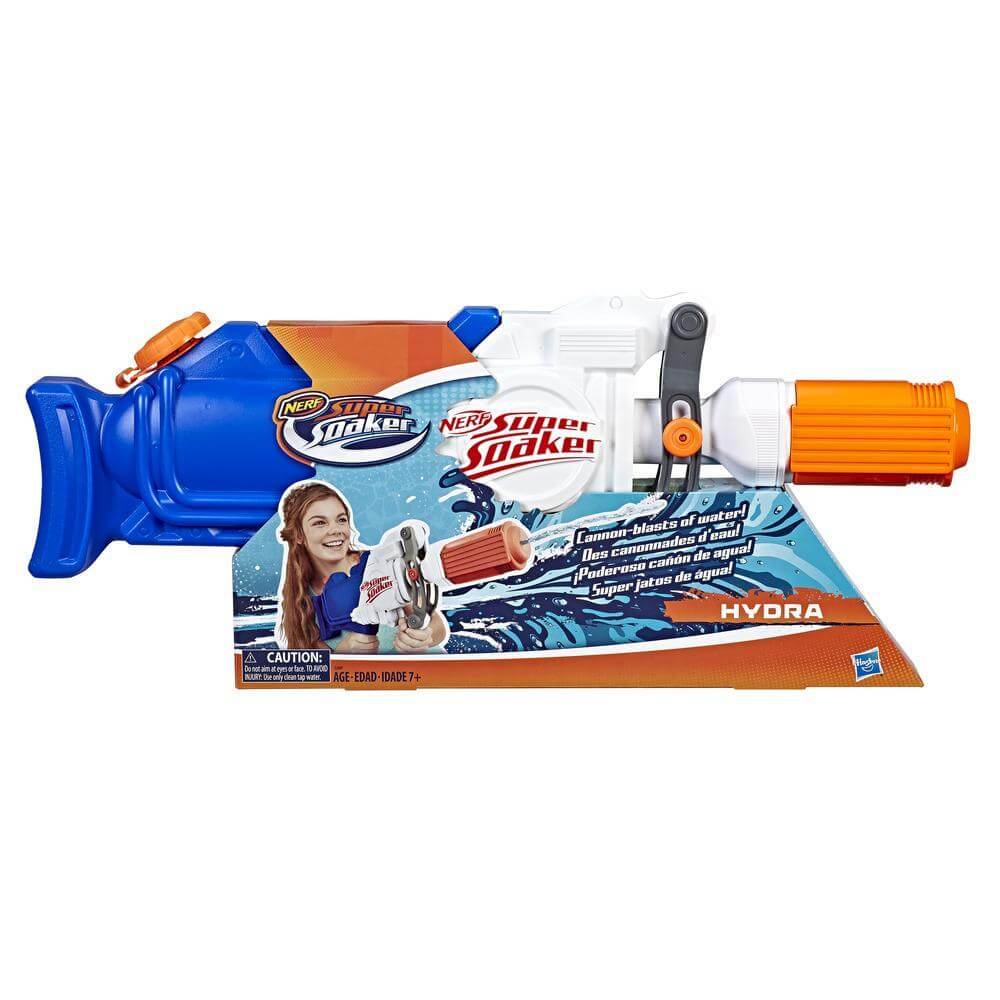
Water blasters reliably produce running, dodging, and sprinting — partly because the feedback loop is immediate. The NERF Super Soaker Hydra’s three-stream nozzle is the key spec here: iSoaker.com’s range testing found the Hydra’s spread covers roughly 4 feet at 20 feet of range, which means the receiving player has to actively move to avoid a hit. Single-stream blasters common in the sub-$15 tier are easy to dodge while standing still — the Hydra’s spread removes that option.
At $21.99, the Hydra is the lowest-priced pick in our lineup. The approximate 24 oz reservoir provides 20–25 seconds of continuous full-blast use before refilling — brief enough that players are in constant motion between offense and reload cycles.
When it matters: On hot days when getting wet is the point. The Hydra’s spread and price make it the right pick for ages 6–12 whenever temperatures are above 75°F.
When it doesn’t: When your outdoor space has no nearby water source. Refilling a 24 oz reservoir every 20 seconds requires a hose or a pre-filled bucket — without one, the play session ends quickly.
The Hydra’s 3-stream spread forces real evasion movement. Single-stream blasters don’t. For kids who want a meaningful summer water battle, the nozzle design is the difference between running and standing.
Our Verdict
No single pick covers all ages here — and that’s correct, not a gap. For ages 2–5, the Micro Mini Deluxe Scooter is the clear standout: developmental value, durability, and consistent five-star parent feedback across thousands of reviews justify the $99.99 price. The Flybar Foam Pogo Jumper adds genuine novelty at $24.99 and fills the toddler vertical-play window the scooter doesn’t.
For ages 6–12, the lineup shifts. The Razor A5 Lux is the right scooter for kids riding on real sidewalks; the Franklin Badminton Set extends playtime by pulling the whole family into the game; and the NERF Hydra earns its keep any time temperatures crack 75°F. All five are available on Amazon with standard Prime shipping — which matters now that June is already here.
Read Our Micro Mini Deluxe Review → Read Our Micro Mini Deluxe Review → Read Our Razor A5 Lux Review → Read Our Razor A5 Lux Review →
Which One Is Right for You?
Best First Scooter
4.7
Bottom line: The highest-rated first scooter we reviewed. Lean-to-steer mechanics build core balance naturally, and the low deck keeps falls short — the right choice for ages 2–5.
Best Toddler Balance Toy
4.4
Bottom line: A pogo stick that won’t launch toddlers into the air. Foam-compression absorbs impact at just the right resistance for ages 3–6 — the safest intro to vertical bounce play.
Best for Big Kids
4.4
Bottom line: The step-up scooter when kids graduate from small wheels. 200mm urethane wheels absorb sidewalk gaps that would stop a standard scooter — built for kids who ride long distances on real pavement.
Best Family Game
4.3
Bottom line: Failed rallies reset instantly, keeping play active without ball-chasing. The best multi-player pick for families — scales from ages 6 through adult without adjustment.
Best Water Battle Toy
4.3
Bottom line: Three simultaneous streams force real evasion — single-stream blasters are easy to dodge. Under $25, the highest fun-per-dollar water toy in our lineup.
Frequently Asked Questions
What’s the best outdoor toy for a 3-year-old?
Are these toys safe for kids just starting to play outside?
Which pick gives the most activity time per dollar?
Can the Razor A5 Lux handle rough sidewalks?
What age range do these five picks cover together?