Sony WF-1000XM6 vs Apple AirPods Pro (3rd Gen): Which Should You Buy in 2026?
We dug into the published measurements, long-term owner feedback, and third-party lab results so you know exactly which earbuds win — and for whom.

How We Researched
No in-person testing was conducted. Recommendations are drawn from published measurements at RTINGS.com, reviewer findings from PCMag and The Verge, aggregated long-term owner feedback, and verified manufacturer specifications. No manufacturer paid for placement.
* As an Amazon Associate I earn from qualifying purchases. Disclosure
What You’ll Learn
- Which earbud has stronger noise cancellation — and by how much
- How LDAC vs Spatial Audio actually affects what you hear
- Which is more comfortable for all-day wear
- Which has better battery per charge vs total system endurance
- Why the ecosystem question decides most purchases
- Whether the $50 price gap is worth it
The Two Earbuds Compared
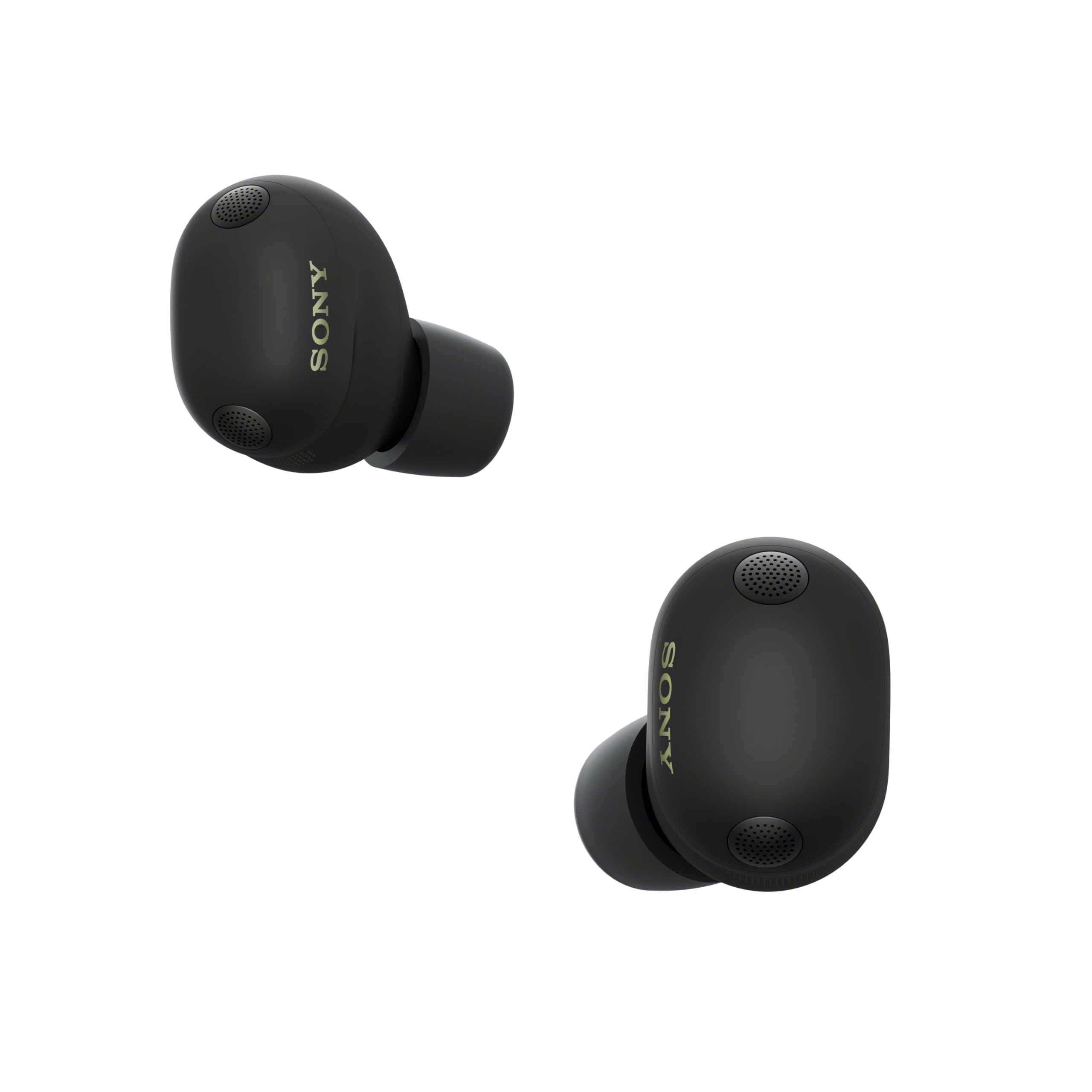 Best ANC
Bottom line: The strongest ANC in true wireless, LDAC hi-res audio support, and the longest per-charge battery at this price — the pick for Android users and frequent travelers.
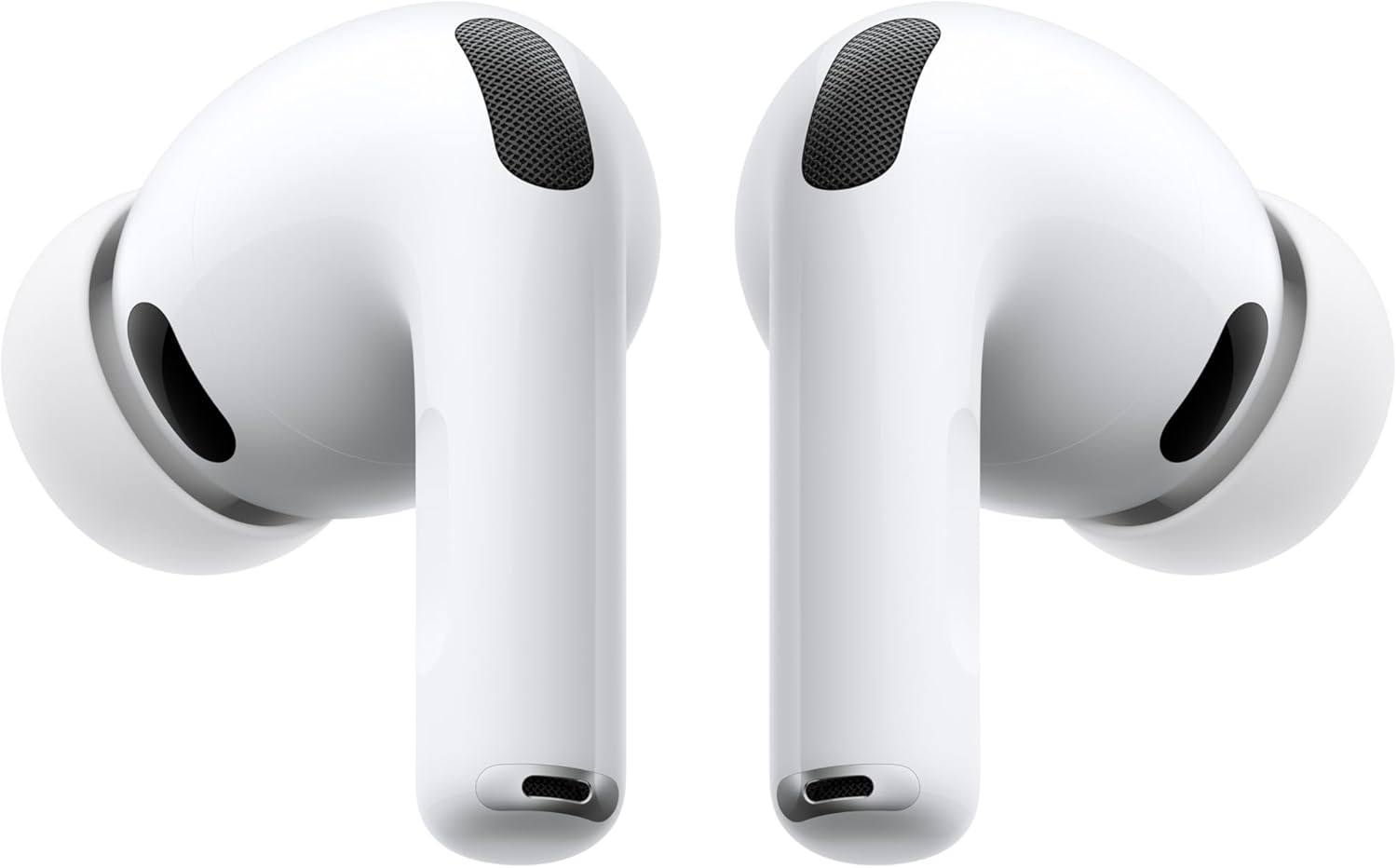 Best for iPhone
Bottom line: Automatic device switching, Adaptive Audio, Personalized Spatial Audio, and the most natural Transparency Mode available — the pick for iPhone users.
At roughly $299 and $249 respectively, the Sony WF-1000XM6 and AirPods Pro (3rd Gen) sit at the top of the true wireless market with active noise cancellation, premium drivers, and wireless charging cases. The specs are close. The experience is not. Third-party lab results from RTINGS.com, reviewer findings from PCMag and The Verge, and aggregated long-term owner feedback consistently identify the same performance gaps — here’s what they show.
| Spec | Sony WF-1000XM6 | Apple AirPods Pro (3rd Gen) |
|---|---|---|
| Price (USD) | $328.00 | $199.00 |
| Price (CAD) | $429.00 | $299.99 |
| Battery per charge | Up to 12 hrs | Up to 6 hrs (ANC on) |
| Total with case | 24 hrs | 30 hrs |
| Hi-Res Audio | LDAC (990kbps) | Spatial Audio |
| ANC strength | Industry-leading | Excellent |
| Transparency Mode | Good | Most natural available |
| Adaptive ANC | Manual switching | Adaptive Audio (auto) |
| Platform | Any device | Apple ecosystem |
| Case charging | USB-C | USB-C + MagSafe |
| Water resistance | IPX4 | IPX4 |
| Amazon | View on AmazonView on Amazon | View on AmazonView on Amazon |
Sound Quality
The Sony WF-1000XM6 supports LDAC, Sony’s high-resolution audio codec that streams at up to 990kbps — significantly more data than standard AAC or SBC. On an Android device paired with a hi-res source (Tidal HiFi, Amazon Music HD), the XM6’s soundstage opens up, instrument separation sharpens, and bass textures become more distinct. The frequency tuning leans V-shaped — boosted bass and lifted highs — which most listeners find immediately engaging for pop, hip-hop, and electronic music.
Apple’s approach is different. Personalized Spatial Audio maps your ear geometry using the iPhone’s front-facing camera and builds a sound profile matched to your anatomy. For Apple Music in Dolby Atmos format, the result is three-dimensional — instruments appear beside and in front of you rather than just inside your head. For standard streaming at 320kbps, both earbuds land close to each other in perceived quality. The AirPods’ tuning is more neutral than the Sony’s, which some listeners prefer for longer sessions or classical music.
Winner: Sony WF-1000XM6 for Android users with a hi-res library. Apple AirPods Pro (3rd Gen) for iPhone users listening in Spatial Audio.
Noise Cancellation
Sony’s ANC ranks consistently among the strongest in the true wireless category. The WF-1000XM6 uses dual microphones per side and a dedicated ANC processor to suppress low-frequency drone — airplane cabin noise, HVAC hum, urban traffic — more aggressively than any competing earbud at this price. RTINGS.com’s measured ANC attenuation data shows the XM6 suppresses more low-frequency noise than the AirPods Pro (3rd Gen), a finding echoed by PCMag’s review and long-term traveler feedback on Amazon.
Apple’s Adaptive Audio is the feature Sony hasn’t matched. It blends ANC and Transparency Mode automatically based on ambient sound levels — when someone approaches you in an office, the earbuds open up without you pressing anything. Sony requires manual mode-switching. Apple’s Transparency Mode is also the most natural-sounding available at this price: long-term reviewers and audiophile publications consistently describe it as indistinguishable from removing the earbuds entirely, with voices and ambient sound passing through without the processed quality Sony’s transparency still carries.
Winner: Sony WF-1000XM6 for raw ANC strength. Apple AirPods Pro (3rd Gen) for adaptive switching intelligence and Transparency Mode quality.
Fit and Comfort
Apple’s AirPods Pro ships with XS, S, M, and L silicone tips plus an in-app Ear Tip Fit Test — a speaker-feedback system that confirms whether you have a proper acoustic seal in under 30 seconds. Sony includes three tip sizes and optional wingtip stabilizers that improve security during exercise.
The AirPods Pro (3rd Gen) housing is slightly more compact and lighter than the XM6. Multiple owners who wore both over extended daily sessions note the AirPods Pro creates less antihelix pressure — the area of the outer ear where larger housings make themselves known after two to three hours. The XM6 is not uncomfortable for most listeners, but reviewers with smaller ears note the housing can become noticeable during extended wear. Both carry IPX4 water resistance, so sweat and light rain are not a concern with either pair.
Winner: Apple AirPods Pro (3rd Gen) for all-day wear comfort. Sony WF-1000XM6 with the wingtip option for high-intensity exercise.
Battery Life
Sony’s WF-1000XM6 delivers up to 12 hours of playback per charge, with the charging case extending total endurance to 24 hours. The case charges via USB-C; the earbuds themselves do not support wireless charging independently of the case.
Apple AirPods Pro (3rd Gen) runs up to 6 hours per charge with ANC on. The case brings total system endurance to 30 hours, charges via both USB-C and MagSafe, and surfaces battery levels for both earbuds and case on the iPhone lock screen — no companion app needed.
Winner: Sony WF-1000XM6 for fewest charge interruptions in a single day. Apple AirPods Pro (3rd Gen) for total system battery capacity and wireless case charging.
Ecosystem and Device Switching
AirPods Pro pair with any iPhone in a single tap, switch automatically between Apple devices (iPhone, iPad, Mac, Apple Watch), appear in Find My for location tracking, and respond to Siri hands-free. Remove them from your ears — music pauses. Put them back — it resumes. On Android, none of this works; they connect like any other Bluetooth earbud.
Sony WF-1000XM6 connects reliably via Bluetooth 5.3 on any device. The Headphones Connect app provides granular EQ control, ANC level adjustment, and simultaneous multipoint connection to two devices — so a call on your phone does not require manually disconnecting from your laptop. That multipoint capability is one the AirPods Pro does not offer across different devices or accounts.
Winner: Apple AirPods Pro (3rd Gen) for iPhone users. Sony WF-1000XM6 for Android, Windows, or mixed-device setups.
Price and Value
The Apple AirPods Pro (3rd Gen) retails at approximately $249 USD ($329 CAD). The Sony WF-1000XM6 runs $299–$329 USD (~$429 CAD). Both see regular discounts — prices current as of May 2026, check Amazon before purchasing.
The $50 difference buys stronger ANC, LDAC hi-res audio support, and longer per-charge battery on the Sony side. It costs you automatic device switching, Personalized Spatial Audio, and a better Transparency Mode. Neither represents poor value at its price — the question is which set of features you’ll actually use every day.
Winner: Tie — both are priced appropriately for what they deliver. The Sony’s $50 premium is justified by ANC and battery; the AirPods’ lower price is a bonus, not a compromise.
Our Sony WF-1000XM6 vs AirPods Pro Verdict
Sony WF-1000XM6 wins on noise cancellation, hi-res audio, and platform flexibility. For frequent travelers, open-office workers, or anyone on Android, the ANC advantage is consistent and measurable — RTINGS.com lab data backs it. If blocking out the world is your priority, Sony delivers the most complete version of that in true wireless.
Apple AirPods Pro (3rd Gen) wins for iPhone users. Automatic device switching, Adaptive Audio, Personalized Spatial Audio, and the most natural Transparency Mode available make it the more capable daily companion for Apple households. The lower price is a bonus, not the reason to buy.
Buy the Sony if noise cancellation is your top priority or you’re not on iPhone. Buy the AirPods Pro (3rd Gen) if you’re in the Apple ecosystem and want earbuds that work without requiring your attention.
Read Our Sony WF-1000XM6 Review → Read Our Sony WF-1000XM6 Review → Read Our AirPods Pro Review → Read Our AirPods Pro Review →
Frequently Asked Questions
Which should I buy if I have an iPhone?
Which should I buy if I have an Android?
Is Sony’s noise cancellation really better than AirPods Pro?
Which earbuds are better for exercise?
Is the $50 price difference worth it?