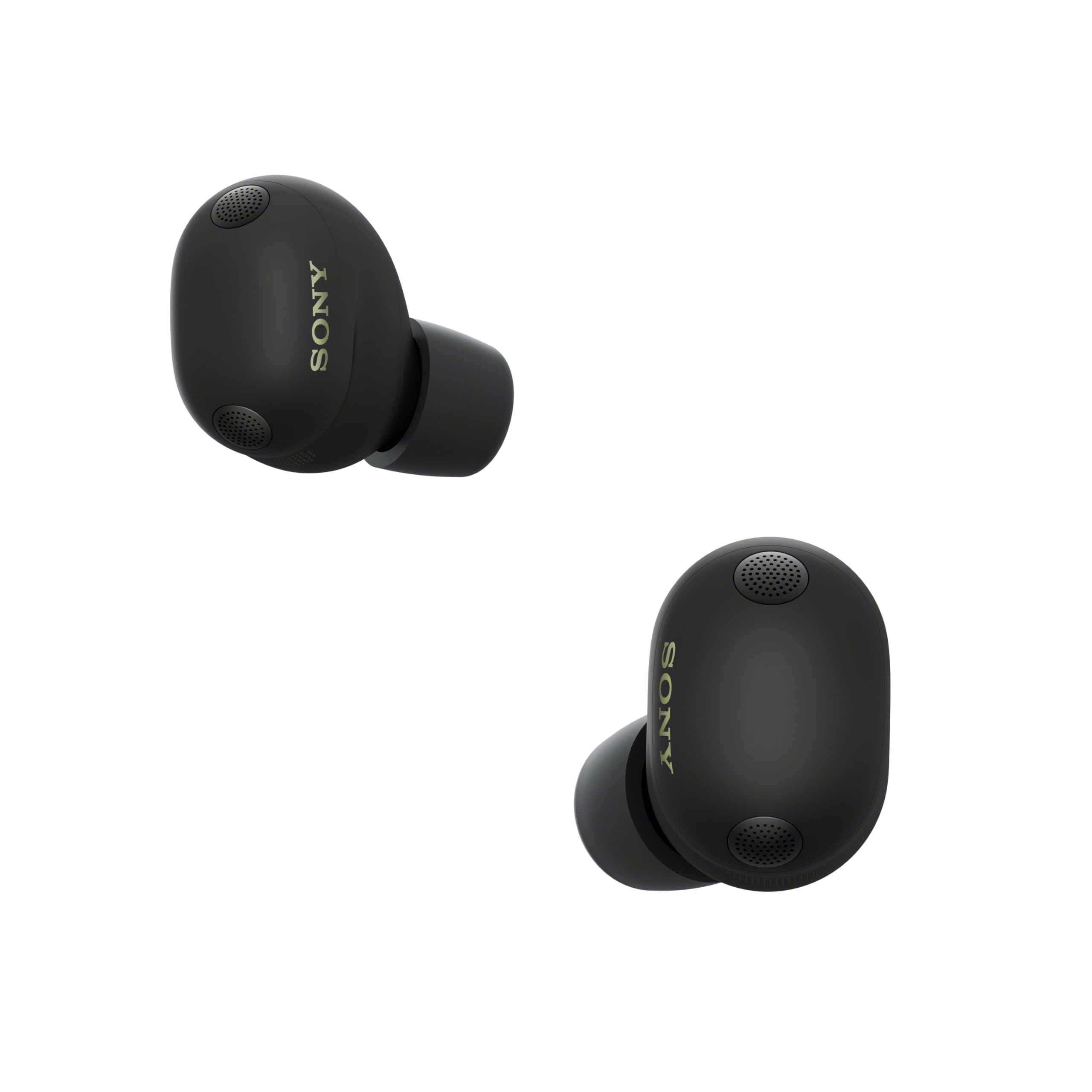
The Sony WF-1000XM6 is an elite pair of earbuds for audiophiles who prioritize sound quality above all else — What Hi-Fi and RTINGS both confirm the mastering-engineer tuning delivers class-leading clarity, and the QN3e processor is a genuine 3x speed upgrade over the previous generation. The catch, per TechRadar's two-week test: despite the faster chip, ANC trails the Bose QuietComfort Earbuds II and Apple's latest AirPods Pro in direct comparison, with a distracting wind-noise artifact outdoors, and the case is larger and feels less premium than before. Up to 24 hours of total battery life keeps them going through full travel days. Best for listeners who'll trade peak ANC for the best sound in this class.
Pros
- Studio-level clarity — What Hi-Fi and RTINGS both rate the sound as class-leading
- Co-created with mastering engineers for professional tuning
- Up to 24 hours total battery life (earbuds + case)
- Faster ANC processor than the previous generation (QN3e, rated 3x faster)
Cons
- ANC trails Bose and Apple in TechRadar's head-to-head testing, despite the processor upgrade
- Noticeable wind noise during calls and with ANC engaged, per TechRadar
- Larger, less premium-feeling case than the previous generation
- IPX4 water resistance only — not suitable for heavy rain or intense workouts
As an Amazon Associate I earn from qualifying purchases. Disclosure
Overview
The Sony WF-1000XM6 are Sony’s flagship true wireless earbuds, built for the audiophile who refuses to compromise on sonic fidelity even when navigating loud transit environments. Sony co-developed the tuning with its own mastering engineers, and What Hi-Fi’s testing confirmed the result: a genuinely audiophile-friendly sound signature that out-performs most rivals at the price. The HD Noise Cancelling Processor QN3e is rated three times faster than the chip in the previous-generation WF-1000XM5, and Sony pairs it with up to 24 hours of total battery life across the earbuds and case.
The catch, according to TechRadar’s two-week test, is that noise cancellation doesn’t quite live up to the sound quality — more on that in Performance below. It’s a device built for listeners who prioritize the nuance of a master recording, with real trade-offs worth knowing before paying the premium price.
Pros
- Studio-level clarity — What Hi-Fi and RTINGS both rate the sound as class-leading
- Co-created with mastering engineers for professional tuning
- Up to 24 hours total battery life (earbuds + case)
- Faster ANC processor than the previous generation (QN3e, rated 3x faster)
Cons
- ANC trails Bose and Apple in TechRadar’s head-to-head testing, despite the processor upgrade
- Noticeable wind noise during calls and with ANC engaged, per TechRadar
- Larger, less premium-feeling case than the previous generation
- IPX4 water resistance only — not suitable for heavy rain or intense workouts
Key Specifications
The Sony WF-1000XM6 delivers up to 24 hours of total battery life — up to 8 hours in the earbuds with ANC active, extending to 24 hours total with the charging case. According to Sony, the tuning process involved collaboration with world-renowned mastering audio engineers to ensure studio-level sonic accuracy. Wireless connectivity runs over Bluetooth 5.3 with LDAC support for high-resolution audio streaming. The earbuds carry an IPX4 water resistance rating, making them splash-resistant for everyday use but not suitable for submersion or intense sweat-heavy workouts. Noise cancellation is handled by Sony’s HD Noise Cancelling Processor QN3e, rated three times faster than the WF-1000XM5’s chip.
Design & Build Quality
Smooth, matte-finished surfaces meet the fingertips, suggesting a premium construction intended to resist the accumulation of fingerprints during long periods of handling. The tactile feedback of the controls is designed for precise interaction, allowing for adjustments without needing to visually inspect the device. TechRadar’s testing flagged one step backward, though: the charging case is noticeably taller and wider than the previous generation’s, and feels less premium in hand despite the size increase. The IPX4 water resistance rating means users should exercise caution in heavy rain or during intense workouts.
Key Features
Precision in audio reproduction serves as the cornerstone of the user experience. The development process involved a unique collaboration, as the tuning was co-created with world-renowned mastering audio engineers to ensure that the output mirrors the intent of the original recording. What Hi-Fi’s review confirmed this translates to a genuinely open, airy, audiophile-leaning sound signature that outperforms most rivals at the price. The HD Noise Cancelling Processor QN3e adds meaningfully faster processing over the previous generation, though as TechRadar’s testing found, faster processing hasn’t translated into class-leading ANC — see Performance below for specifics.
Performance
Sound quality is where the WF-1000XM6 clearly earns its price: RTINGS and What Hi-Fi both measured a detailed, well-balanced signature with strong separation between instruments, and the mastering-engineer tuning shows in complex, layered tracks. When compared to the Bose QuietComfort Earbuds II, the ability to maintain audio detail while suppressing external sound remains a genuine differentiator.
Noise cancellation is the more complicated story. TechRadar’s two-week head-to-head test found the ANC “surprisingly sub-par” against the Technics AZ100 and Bowers & Wilkins Pi8, and specifically weaker than the Bose QuietComfort Earbuds II and Apple AirPods Pro when compared directly — a step behind despite the faster QN3e processor. TechRadar also reported a distracting wind-noise artifact (described as a paper-tearing sound) when ANC is active in windy conditions, and more wind noise reaching callers than with other buds. For controlled indoor environments — offices, planes, quiet commutes — the ANC performs well; for outdoor or windy use, expect it to trail the class leaders.
How Does It Stack Up Against the Competition?
If the Sony WF-1000XM6 doesn’t quite fit your needs, here are the closest alternatives worth considering. The main trade-off between these products is between premium audio fidelity, ANC strength, and ecosystem integration.
| Feature | Sony WF-1000XM6 | Apple AirPods Pro 2 | Bose QuietComfort Earbuds II |
|---|---|---|---|
| Price (USD) | $328.00 | Deal $249.47 | $299.00 |
| ANC Strength (independently tested) | Good, but trails these two (TechRadar) | Very strong | Class-leading |
| Sound Quality | Best-in-class, mastering-engineer tuned | Very good | Good |
| Best For | Audiophiles who prioritize sound over peak ANC | Apple ecosystem users, strong all-round ANC | Buyers who want the strongest ANC available |
| TTP Review | This review ↑ | — | — |
| Amazon | View on Amazon | View on Amazon | View on Amazon |
Prices change frequently — always verify current pricing before purchasing.
Is the Sony WF-1000XM6 Worth It?
Audiophiles who prioritize sound quality above all else will find this to be an exceptional pair of earbuds — What Hi-Fi and RTINGS both confirm the mastering-engineer tuning delivers a genuinely class-leading listening experience. Buyers whose primary requirement is the strongest possible noise cancellation should weigh TechRadar’s finding carefully: despite the faster QN3e processor, the ANC trails the Bose QuietComfort Earbuds II and Apple’s latest AirPods Pro in direct testing, with a distracting wind-noise artifact in outdoor conditions.
Budget-conscious buyers or those who need heavy sweat/rain resistance should also look elsewhere — the IPX4 rating and premium price make this a specialized tool rather than a general-purpose accessory. For the commuter or home listener who spends hours in mostly controlled environments and values sonic accuracy above all else, the investment is justified by the quality of the listening experience.
Check the latest price for the Sony WF-1000XM6
Check Current Price on Amazon