How to Choose Sunscreen for Acne-Prone Skin: Fewer Breakouts
Most sunscreens are formulated for dry or normal skin — and they show it. Here’s how to find one that protects without clogging pores, triggering breakouts, or leaving a chalky cast on reactive skin.

How We Researched
3 products reviewed across the sunscreen and acne-care categories, covering a price range from $12 to $43. Research draws on AI-assisted secondary research, published dermatology guidance from the AAD and EWG, verified manufacturer specifications, and aggregated consumer feedback from Amazon. No paid placement — badges and picks reflect editorial judgment only.
* As an Amazon Associate I earn from qualifying purchases. Disclosure
What You’ll Learn
- Why most sunscreens break out acne-prone skin — and what formulas don’t
- Mineral vs. chemical filters: which is safer for reactive skin types
- What “non-comedogenic” actually means (and when to ignore it)
- The role of niacinamide in a daily SPF formula
- How to layer sunscreen with actives like retinoids and exfoliants
- The best overnight acne patch to use alongside your morning SPF
3 products in this guide
Sunscreen is the single most effective anti-aging and skin-protection product dermatologists recommend — and it’s also the step acne-prone people are most likely to skip. The reason is usually one bad experience: a formula that felt greasy, left a white cast, or triggered a breakout within a week. Choosing the right SPF for reactive skin isn’t complicated, but it does require reading labels differently. This guide explains what ingredients to look for, what to avoid, how to layer SPF with actives safely, and which products dermatologists consistently recommend for acne-prone, sensitive, and rosacea-prone skin in 2026.
Mineral vs. Chemical Filters: Which Is Better for Acne-Prone Skin?
Sunscreens use two classes of UV filters: mineral (physical) blockers — zinc oxide and titanium dioxide — and chemical absorbers like avobenzone, octinoxate, homosalate, and oxybenzone. The distinction matters for acne-prone skin because the two types interact with skin biology differently.
Mineral filters sit on top of the skin and reflect UV radiation rather than absorbing it. Zinc oxide, in particular, has natural anti-inflammatory and mild antibacterial properties — the same reasons it’s an active ingredient in diaper rash creams. According to the EWG’s Guide to Sunscreens, zinc oxide scores among the lowest hazard ratings of any sunscreen active and provides the broadest single-ingredient UV coverage available, blocking both UVB and UVA1 wavelengths (340–400 nm) that many chemical filters miss. For skin already managing inflammation from acne, a filter that reduces rather than adds to irritation is the clear choice.
Chemical filters are absorbed into the skin to convert UV radiation into heat. Some — particularly oxybenzone and certain fragrance compounds — are associated with contact dermatitis and skin sensitization in people with reactive skin types, per the AAD’s patient guidance on sunscreen safety. Octinoxate (used in EltaMD UV Clear at 7.5%) is better tolerated than oxybenzone and is FDA-recognized as safe and effective, but pure-mineral formulas are typically the first recommendation for patients with rosacea or active acne.
When it matters: If you’re currently experiencing active breakouts, rosacea flares, or skin sensitized by retinoids or chemical exfoliants, start with a zinc oxide-primary formula. The anti-inflammatory action from zinc can actively calm existing irritation while protecting new skin.
When it doesn’t: If you have oily or combination skin without active sensitivity, a well-formulated chemical SPF with a matte finish can perform just as well and often applies more invisibly, particularly on medium to deeper skin tones where zinc oxide sometimes leaves a slight cast even when micronized.
Zinc oxide-first formulas reduce inflammation and are safer for reactive skin — chemical-only sunscreens may aggravate active acne or rosacea in some users.
What “Non-Comedogenic” Actually Means — and When the Label Lies
“Non-comedogenic” is not a regulated claim. The FDA does not define or enforce standards for the term, which means any brand can print it on packaging without clinical substantiation. That said, the term is not meaningless — many cosmetic chemists and dermatologists use the comedogenicity rating scale developed by researchers Fulton, Pay, and Fulton, which assigns individual ingredients a score from 0 (won’t clog pores) to 5 (highly comedogenic). Products with predominantly low-rated ingredients are less likely to cause comedonal acne in sensitive users.
Common high-comedogenicity ingredients to watch for in sunscreen formulas include isopropyl myristate (rating 5), coconut oil (rating 4), and certain silicones like dimethicone, which rates low on the comedogenicity scale but can feel occlusive to already-congested pores. Fragrance and fragrance components (linalool, limonene) are not comedogenic per se but are among the top causes of contact dermatitis — a separate but related concern for reactive skin types.
When it matters: For anyone with comedonal acne (blackheads, clogged pores, milia), ingredient-level screening matters more than the “non-comedogenic” label alone. Check the inactive ingredients list for isopropyl myristate, lanolin, cocoa butter, and coconut oil — all of which can block pores in congestion-prone skin even at trace concentrations.
When it doesn’t: If your acne is primarily inflammatory (papules, pustules, cysts), pore-clogging ingredients are less likely to be the trigger. Your breakouts are more likely driven by bacteria, hormones, or the irritation from other ingredients like fragrance or alcohol — which is why dermatologists focus more on fragrance-free and alcohol-free for inflamed acne than on comedogenicity scores.
“Non-comedogenic” on the label is unregulated — read the inactive ingredients list instead and avoid isopropyl myristate, coconut oil, and heavy fragrance compounds.
Why Niacinamide Changes Everything in a Daily SPF
Niacinamide (vitamin B3) is one of the most studied active ingredients in skincare. At 5% concentration — the clinically validated dose — it regulates sebum production, reduces the appearance of enlarged pores, calms post-inflammatory redness, and inhibits the transfer of melanin to skin cells, which fades the dark marks left after acne clears. For acne-prone skin, it addresses four of the most common concerns simultaneously without sensitizing skin or increasing photosensitivity.
When combined with a daily SPF, niacinamide offers compounding benefit: the SPF prevents new UV-triggered hyperpigmentation from forming; the niacinamide fades existing PIH (post-inflammatory hyperpigmentation) over consistent daily use. Dermatologists at practices including those contributing to the Journal of Clinical and Aesthetic Dermatology cite this combination as one of the most effective approaches for morning routines in acne patients — especially those on retinoids, where sun protection is non-negotiable and skin is too sensitized for additional actives.
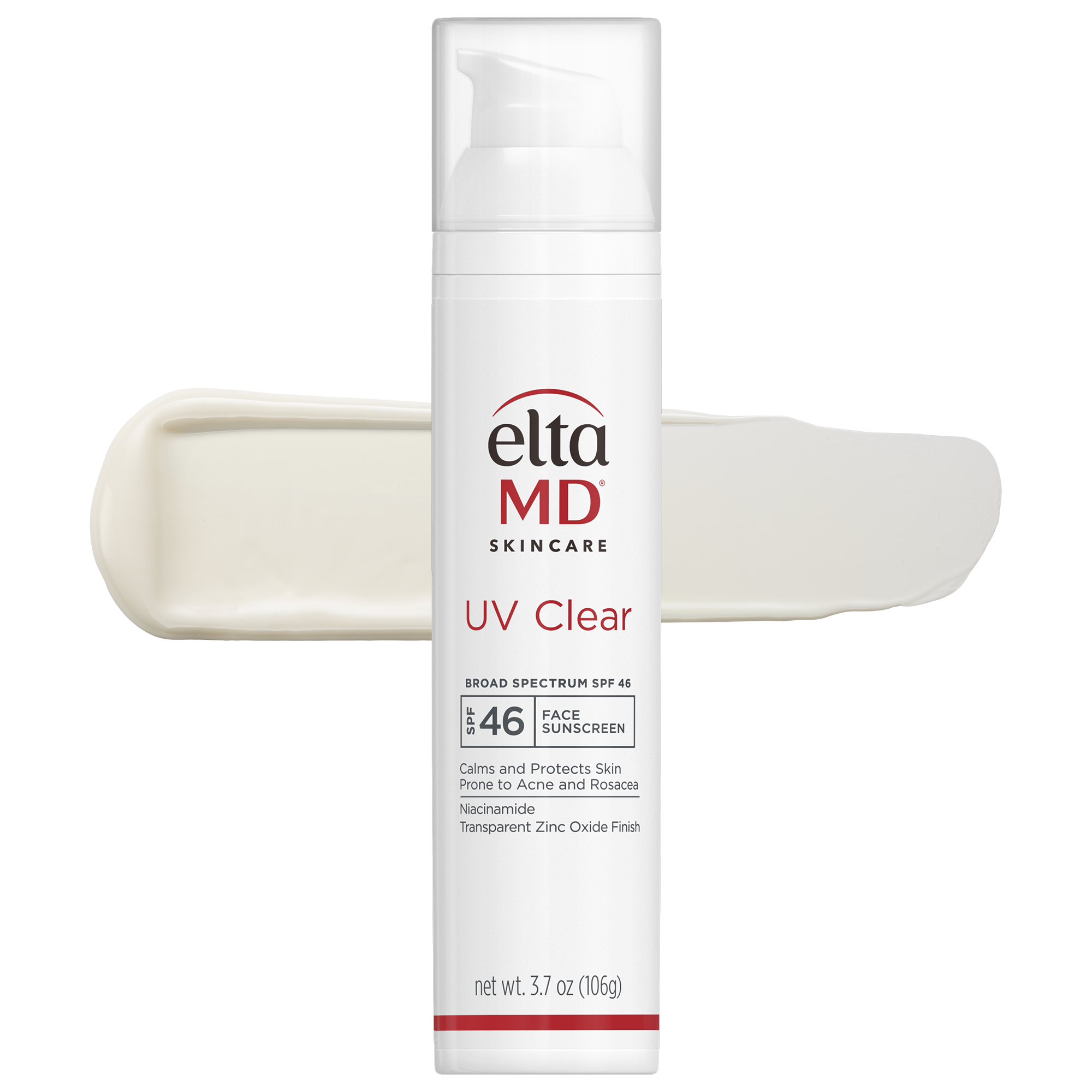
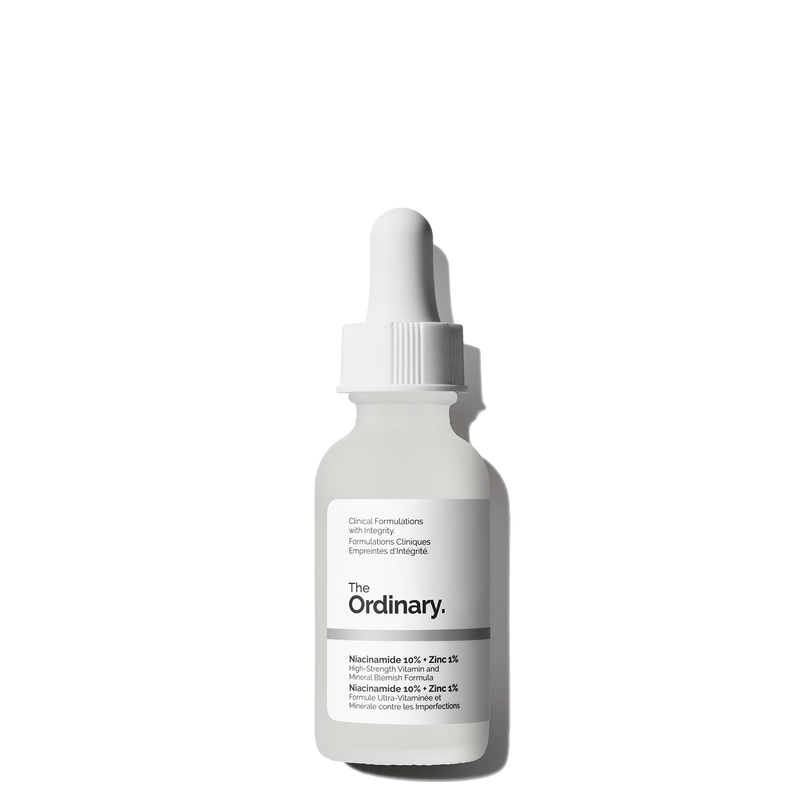
EltaMD UV Clear includes 5% niacinamide directly in its SPF formula — meaning one product handles both protection and active treatment in a single step. For people who prefer layering products or want a higher niacinamide concentration, a dedicated serum like The Ordinary Niacinamide 10% + Zinc 1% can be applied before SPF for enhanced oil control and PIH reduction.
When it matters: Niacinamide in SPF is most valuable for acne patients who struggle with hyperpigmentation after breakouts, oily T-zones, or skin currently on retinoids or exfoliants that can’t tolerate additional actives. The SPF does sun protection; the niacinamide does the treatment work simultaneously.
When it doesn’t: If PIH is not a concern and your primary goal is basic reliable UV protection, you don’t need niacinamide in your SPF specifically — but you should still use it somewhere in your routine given its sebum regulation benefits for acne skin.
5% niacinamide in a daily SPF is a two-for-one for acne skin: it protects against UV-triggered hyperpigmentation while actively fading existing dark marks left by cleared blemishes.
How to Layer Sunscreen With Retinoids and Exfoliants
Retinoids (tretinoin, retinol, adapalene) and chemical exfoliants (glycolic acid, salicylic acid, AHAs) are the most effective evidence-based treatments for acne — and they all increase photosensitivity. Using them without daily broad-spectrum SPF effectively reverses their benefits: UV exposure triggers the same melanin overproduction and skin damage these actives are working to counteract.
The layering order matters for both efficacy and skin comfort. As a general sequence: cleanse → apply any treatment serums (niacinamide, hyaluronic acid — note: save retinoids and exfoliants for nighttime only) → moisturizer if needed → SPF as the final step before makeup. Retinoids and acids should be used exclusively at night; applying them before SPF in the morning is a common mistake that can cause both photosensitization and product neutralization. The EWG’s sunscreen safety guidance specifically notes that some retinyl palmitate compounds can degrade under UV exposure, which is why retinoids belong at night.
For acne patients on prescription tretinoin, simplifying the morning routine is practical advice: a fragrance-free, non-comedogenic SPF that also contains niacinamide can replace both a separate serum and a moisturizer on non-dry skin types — reducing the number of products that could cause irritation on already-sensitized skin.
When it matters: Anyone using prescription retinoids, adapalene (Differin), or nightly AHA/BHA treatments needs daily SPF without exception — the sensitivity window isn’t limited to the day of application.
When it doesn’t: If your acne routine doesn’t include photosensitizing actives, the layering question is less critical. Still apply SPF as the final step to ensure it forms an intact film, but you have more flexibility in what you layer underneath.
Retinoids and exfoliants go at night only — SPF is always the final morning step, applied over serums and moisturizer, before makeup.
What SPF Number Do You Actually Need?
The AAD recommends a minimum of SPF 30 for daily face use, noting that SPF 30 blocks approximately 97% of UVB rays and SPF 50 blocks approximately 98%. The incremental benefit above SPF 50 is small — SPF 100 blocks 99% — which is why most dermatologists consider SPF 30–50 sufficient for daily urban and suburban use.
For acne-prone skin specifically, the SPF number is often less important than the formula. An SPF 30 that you actually wear every morning because it feels good on your skin will protect better than an SPF 70 you skip because it breaks you out. This is why dermatologists consistently recommend EltaMD UV Clear (SPF 46) over higher-SPF formulas for acne patients: the wearability drives compliance, and compliance is what provides real protection. SimpleSkinCareScience’s ingredient analysis of UV Clear notes that “the finish and feel of this formula removes the compliance barrier that causes acne patients to skip SPF” — a practical consideration that SPF numbers don’t capture.
For extended outdoor exposure — beach days, hiking, sports — the AAD recommends reapplying every two hours regardless of SPF level. No sunscreen remains fully effective after sweating or swimming without reapplication.
When it matters: If you have hyperpigmentation, PIH from past acne, or fair skin prone to burning, prioritize SPF 50 for outdoor activities. For day-to-day office and commuting use, SPF 30–46 provides adequate protection.
When it doesn’t: Chasing the highest SPF number on the bottle is less important than finding a formula you’ll actually wear daily. Formula compatibility with your skin type wins over SPF numbers above 30 for most people’s daily routines.
SPF 30 is the daily minimum the AAD recommends — above SPF 50, marginal protection gains are tiny. Pick the highest SPF you’ll actually wear consistently.
Quick Comparison: Top Sunscreens for Acne-Prone Skin
| EltaMD UV Clear SPF 46 | La Roche-Posay Anthelios SPF 60 | CeraVe Mineral SPF 50 | Supergoop! Unseen SPF 40 | |
|---|---|---|---|---|
| Price (USD, approx.) | $46 | $15.74 | $13.97 | $38 |
| SPF Level | 46 | 60 | 50 | 40 |
| Filter Type | Mineral + mild chemical | Chemical | Pure mineral | Chemical |
| Niacinamide | 5% (working dose) | None | None | None |
| Non-Comedogenic | Yes | Yes | Yes | Yes |
| Fragrance-Free | Yes | Yes | Yes | No |
| Finish | Invisible matte | Lightweight | Light matte | Invisible |
| HSA/FSA Eligible | Yes | No | No | No |
| Has Site Review | Yes | No | No | No |
Our Verdict
For acne-prone, sensitive, or rosacea-prone skin, the formula criteria that matter most are: oil-free, fragrance-free, non-comedogenic, and zinc oxide-primary. Everything else — SPF number, bottle size, price — is secondary. Among the options we reviewed and researched, EltaMD UV Clear SPF 46 is the only formula that combines all four criteria with 5% working-dose niacinamide in a finish that sits invisibly under makeup. That last point is what drives the recommendation: a sunscreen you’ll actually wear every morning is the one that will protect your skin.
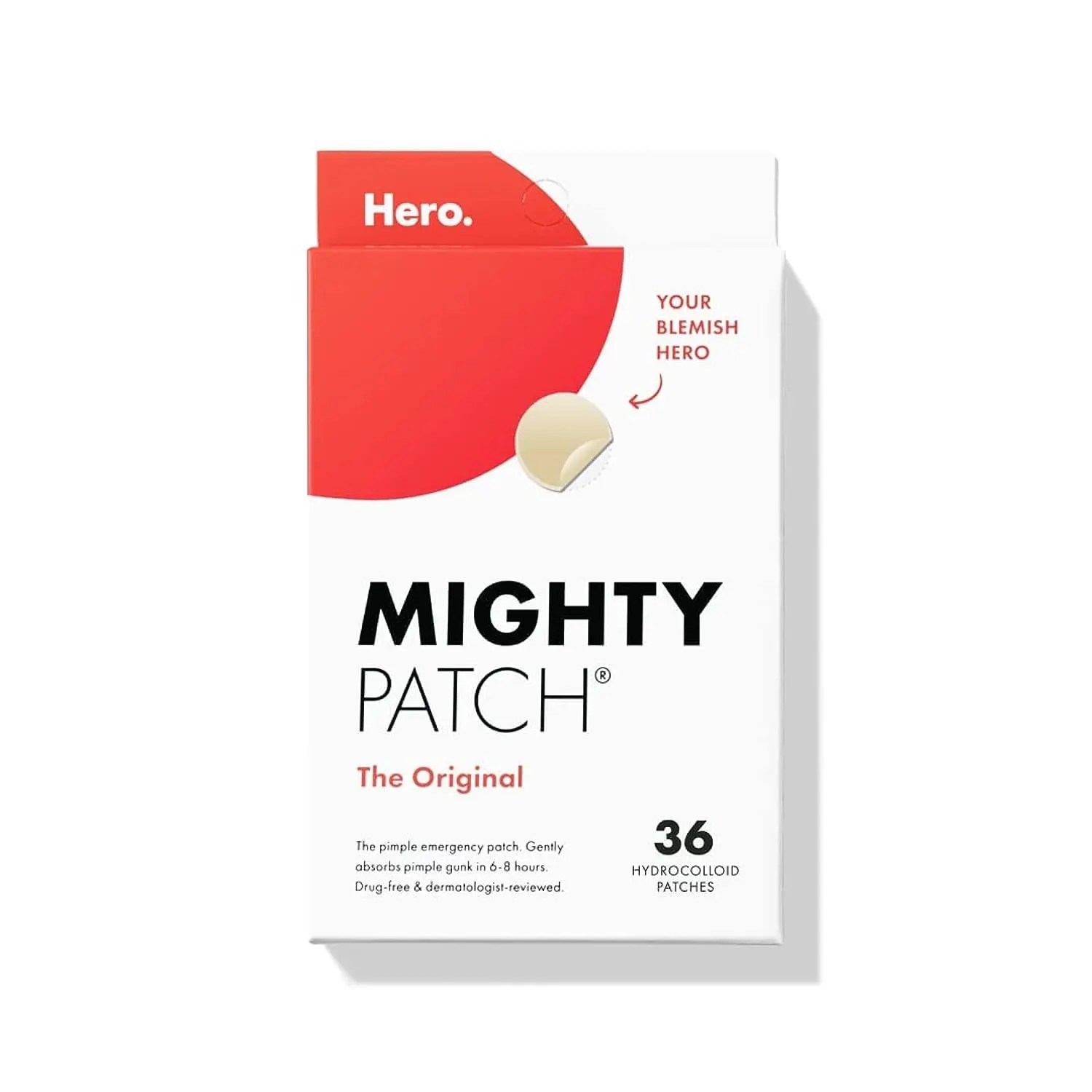
For the overnight acne treatment step, Hero Cosmetics Mighty Patch Original remains the most consistent performer in its category — applied the night before to any surfaced whitehead, removed in the morning, and then followed with SPF as the first morning step. For those using additional actives, The Ordinary Niacinamide 10% + Zinc 1% applied before SPF adds enhanced oil control and hyperpigmentation management at a low per-use cost.
Budget alternative worth noting: CeraVe Mineral Sunscreen SPF 50 is a pure zinc oxide formula at approximately $15 that is fragrance-free and non-comedogenic. It lacks niacinamide and has a thicker texture than EltaMD on some skin types, but as a cost-effective daily driver for users who don’t need the treatment benefits, it earns its place in dermatologists’ recommendations for acne-prone patients.
Frequently Asked Questions
Can I use sunscreen if I have active breakouts?
Does sunscreen cause acne or clog pores?
Can I skip sunscreen if I’m wearing foundation with SPF?
Is mineral sunscreen better for acne than chemical sunscreen?
How do I remove sunscreen properly to avoid clogged pores?
What sunscreen do dermatologists recommend for acne-prone skin?

Which One Is Right for You?
Top Pick — Daily SPF
Bottom line: The dermatologist’s top recommendation for acne-prone and sensitive skin — mineral protection with 5% niacinamide that treats while it protects, in an invisible matte finish that works under makeup.
Best Overnight Acne Patch
Bottom line: Apply overnight before your morning SPF — draws out whitehead fluid through osmotic action, reduces redness, and stops the picking habit that spreads bacteria and worsens hyperpigmentation.
Best Serum Under SPF
Bottom line: The budget-friendly niacinamide serum to layer under any SPF — 10% concentration for enhanced oil regulation and post-acne dark mark fading, at one of the lowest per-drop costs in its category.