Galaxy Z Fold7 vs Pixel 10 Pro Fold: Camera vs Durability
Samsung’s 200MP camera and lighter frame go up against Google’s IP68 durability and Gemini AI — here’s which book-style foldable actually fits how you’ll use it.

How We Researched
Built from each phone’s published spec sheet, GSMArena and Android Authority review findings, aggregated owner feedback, and manufacturer-confirmed pricing. No manufacturer paid for placement here.
* As an Amazon Associate I earn from qualifying purchases. Disclosure
What You’ll Learn
- Which foldable has the sharper, better-reviewed camera
- Why the Pixel’s IP68 rating beats the Fold7’s splash-only IP48
- How real-world battery life compares between the two
- Which phone is lighter and easier to carry daily
- How Samsung’s One UI multitasking stacks up against Google’s Gemini-powered Android
- Whether the price difference is worth it
The Two Foldables Compared
 Best Camera
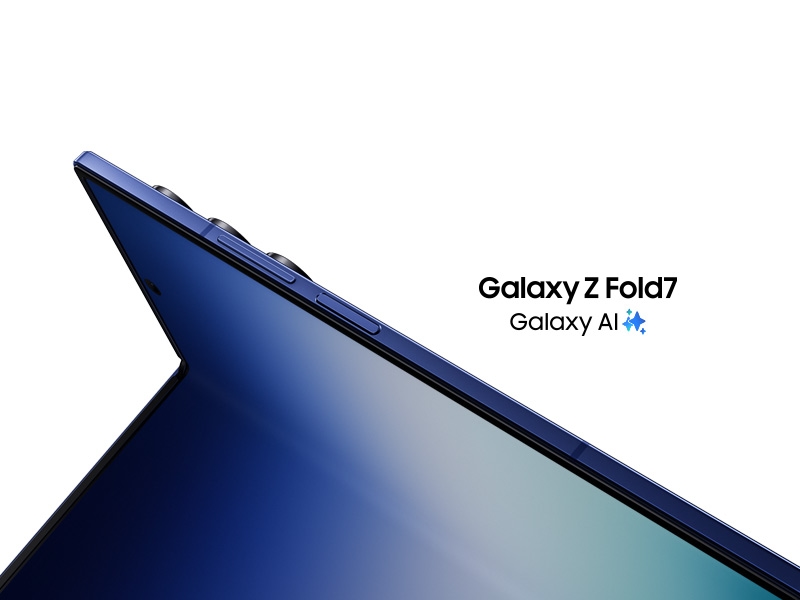
Bottom line: The sharper camera and the lightest, thinnest Z Fold frame Samsung has built — at the cost of only splash-level water resistance.
 Best Durability & Battery
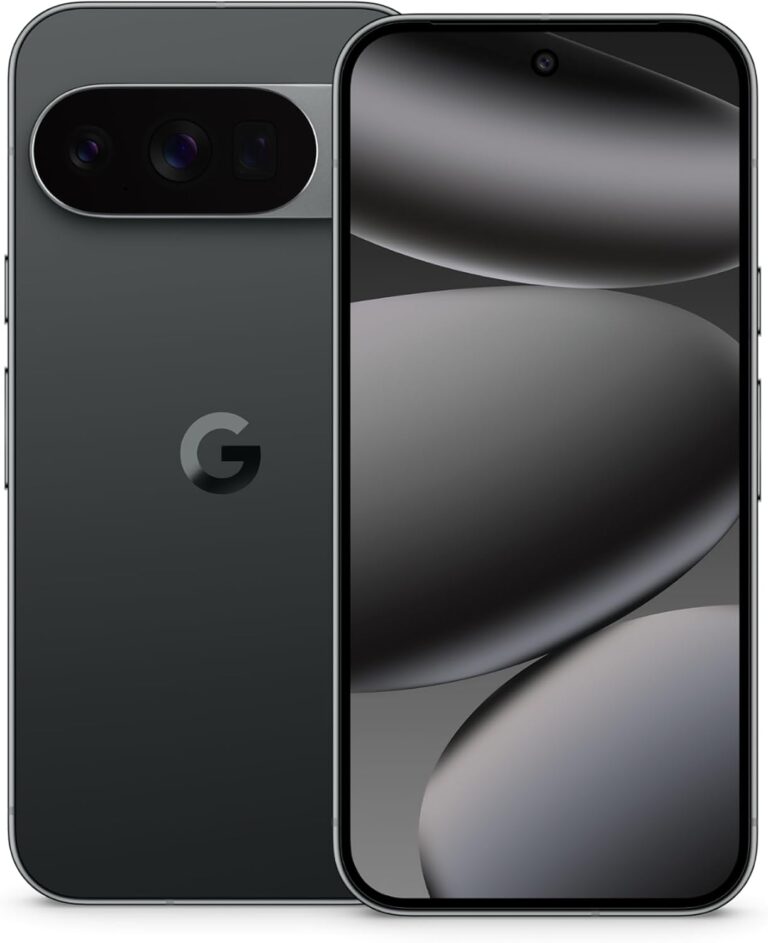
Bottom line: The first fully waterproof foldable, with the biggest battery and Google’s Gemini AI built through the whole interface — the camera is the tradeoff.
Book-style foldables finally have two genuinely strong options at nearly the same price, and picking between the Galaxy Z Fold7 vs Pixel 10 Pro Fold comes down to a handful of real trade-offs rather than a clear best-overall winner. We compared published specs, independent review findings from GSMArena and Android Authority, and aggregated owner feedback to see where each phone actually pulls ahead.
| Spec | Samsung Galaxy Z Fold7 | Google Pixel 10 Pro Fold |
|---|---|---|
| Price (USD) | $1,768.99 | $1,127.44 |
| Price (CAD) | $2,499.99 | $2,399 |
| Main Display | 8.0″ Dynamic AMOLED 2X, 120Hz | 8.0″ Super Actua Flex, 1–120Hz, 3,000 nits peak |
| Cover/Outer Display | 6.5″ AMOLED, 120Hz | 6.4″ cover display |
| Processor | Snapdragon 8 Elite for Galaxy | Google Tensor G5 |
| Rear Camera | 200MP wide, 12MP ultrawide, 10MP 3x telephoto | 48MP wide, 10.5MP ultrawide, 10.8MP 5x telephoto |
| Battery | 4,400mAh, 25W wired | 5,015mAh, 30W wired, 15W Qi2 wireless |
| Water/Dust Rating | IP48 | IP68 |
| Weight | 215g | 258g (9.1 oz) |
| Our Score | 4.2/5 | 3.8/5 |
Camera Quality
The Fold7’s headline upgrade is a 200MP main sensor borrowed from the Galaxy S25 Ultra, replacing the 50MP camera every earlier Z Fold shipped with. It’s the first time Samsung has built a Fold around its best sensor rather than a cut-down version, and the payoff shows most in daylight detail and how much room there is to crop into a shot afterward.
The Pixel 10 Pro Fold pairs a 48MP main sensor with a 10.8MP telephoto that reaches further optically at 5x versus the Fold7’s 3x, plus Super Res Zoom up to 20x digitally. On paper it’s the more versatile setup, but Android Authority and several other outlets note the sensor lineup tracks closer to the standard Pixel 10 than the Pixel 10 Pro line, and rank it behind the Fold7 for overall image quality.
Winner: Samsung Galaxy Z Fold7, for buyers who prioritize photo quality — the 200MP sensor and reviewer consensus put it ahead, even though the Pixel’s telephoto reaches further.
Water & Dust Resistance
The Fold7 carries an IP48 rating, covering splashes and light water contact but stopping well short of full submersion protection — the same rating every Z Fold before it has shipped with.
The Pixel 10 Pro Fold is the first foldable phone to earn an IP68 rating, matching the protection level of a standard non-folding flagship. That closes a durability gap that used to be a real reason to hesitate on the whole category.
Winner: Google Pixel 10 Pro Fold — genuine drop-in-water protection beats splash resistance for anyone who’s ever dropped a phone near a sink or pool.
Battery Life & Charging
The Fold7’s 4,400mAh cell charges at 25W, filling to roughly 50 percent in about 30 minutes but taking closer to 90 minutes for a full charge. Owners who’ve carried it for months describe a full day of mixed cover-screen and main-screen use, though heavier gaming sessions can pull that down to five or six hours of screen time.
The Pixel’s larger 5,015mAh cell charges at a similar 30W wired speed (about 87 minutes for a full charge) plus 15W Qi2 wireless. Reviewers report consistently strong real-world results — roughly 6am to 11pm with 20–30 percent left over mixed Wi-Fi and 5G use.
Winner: Google Pixel 10 Pro Fold — the bigger cell and consistently reported all-day runway edge out the Fold7’s more variable battery life, even with near-identical charging speeds.
Design, Weight & Build
At 215g, the Fold7 is the thinnest and lightest Z Fold Samsung has ever released, built from a new Advanced Armor Aluminum frame with Corning Gorilla Glass Ceramic 2 on the cover display.
The Pixel weighs 258g (9.1 oz), noticeably heavier, built from aerospace-grade aluminum around a new gearless hinge Google rates for more than 10 years of daily folding — a meaningful redesign from the Pixel 9 Pro Fold that reviewers describe as feeling just as sturdy after months of use as it did on day one.
Winner: Samsung Galaxy Z Fold7 for everyday portability — 43g lighter is noticeable in daily pocket carry, even though the Pixel’s hinge carries the stronger long-term durability rating.
Software & AI Features
The Fold7 runs Samsung’s One UI, built around three-window multitasking — email, a chat app, and video all open simultaneously — and Photo Assist for cropping into the Fold7’s high-resolution shots directly on the big internal display.
The Pixel 10 Pro Fold runs stock Android with Gemini built throughout the interface, including Dual Screen Preview and hands-free camera modes Google designed specifically around the fold, rather than a manufacturer skin layered on top.
Winner: Google Pixel 10 Pro Fold for buyers who want Google’s Gemini AI baked into the core experience, though Samsung’s three-window multitasking remains the more mature productivity feature for spreadsheet-and-email power users.
Our Verdict
Pick the Samsung Galaxy Z Fold7 if photo quality and everyday portability matter most — the 200MP camera and 215g frame make it the easier phone to live with day to day, and reviewers consistently rate its image quality ahead of the Pixel’s. Pick the Google Pixel 10 Pro Fold if you want the security of full water resistance and Google’s Gemini AI built into the phone itself, plus a battery that reviewers describe as reliably lasting a full day.
Price is close enough at the 256GB tier ($1,499.99 vs $1,499.00 USD) that it shouldn’t be the deciding factor for most buyers — the real choice is between Samsung’s camera-and-weight advantage and Google’s durability-and-battery advantage.
Buy the Z Fold7 if you want the sharpest photos and the lightest foldable on the market. Buy the Pixel 10 Pro Fold if you want genuine IP68 water resistance and Gemini AI woven through every app.
Read Our Samsung Galaxy Z Fold7 Review → Read Our Samsung Galaxy Z Fold7 Review → Read Our Google Pixel 10 Pro Fold Review → Read Our Google Pixel 10 Pro Fold Review →
Frequently Asked Questions
Which foldable has the better camera?
Is the Pixel 10 Pro Fold’s IP68 rating worth choosing over the Fold7?
Which phone is lighter to carry?
Do both foldables work on Canadian carriers?
Which should I buy if I care most about battery life?