AirPods 5 vs Nothing Ear (3a): No Ear Tips, or More for Less
AirPods 5 for tip-free iPhone listening; Ear (3a) for more quiet on any phone.

As an Amazon Associate I earn from qualifying purchases. Disclosure
primeNew to Amazon? Try Prime free for 30 days — free fast shipping, streaming & more.Start free trial →Buy the AirPods 5 if you use an iPhone and silicone tips bother you: no open-fit earbuds testers have tried cancel noise better. Buy the Nothing Ear (3a) if you want more quiet and battery: their tips seal the ear, and they cut more noise in the same lab test.
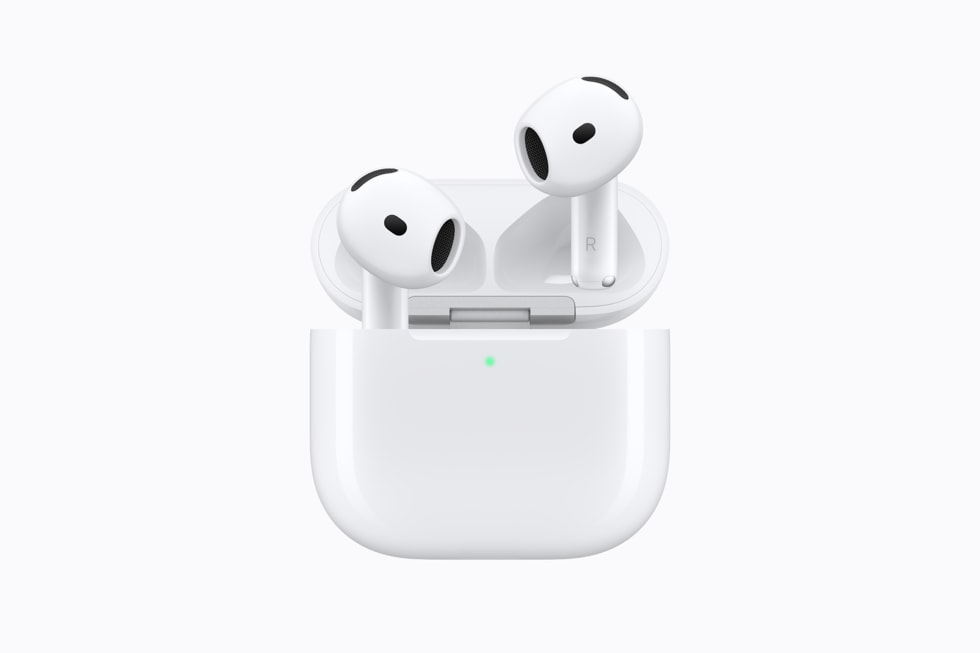 Best for iPhone
For iPhone owners who want noise cancelling without anything sealing the ear canal.
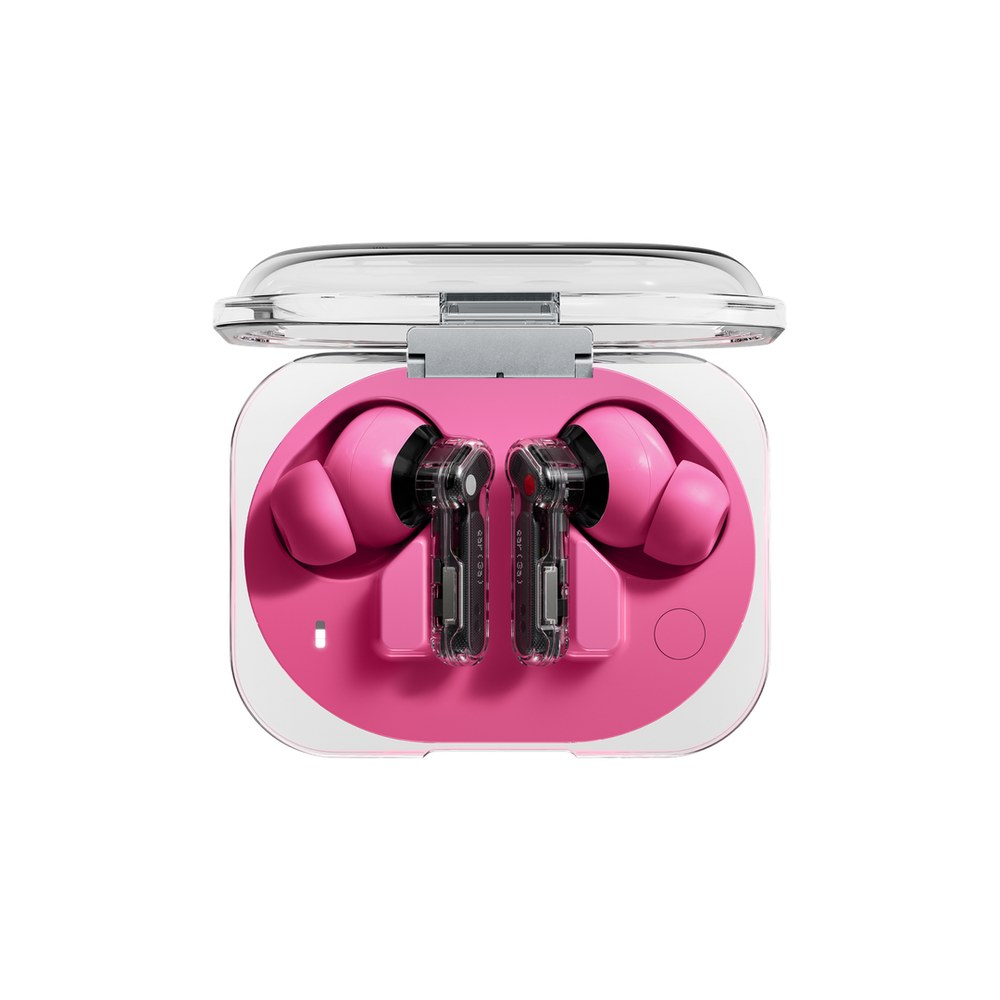 Best for Android
For anyone who wants sealed noise cancelling and a detailed EQ on any phone.
AirPods 5 vs Nothing Ear (3a) is mostly a choice of fit. Apple’s entry earbuds rest in the outer ear with no tips; Nothing’s budget pair seals the ear canal with silicone tips, and most of the other differences follow from that: how much noise each blocks and how they sound. The phone you use decides the rest. Our reviews gave both the same score, so they are listed in the title’s order, not ranked.
How the Picks Compare
| Apple AirPods 5 | Nothing Ear (3a) | |
|---|---|---|
| Price (USD)Price (CAD) | $129.00$174.99 | Deal $79.00 until Nov 2$139.99 |
| Fit | Open fit, no ear tips | Silicone ear tips, four sizes including extra-small |
| Noise reduction (SoundGuys, average drop in perceived loudness) | 59% | 80.9% |
| Noise cancelling (maker’s claim) | Up to 50% more than AirPods 4 with ANC | Up to 45 dB (40-5,000 Hz) |
| Battery, ANC on (maker’s rating) | Up to 4 hours; 20 with the case | Up to 6 hours (4.5 with LDAC); 25 with the case |
| Battery, ANC off (maker’s rating) | Up to 6 hours | Up to 10 hours (6 with LDAC) |
| Dust and water rating | IP57 | IP54 (earbuds and case) |
| Weight per earbud (maker) | 4.3 g | 4.53 g |
| Codecs | AAC | SBC, AAC, LDAC |
| Bluetooth | 5.3 | 6.0 |
| Equalizer | 3-band custom EQ (iOS 27) | 8-band parametric EQ (Nothing X app) |
| Volume on the earbud | No | Optional pinch, set in the app |
| Wireless charging | No (USB-C) | No (USB-C) |
| Defining extras | Live Translation and hands-free Siri AI (Apple Intelligence iPhone) | Call recording and Audio Snapshot (32 MB on the buds) |
| Amazon | View on AmazonView on Amazon | View on AmazonView on Amazon |
What They Have in Common
Each is its maker’s entry pair: the AirPods 5 are Apple’s entry-level earbuds, and the Ear (3a) sit below Nothing’s flagship Ear (3). Both have active noise cancelling and a Transparency mode for hearing the room. Both are controlled by squeezing the stem rather than tapping the bud, and both charge over USB-C only, with no wireless charging on these models. A five-minute top-up gives about an hour of listening on either (Nothing’s figure is with cancelling off). The sections below cover where they differ.
Ear Tips or No Ear Tips: Which Fit Suits You?
The AirPods 5 have no tips at all. Each bud rests in the outer ear, which is the whole appeal for people who find silicone tips sore or dislike the plugged-up feeling of a seal; Tom’s Guide recommends them to exactly those buyers. The flip side is that the fit can’t be adjusted. SoundGuys found that how the buds sit in your ears shapes the cancelling, the sound and how long you can wear them. Some testers didn’t trust them on runs, though Tom’s Guide’s fitness editor ran 22 miles in them and came away impressed, though they held less firmly than dedicated running earbuds.
The Ear (3a) come with four sizes of silicone tips, now including an extra-small, so most ears can find a seal. Testers found them comfortable, and BGR’s stayed put through workouts, though Expert Reviews still found a few rivals more secure. Durability favours Apple: the AirPods are rated IP57, which Engadget explains means surviving full submersion to 1 meter for up to 30 minutes, while the Ear (3a)’s IP54 covers dust, sweat and rain, for the case as well as the buds.
Pick the AirPods 5 if silicone tips make your ears ache and you’d rather feel nothing sealing them.
Which Blocks More Noise?
The Ear (3a), and the seal is the reason. SoundGuys’ lab scores how much quieter outside noise seems with the cancelling on, and the Ear (3a) averaged 80.9% against the AirPods 5’s 59%. Sealed buds are simply a different class: SoundGuys rates the AirPods the best open-ear cancelling it has tested, and says their number undersells them in daily use.
Both let higher-pitched sounds and nearby voices through; the difference is the low end. SoundGuys measured the AirPods’ cancelling struggling below 500 Hz, the range of car engines and airplane rumble, though it still found them solid on car rides, T3 was impressed by how much general rumble they removed, and on flights in the Wireless Charging Case version, which has the same cancelling, Gizmodo found the jet engines mostly drowned out while BGR heard them throughout. The Ear (3a) are better at the low end: rumble from trains, plane cabins and fans is dulled, while chatter and sharp sounds such as train screeches still get through.
Pick the Nothing Ear (3a) if you want as much engine drone as possible cut on a bus, train or plane.
Do You Use an iPhone or an Android Phone?
The AirPods 5 are built around the iPhone. There’s no app; their settings appear in iOS Settings, and on Android most of the extra features don’t work. Live Translation and hands-free Siri AI need an iPhone with Apple Intelligence. They stream over Apple’s AAC codec only, with no aptX or LDAC, so an Android phone gets no codec advantage, and SoundGuys found switching between non-Apple devices a bit of a pain.
The Ear (3a) treat both platforms evenly. The Nothing X app runs on iOS and Android, the buds stay connected to two devices at once on Android, Windows or iOS, and Android phones get Google Fast Pair. LDAC is the Android extra: using it on an Android device, Expert Reviews could pick out more subtle details and heard slightly better instrument separation. The extra Nothing adds is recording: a pinch of both stems saves a clip of what you’re hearing or records a call, stored on the buds.
Pick the Nothing Ear (3a) if you use an Android phone, or move between a phone and a Windows laptop.
Which Lasts Longer on a Charge?
The Ear (3a). Nothing rates them at up to 6 hours with cancelling on and 10 with it off, over AAC; Apple rates the AirPods 5 at up to 4 hours and 6 hours. Switching the Ear (3a) to LDAC cuts their rating to 4.5 hours with cancelling on, about the AirPods’ level. The cases follow the same pattern, at up to 25 hours in all for the Ear (3a) and 20 for the AirPods with cancelling on.
Nothing’s no-cancelling rating held up: SoundGuys’ four tests with cancelling off each ended at almost exactly 10 hours. With cancelling on, TechRadar, listening on a Sony phone that streams LDAC and often above half volume, got about 4.5 hours, closer to the AirPods’ 4. No review we read had run the standard AirPods 5 down yet, so Apple’s rating is all there is for that model. A commute or a few calls fit easily on either; a long flight without breaks for the case is where the AirPods’ shorter charge shows.
Pick the Nothing Ear (3a) if you often listen for more than a few hours at a stretch.
Which Sounds Better Out of the Box?
The AirPods 5 sound fuller than open earbuds usually do, with more bass weight than the style tends to manage. Their EQ is basic: since iOS 27 it adjusts lows, mids and highs, and Trusted Reviews found the option buried in Settings and its changes minimal.
The Ear (3a) are tuned for bass. Gizmodo liked the default sound and SoundGuys’ panel model predicts most listeners will enjoy it, though TechRadar recommends tweaking it because it’s “overly bassy by default”. The eight-band parametric EQ in the Nothing X app is the fix, and with the low end pulled down BGR heard a warm midrange and crisp treble. You can also load tunings other users have shared.
Even: decide on whether you want a fuller-than-usual open sound with a basic EQ, or a bassier sound you can reshape in a detailed one.
Consider Instead
Neither pair is the one for long flights or for making a noisy room go quiet. The AirPods Pro 3 seal the ear with tips, Apple rates their cancelling at up to three times the AirPods 5’s, and they’re rated for up to 8 hours with cancelling on; BGR, for one, doesn’t expect the Ear (3a) to beat them. They also add heart-rate sensing during workouts. They cost well more than either pair here. Read our AirPods Pro 3 reviewRead our AirPods Pro 3 review, or see how they compare in our AirPods Pro 3 vs AirPods 5AirPods Pro 3 vs AirPods 5 comparison.
Which Earbuds Should You Buy?
Both are good buys, and the fit decides it. The AirPods 5 are the pair for iPhone owners who can’t get on with ear tips: their Transparency mode sounds natural, they’re the tougher of the two against water, and their cancelling is as good as tip-free earbuds get. The Nothing Ear (3a) give more for less: stronger cancelling where engine noise lives, LDAC, two-device pairing that works across Android, Windows and iOS, and an EQ that can make them sound the way you like on any phone.
Which to buy
Buy the AirPods 5 if you use an iPhone and want no ear tips.
Buy the Ear (3a) if you want more quiet and a longer charge.
How We Compared
We compared the two on what splits buyers choosing between them: fit, noise cancelling, which phone you use, battery life and sound. The facts come from our reviews of both pairs and the research behind them: Apple’s and Nothing’s specifications, and independent reviews from SoundGuys, Tom’s Guide, Trusted Reviews, Engadget, Gizmodo, BGR, T3, TechRadar and Expert Reviews. The noise-reduction row uses one tester’s results for both pairs; the battery rows are the makers’ ratings. We also weighed the AirPods Pro 3, named above for buyers who want the most quiet. We haven’t tested either pair ourselves. Our reviews scored them the same, so they’re listed in the title’s order.
Frequently Asked Questions
Do the Nothing Ear (3a) work well with an iPhone?
Is the AirPods 5 with Wireless Charging Case worth the extra?
Can the Nothing Ear (3a) record phone calls?
Which pair is better for phone calls?
Can you wear the AirPods 5 just to quiet a room, with nothing playing?
Sources
- Apple – AirPods 5 Technical Specifications
- Apple Newsroom – Apple introduces AirPods 5 with best-in-class open-ear Active Noise Cancellation
- Apple – AirPods Compare Models
- Apple Canada – Buy AirPods 5
- Nothing – Ear (3a) product page and specifications
- SoundGuys – We tested the AirPods 5, and the fit makes or breaks the entire experience
- SoundGuys – Nothing Ear (3a) review
- SoundGuys – Nothing Ear (3a) launch and specifications
- Tom’s Guide – Apple AirPods 5 review
- Trusted Reviews – Apple AirPods 5 review
- Engadget – Apple AirPods 5 review
- Gizmodo – AirPods 5 review
- BGR – AirPods 5 review
- T3 – Apple AirPods 5 review
- TechRadar – Nothing Ear (3a) review
- Expert Reviews – Nothing Ear (3a) review
- BGR – Nothing Ear (3a) review
- Gizmodo – Nothing Ear 3a review
- GSMArena – Nothing Ear (3a) unveiled
- Android Authority – Nothing Ear (3a) launch
- WhistleOut – Nothing Ear 3a review
Reader Poll
What matters most in your next pair of earbuds?
Help Our Editors Know What Matters to You
Explore on Amazon →