Best Air Purifier for Home 2026: HEPA Picks for Every Room
Three HEPA purifiers across three budgets, scored on filtration, room coverage, noise, and what they cost to run. After reading you will know which one fits your room and your wallet.

How We Researched
We compared three of the most-recommended home air purifiers, spanning roughly $100 to $190, using manufacturer specifications, independent lab data from HouseFresh and RTINGS.com, and aggregated owner feedback. AI-assisted secondary research and writing. No paid placement — badges and scores reflect editorial judgment only.
* As an Amazon Associate I earn from qualifying purchases. Disclosure
What You’ll Learn
- Coway AP-1512HH — the best all-round pick for a living room
- Winix 5510 — near-Coway coverage with Wi-Fi and a sensor for less
- Levoit Core 300 — quiet, genuine H13 HEPA for one room under $100
- What True HEPA, H13, and CADR actually mean for clean air
- How to match coverage, noise, and running cost to your room
Picking the best air purifier for home use comes down to three numbers most product pages bury: the grade of HEPA filter, the CADR (how fast it actually cleans the air), and the honest room-size rating. We lined up three popular HEPA models — the Coway AP-1512HH, the Winix 5510, and the Levoit Core 300 — and ranked them by who each one truly fits, so you can match a unit to your room instead of overpaying for coverage you will never use. All three filter to True HEPA standard; CADR and honest coverage are what separate a small-room unit from a living-room one.
1. Coway AP-1512HH Mighty — Best Overall
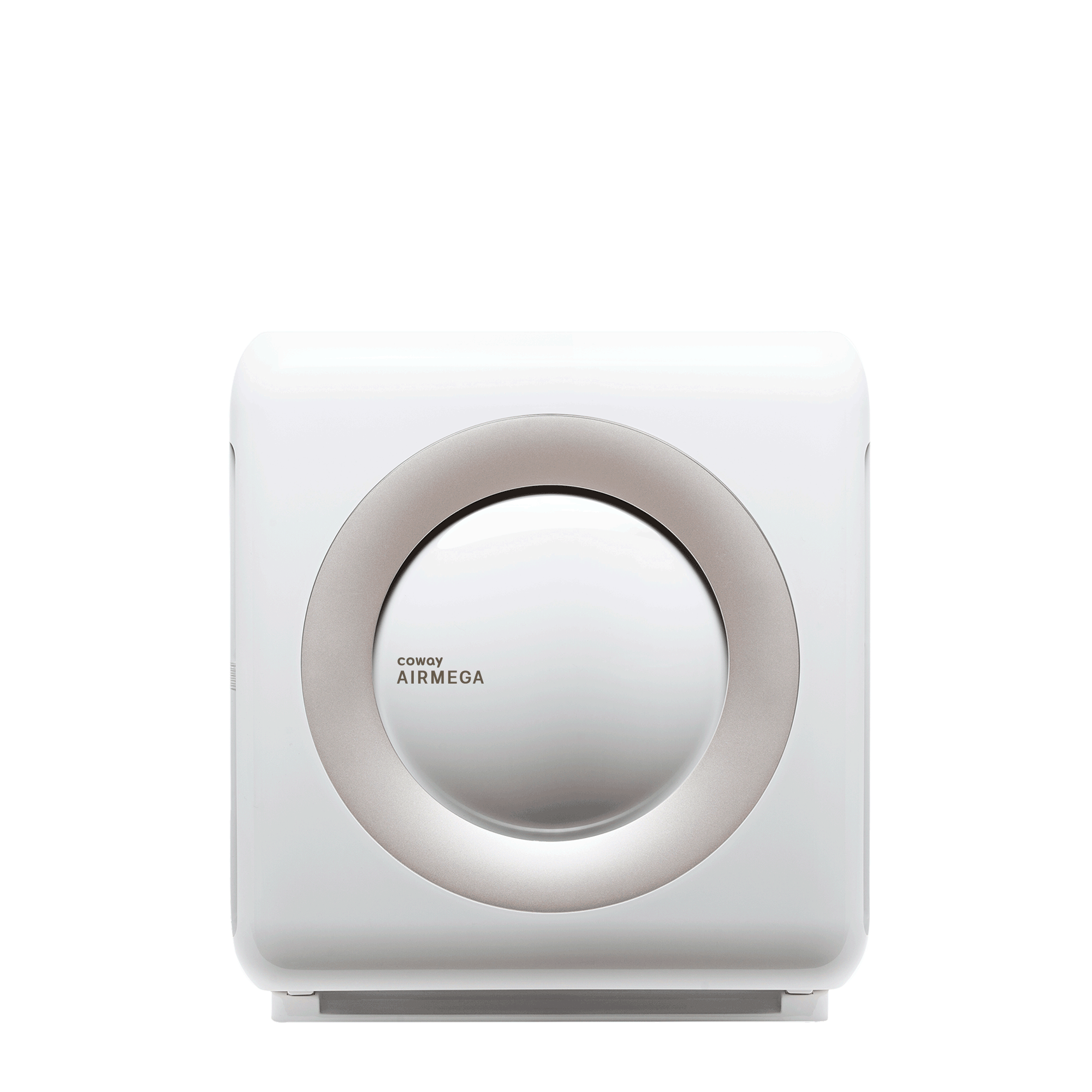
The Coway pairs a True HEPA filter with an activated-carbon layer for odors and pushes roughly 246 CFM of dust CADR in HouseFresh and RTINGS.com lab measurements — the highest here. That translates to an honest 361 sq ft of coverage at the four-to-five air changes per hour that actually keep allergens down, so it works in a living room or a combined living-dining space, not just a bedroom. A real particle sensor with auto mode ramps the fan up when you cook or vacuum and idles it down afterward, so you are not managing it by hand.
It is also quiet where it counts: about 24 dB on its lowest setting, close to a whisper, so it can run overnight in a bedroom too. A washable pre-filter extends the life of the main HEPA and carbon layers, trimming long-term filter cost. If you only need to clean one small room, you can spend less — but for a main living space the Coway is the unit that does everything well.
Best for: households that want one capable purifier for a living room or large bedroom, with a sensor and auto mode handling the work.
2. Winix 5510 — Best Smart Value
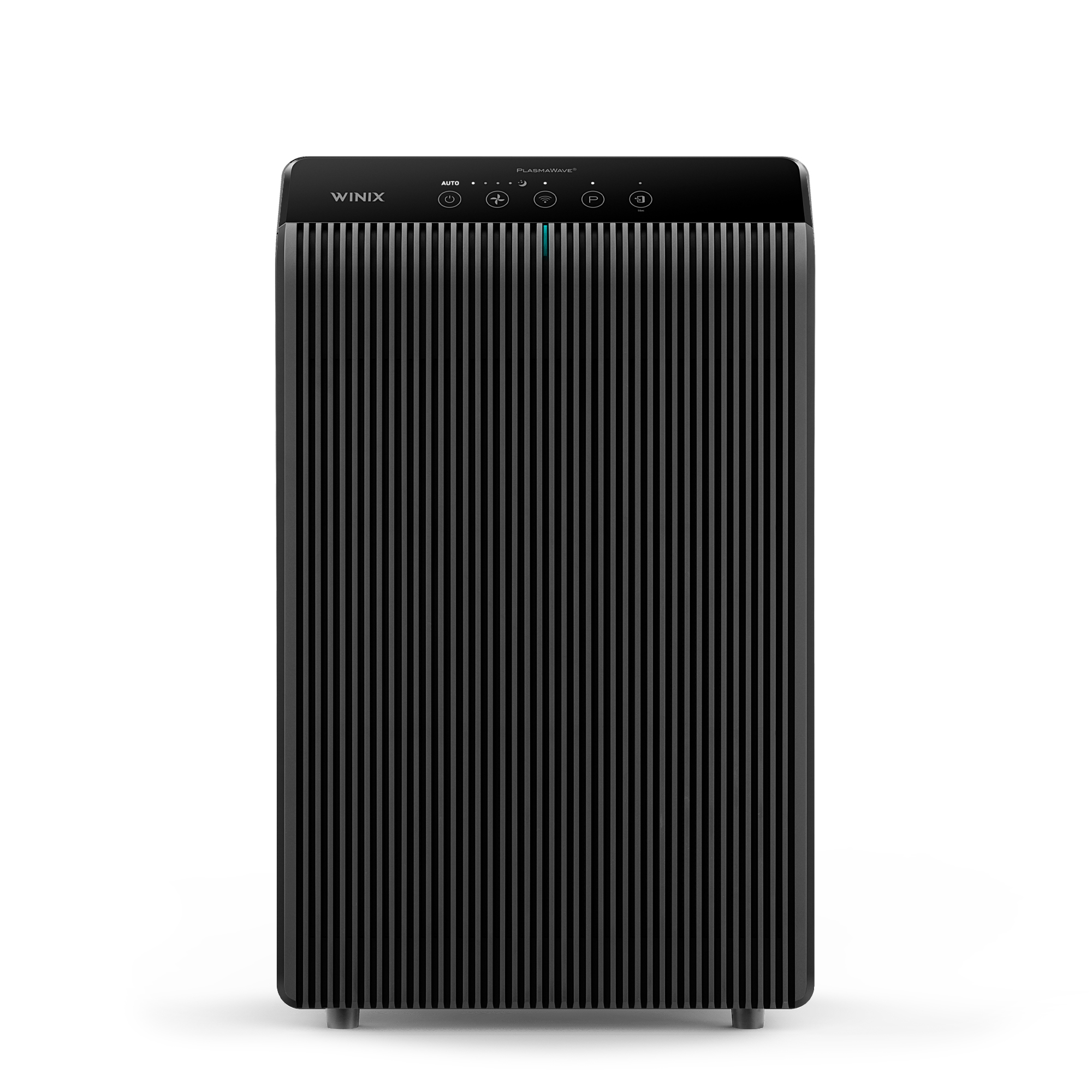
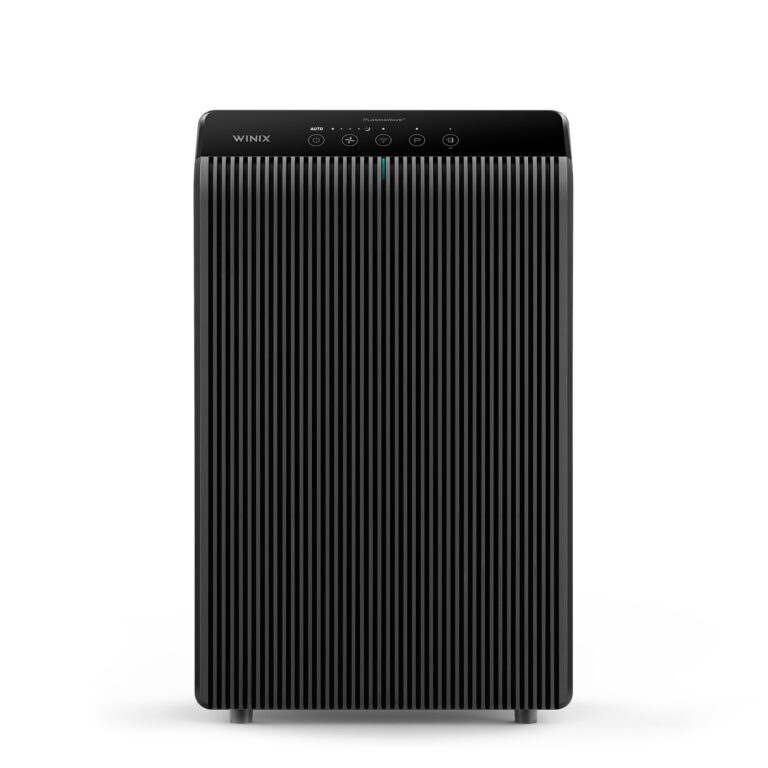
The Winix gives up almost nothing to the Coway on the specs that matter — about 360 sq ft of effective coverage and roughly 243 CFM of dust CADR — while adding the most smart features of the three. On top of True HEPA and carbon it layers Winix’s PlasmaWave, and it includes an air-quality sensor, auto mode, and Wi-Fi app control, so you can monitor and schedule it from your phone. For less money than the Coway, that makes it the value pick if smart features are on your list.
The trade-offs are minor: its sleep speed sits a touch louder at around 27 dB, and app control is more convenience than necessity. In a busy living space with cooking, pets, and foot traffic, the sensor and auto mode earn their keep; in a set-and-forget bedroom you would rarely touch them.
Best for: buyers who want app control and a real sensor for an active living space without paying the top-pick price.
3. Levoit Core 300 — Best Budget
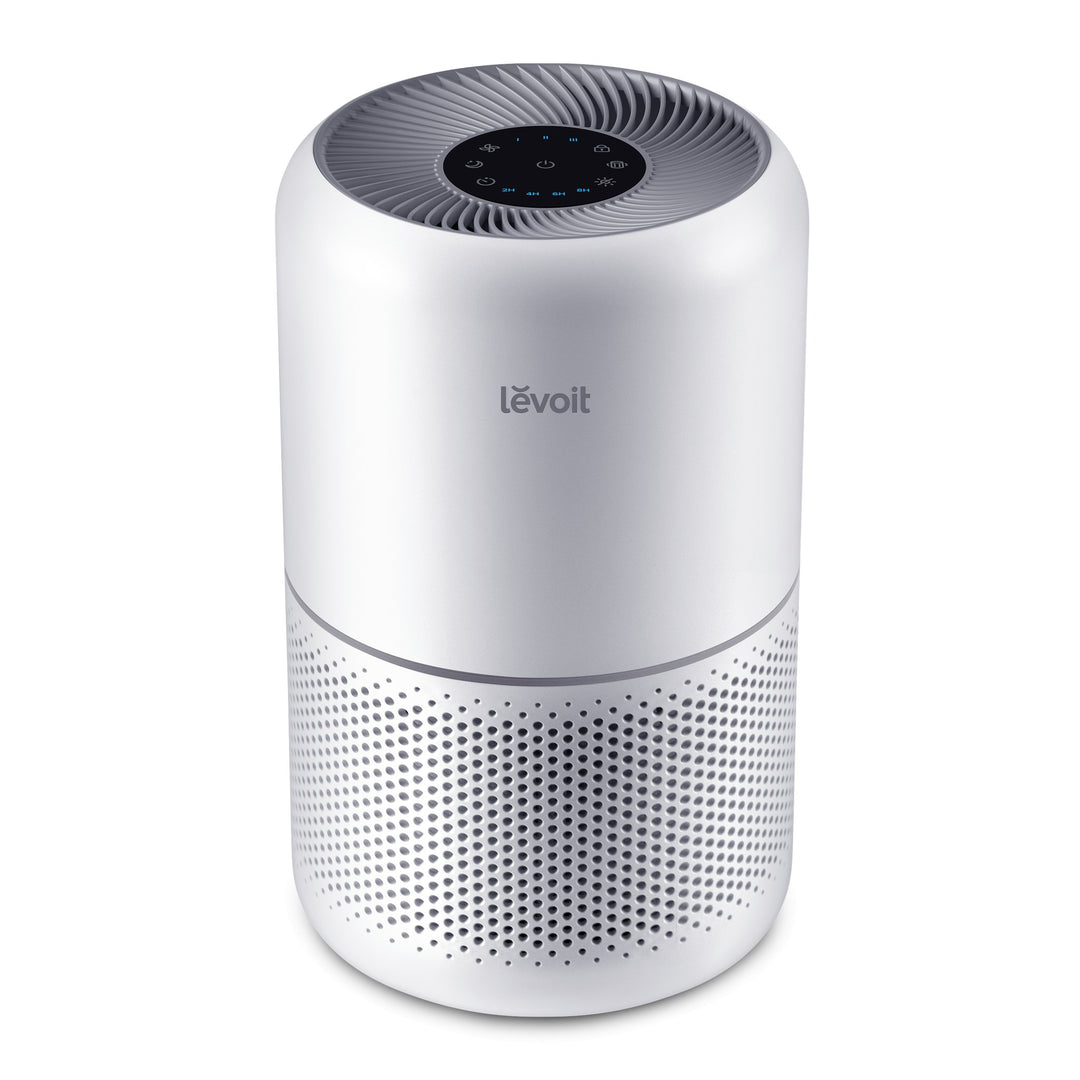
The Core 300 is the one to buy when you need genuine HEPA for a single room and want to spend under $100. It uses an H13 True HEPA element — a tighter medical-grade rating than standard True HEPA — with an activated-carbon layer, and runs near-silent at about 24 dB on sleep mode with its panel lights off. Its roughly 141 CFM dust CADR covers an honest 219 sq ft, which is exactly right for a bedroom, nursery, or office.
It deliberately skips the sensor and Wi-Fi the others have, which is part of how it stays cheap and quiet. Its filter runs about $25 every six to eight months, keeping lifetime cost the lowest of the three for light, single-room use. Put it in an open-plan space over 250 sq ft and it will run on turbo and still lag — that is where the Coway or Winix belong instead.
Best for: a bedroom, nursery, or office where quiet, genuine HEPA, and a low price matter more than smart features.
Quick Comparison
| Coway AP-1512HH | Winix 5510 | Levoit Core 300 | |
|---|---|---|---|
| Price (USD) | $154.99 | $128.24 | $99.99 |
| Price (CAD) | $201 | $199.99 | $149.99 |
| Recommended coverage | 361 sq ft | 360 sq ft | 219 sq ft |
| Dust CADR | ~246 CFM | ~243 CFM | ~141 CFM |
| Filtration | True HEPA + carbon | True HEPA + carbon + PlasmaWave | H13 HEPA + carbon |
| Min noise | ~24 dB | ~27 dB | 24 dB |
| Air-quality sensor | Yes | Yes + Wi-Fi app | No |
| Our Score | 4.6/5 | 4.2/5 | 4.3/5 |
The Final Word
If you buy one purifier and want it to handle the whole living room without a second thought, make it the Coway AP-1512HH — it cleans fast, runs quiet, and lets its sensor do the thinking. Want the same reach plus an app to fiddle with from the couch? The Winix 5510 gets you there for less. And if all you need is clean, quiet air over one bed at night, the little Levoit Core 300 punches well above its under-$100 price. Match the unit to the room and any of the three will earn its keep for years.
Browse all Home & Garden reviews →Home & Garden reviews → for more tested picks.
Frequently Asked Questions
Which air purifier is best for a whole-home setup?
Do I need an H13 filter, or is standard True HEPA enough?
How often will I replace the filter, and what does it cost?
Is a smart air purifier with Wi-Fi worth it?
Can one of these run safely overnight in a bedroom?